
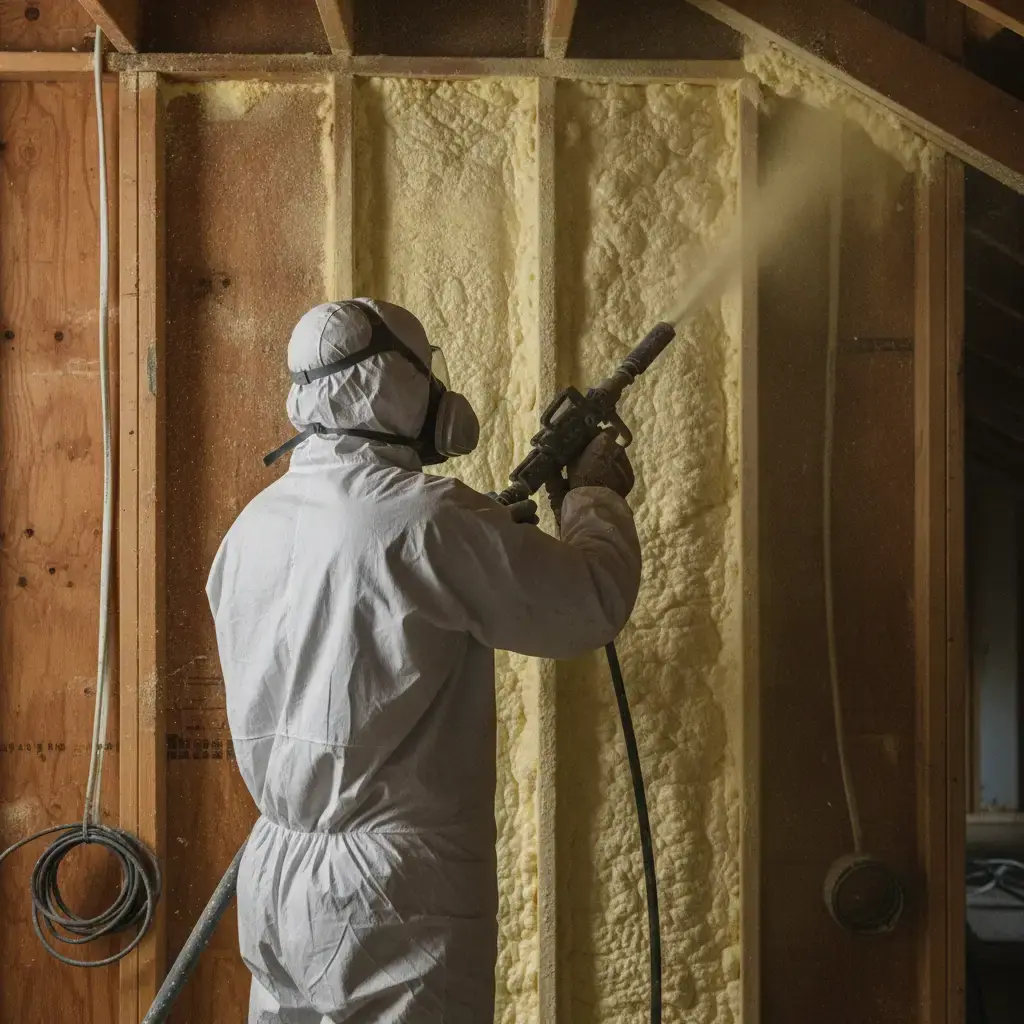
Spray Foam Attic Insulation in San Diego, CA
Energy-Saving Spray Foam Attic Insulation for San Diego, CA Homes — Licensed & Insured
Get expert spray foam attic insulation in San Diego, CA. Clean Air Attic serves Chula Vista, Coronado, La Mesa & more. Call (858) 360-6973 for a free estimate.
Spray foam attic insulation is one of the most effective thermal and air-sealing solutions available for San Diego homeowners. This advanced material expands upon application to fill gaps, seal air leaks, and create a continuous insulation barrier that traditional batts simply cannot match. For a city like San Diego — where coastal marine layer, canyon winds from the Santa Ana corridor, and dramatically shifting overnight temperatures create year-round energy challenges — spray foam delivers performance that directly translates to lower utility bills and improved indoor comfort.
At Clean Air Attic Insulation, we specialize in professional spray foam attic insulation installations tailored specifically to San Diego’s unique climate zones, building stock, and energy code requirements. Whether your home sits near the coast in Coronado, in an inland canyon neighborhood like Bonita, or on the southern border in San Ysidro, our team brings local knowledge and hands-on expertise to every project. Call us today at (858) 360-6973 to schedule your free attic assessment.
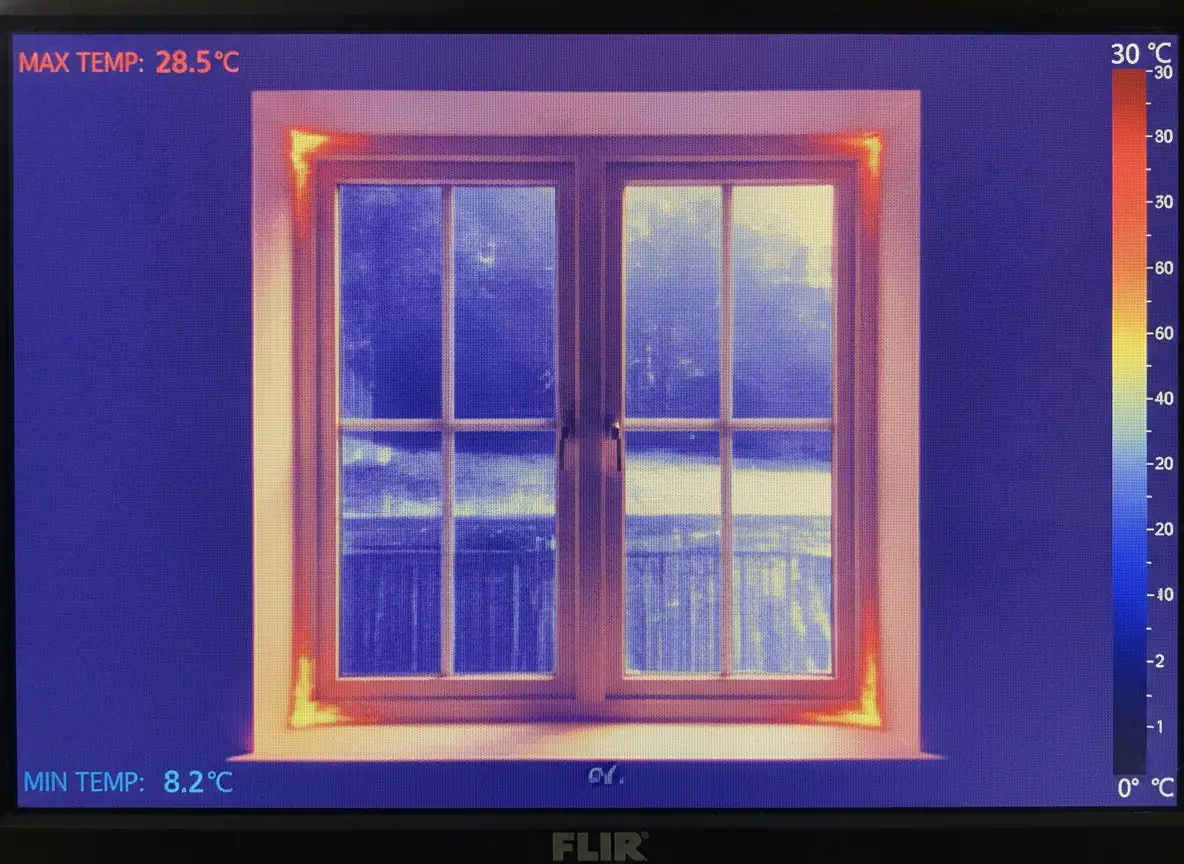
Understanding Spray Foam Attic Insulation
Spray foam insulation is a two-component polymer system — typically a blend of isocyanate and polyol resin — that combines at the tip of a spray gun and expands rapidly into a rigid or semi-rigid foam. When applied in an attic space, it adheres to roof decking, rafters, joists, and framing, creating an unbroken thermal envelope that dramatically reduces heat transfer and air infiltration simultaneously. Unlike fiberglass batts or blown-in cellulose, spray foam does not simply slow heat movement — it stops air movement as well, which accounts for up to 40% of a home’s energy loss.
There are two primary types used in attic applications. Open-cell spray foam, with an R-value of approximately 3.5 per inch, is lighter, more flexible, and ideal for interior attic surfaces where some vapor permeability is acceptable. Closed-cell spray foam, with an R-value of 6.0 to 7.0 per inch, is denser, acts as a vapor retarder, and provides structural rigidity — making it the preferred choice for roof decks, coastal homes exposed to salt air, and older San Diego structures with minimal existing insulation.
Read moreShow less
Historically, San Diego homes built before the 1970s were constructed before California’s Title 24 Energy Code existed. These properties — many of which populate neighborhoods like National City, Lemon Grove, and older sections of Chula Vista — relied on natural ventilation rather than insulation systems. As energy costs rose through the 1980s and 1990s, many homeowners added fiberglass batts, but these installations often left significant air gaps. Today, spray foam retrofit applications address those legacy shortcomings in a single installation visit.
San Diego County’s Mediterranean climate (Köppen classification Csb to Csa depending on proximity to the coast) creates a deceptive insulation challenge. Because temperatures rarely reach extreme cold, many residents underestimate heat gain through an uninsulated or under-insulated attic roof deck, where summer surface temperatures can exceed 150°F on dark shingles during inland San Diego afternoons. Spray foam addresses radiant heat transfer that fiberglass insulation alone cannot adequately combat.
Why Spray Foam Attic Insulation Is Needed in San Diego, CA
The Marine Layer and Coastal Humidity
San Diego’s famous June Gloom — the marine layer that blankets coastal neighborhoods like Coronado, Imperial Beach, and Nestor from May through July — introduces persistent elevated humidity into attic spaces. Relative humidity levels along the coast regularly reach 85% to 95% during morning hours. In attics insulated only with fiberglass batts, this moisture infiltrates the insulation matrix, reducing its R-value by as much as 30% and encouraging mold growth on roof sheathing. Closed-cell spray foam, by contrast, acts as a Class II vapor retarder, blocking moisture intrusion and maintaining its rated R-value regardless of ambient humidity.
Santa Ana Wind Events and Thermal Shock
San Diego experiences Santa Ana wind events typically between October and March, with notable events recorded in October 2007 (the Witch Creek and Harris fires), December 2017, and as recently as January 2021. During these events, inland temperatures can spike 20°F to 30°F within hours while relative humidity drops below 10%. This rapid thermal cycling stresses building envelopes and forces HVAC systems to work overtime. An attic without proper insulation acts as a heat reservoir that dumps thermal energy directly into the living space below. Spray foam’s air-sealing properties prevent the pressure-driven infiltration of superheated air that occurs when Santa Ana winds create positive pressure on the windward side of structures.
Inland Temperature Extremes in Eastern Neighborhoods
While coastal San Diego remains mild, neighborhoods further inland tell a different story. La Mesa, Spring Valley, La Presa, and Bonita regularly record summer highs between 95°F and 105°F, with attic temperatures reaching 140°F to 160°F under standard composition shingle roofing. Without closed-cell spray foam applied directly to the roof deck, that heat radiates downward through the ceiling all afternoon and into the evening, forcing air conditioners to run continuously. SDG&E (San Diego Gas & Electric) data consistently shows that inadequately insulated homes in these inland ZIP codes spend 25% to 40% more on cooling costs than comparably sized homes with spray foam attic systems.
Aging Housing Stock and Air Sealing Deficiencies
Significant portions of National City, San Ysidro, Lemon Grove, and older sections of Chula Vista consist of post-World War II tract homes built between 1945 and 1965. These structures were constructed with minimal insulation requirements and contain numerous penetrations — plumbing chases, electrical knob-and-tube remnants, recessed lighting boxes, and attic hatch gaps — that collectively create an air leakage rate often exceeding 10 air changes per hour. Spray foam insulation seals these penetrations during installation, delivering both thermal performance and fire-stop benefits in a single application.
Title 24 Compliance Requirements
California’s Title 24 Energy Standards, updated most recently in 2022, require minimum attic insulation levels of R-38 in San Diego’s Climate Zone 7 (coastal) and R-49 in Climate Zone 10 (inland valleys). Spray foam systems can achieve these values with significantly less installed thickness than blown-in products, preserving valuable attic storage space while meeting or exceeding code requirements for permitted remodels and additions.
Free, no-obligation estimates
Talk to Clean Air Attic Insulation
Tell us what you need and we’ll take it from there.
Signs You Need Spray Foam Attic Insulation in San Diego
Energy and Comfort Indicators
- SDG&E monthly bills consistently higher than neighbors with similar square footage
- Upper-floor rooms that remain 5°F to 10°F warmer than ground-floor spaces in summer
- HVAC system running continuously during Santa Ana wind events without reaching set temperature
- Noticeable drafts near ceiling light fixtures, attic hatches, or ceiling fans
Visual and Structural Indicators
- Existing attic insulation compressed, discolored, or showing visible moisture staining
- Daylight visible through roof eave gaps when inside the attic
- Mold or dark staining on attic sheathing boards or rafters
- Ice-like salt crystallization on metal HVAC components in coastal attic spaces (sign of chronic humidity exposure)
- Insulation blown out of position around recessed lights or fan housings
Urgency Indicators
- Active moisture intrusion or condensation pooling on attic floor during marine layer season
- Musty odors in second-floor rooms, indicating mold development in attic insulation system
- Home was built before 1978 and attic insulation has never been professionally inspected or replaced
Spray Foam Methods and Approaches We Use
Closed-Cell Spray Foam (2 lb Density)
Our most specified product for San Diego attics, closed-cell foam achieves R-6.5 per inch and provides a Class II vapor retarder at 2 inches thickness. It is the standard recommendation for coastal neighborhoods — Coronado, Imperial Beach, Nestor, and Otay Mesa West — where marine layer humidity demands maximum moisture control. It also adds measurable structural rigidity to roof decking, which benefits older homes in National City and San Ysidro with aging plywood sheathing. Typical installed thickness ranges from 3 to 5.5 inches depending on target R-value.
Open-Cell Spray Foam (0.5 lb Density)
Open-cell foam at R-3.7 per inch is an economical choice for inland attics in La Mesa, Spring Valley, Bonita, and La Presa where vapor drive is less aggressive. It excels at sound dampening — a benefit for homes near the SR-125 corridor and Chula Vista’s busier arterials — and provides excellent coverage in irregular rafter bays typical of 1950s and 1960s construction.
Hybrid Spray Foam System
For homes where budget and performance must both be optimized, we apply a 2-inch closed-cell base coat directly to the roof deck for vapor control and structural benefit, followed by open-cell fill to achieve total target R-value. This approach is particularly effective in Bonita, Spring Valley, and Lemon Grove homes that fall in Climate Zone 10.
Spray Foam Air Sealing with Blown-In Topdress
For vented attic configurations where building code or budget does not support a full spray foam encapsulation, we use spray foam exclusively for air sealing at penetrations, top plates, and hatch perimeters, then complete insulation with blow-in insulation to achieve code-required R-values. This hybrid method is popular in Palm City and Egger Highlands neighborhoods.
Spray Foam Attic Insulation Cost in San Diego, CA
Understanding spray foam attic insulation cost in San Diego helps homeowners plan and compare bids accurately. Pricing varies based on product type, attic square footage, existing conditions, and access difficulty.
Typical Price Ranges
- Open-cell spray foam: $1.00 to $1.50 per board foot installed (one square foot, one inch thick). A 1,500 square foot attic insulated to R-30 (approximately 8 inches) typically ranges from $3,500 to $5,500.
- Closed-cell spray foam: $1.75 to $3.00 per board foot installed. A 1,500 square foot attic insulated to R-38 (approximately 5.5 to 6 inches) typically ranges from $6,000 to $9,500.
- Hybrid system (2 inches closed-cell + open-cell fill to R-38): Typically $5,000 to $7,500 for a 1,500 square foot attic.
Read moreShow less
Factors That Affect Your San Diego Spray Foam Cost
- Attic access: Homes in Otay Mesa and San Ysidro with low-pitch roofs or restricted hatch openings require additional labor time.
- Existing insulation removal: If old, contaminated, or rodent-damaged insulation must be removed first, add $1.00 to $2.00 per square foot for insulation removal and replacement.
- Attic size and configuration: Irregular framing common in pre-1960 National City and Lemon Grove homes increases material usage and labor time.
- SDG&E energy rebates: Qualifying San Diego homeowners may be eligible for California Energy Commission and SDG&E rebate programs that offset 10% to 20% of installed cost.
Contact us at (858) 360-6973 for a no-obligation on-site estimate specific to your home’s configuration.
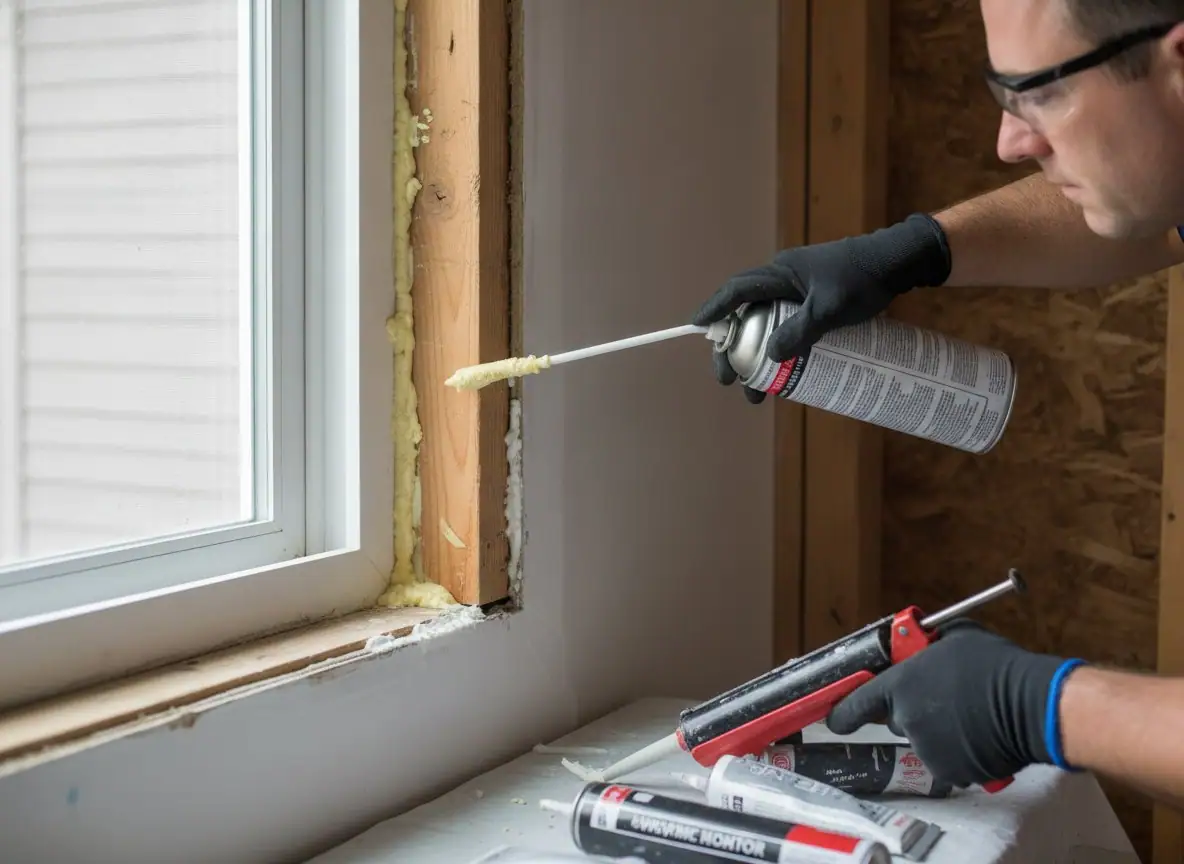
Spray Foam Attic Insulation Neighborhoods We Serve
Chula Vista and Bonita
Chula Vista’s housing stock spans from 1950s post-war ranches near Third Avenue to 2000s master-planned communities in eastern Otay Ranch. Older Chula Vista homes frequently have inadequate attic insulation and significant air leakage at top plates. Bonita’s canyon-adjacent custom homes benefit from closed-cell foam’s ability to resist the pressure differentials created by canyon drainage winds that funnel through the Sweetwater River valley.
National City and Lemon Grove
These communities contain dense concentrations of pre-1960 homes with original attic conditions — compressed fiberglass, knob-and-tube wiring remnants, and uninsulated knee walls. Spray foam is particularly valuable here for its ability to encapsulate and thermally isolate irregular framing configurations while simultaneously air-sealing decades-old penetrations. Attic insulation services in these neighborhoods often begin with full removal of legacy materials.
Coronado and Imperial Beach
San Diego’s coastal peninsula communities face the most aggressive moisture challenges in the county. Closed-cell spray foam is effectively the only appropriate choice for these attic environments, providing vapor control that prevents the chronic moisture-related roof sheathing deterioration common in homes built during Coronado’s mid-century development boom between 1940 and 1965.
Spring Valley and La Mesa
Situated in Climate Zone 10, these inland communities experience the county’s most extreme cooling loads. Spray foam applied to the roof deck in a conditioned attic configuration — bringing HVAC ducts inside the thermal envelope — dramatically reduces duct losses that SDG&E estimates account for 20% to 30% of cooling costs in these ZIP codes.
Maintenance Tips for Spray Foam Attic Insulation in San Diego
- Annual visual inspection: Check attic hatch seals and the perimeter of the spray foam application each spring after the marine layer season begins, looking for any separation or shrinkage at framing interfaces.
- Monitor for pest intrusion: San Diego’s mild climate supports year-round rodent activity. Inspect foam surfaces for gnaw marks or burrow channels, particularly in Bonita and Spring Valley where rat activity is highest near canyon interfaces.
- Protect from UV exposure: Spray foam must be covered if any portion of the attic receives direct sunlight through roof vents or skylights. UV degradation begins within weeks of exposure — apply a thermal barrier coating if needed.
- Keep attic hatch weatherstripped: Re-apply attic hatch weatherstripping every 2 to 3 years to maintain the air seal created during installation.
- Clear soffit vents annually: In vented attic configurations, ensure soffit vents remain unobstructed, particularly after Santa Ana wind events that deposit debris along eave lines.
- Check HVAC duct connections: In conditioned attic configurations, inspect duct connections at air handlers annually to ensure no gaps have developed that could compromise the thermal envelope.
- Document installation thickness: Keep your installation report on file for Title 24 compliance documentation and future home sale disclosures required under California law.
Why Choose Clean Air Attic Insulation for Spray Foam in San Diego
At Clean Air Attic Insulation, we focus exclusively on attic and crawl space systems — meaning every technician on your project has deep, specific knowledge of San Diego’s climate zones, building stock, and Title 24 energy requirements. We do not subcontract our spray foam work. Every installation is performed by our trained, in-house applicators using commercial-grade equipment calibrated for San Diego’s temperature and humidity conditions.
We serve the full spectrum of San Diego County communities, from the coastal neighborhoods of Coronado and Imperial Beach to the inland communities of Spring Valley, La Mesa, and Bonita. Our familiarity with the distinct challenges of each micro-climate — marine layer humidity, Santa Ana wind pressure, inland heat loading — means we specify the right product for your specific location, not a one-size-fits-all recommendation.
Read moreShow less
We also offer a complete range of complementary services including crawl space encapsulation, crawl space insulation, and insulation replacement, allowing homeowners to address their entire building envelope through a single trusted contractor. Call us at (858) 360-6973 to speak with a local specialist today.
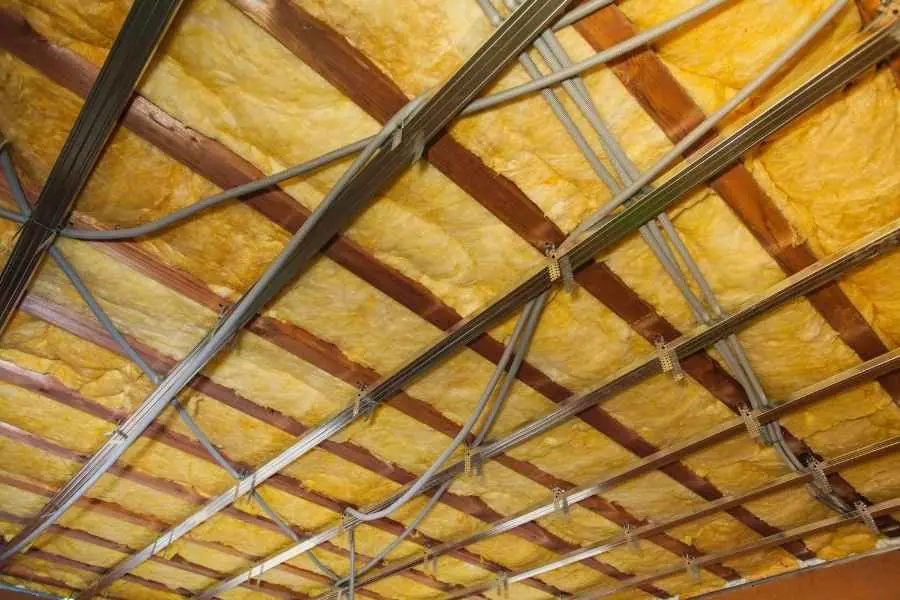
FAQ
Frequently Asked Questions About Spray Foam Attic Insulation in San Diego
How much does spray foam attic insulation cost in San Diego?
Costs typically range from $3,500 to $9,500 for a standard 1,200 to 1,800 square foot San Diego home attic, depending on whether open-cell or closed-cell foam is used and whether existing insulation removal is required. Closed-cell systems for coastal homes in Coronado or Imperial Beach run toward the higher end of this range. SDG&E rebate programs may offset 10% to 20% of your total project cost. Contact us for a free on-site estimate at (858) 360-6973.
How long does spray foam attic insulation installation take in San Diego?
For most San Diego single-family homes, the spray foam application itself takes 2 to 5 hours on installation day. The full project — including assessment, preparation, application, and next-day quality verification — spans 2 days. Attics requiring prior insulation removal may add a half-day. We schedule installations to avoid the coolest morning hours in winter when attic temperatures can drop below the 50°F minimum application threshold.
Is spray foam better than blown-in insulation for San Diego homes?
Spray foam provides superior air sealing and moisture resistance compared to blown-in cellulose or fiberglass — making it particularly valuable for San Diego’s coastal humidity zones and Santa Ana wind events. However, blown-in insulation in a vented attic configuration combined with spray foam air sealing is a cost-effective hybrid solution for many inland homes. Our team assesses each home individually to recommend the optimal approach. Learn more about our blow-in insulation services.
Will spray foam insulation help reduce my SDG&E bill?
Yes, measurably. SDG&E data and California Energy Commission studies indicate that properly installed spray foam attic systems reduce cooling and heating energy consumption by 20% to 40% in San Diego County homes. Inland homes in La Mesa, Spring Valley, and Bonita — where summer cooling loads are highest — typically see the fastest payback periods of 4 to 7 years based on current SDG&E rates.
Can spray foam be applied over existing insulation in my San Diego attic?
In most cases, existing insulation should be removed before spray foam application to allow proper adhesion to the roof deck or framing and to eliminate any moisture-compromised or pest-damaged material. Our insulation removal services include full vacuum extraction and responsible disposal. In some vented attic configurations where existing floor-level insulation is in good condition, spray foam air sealing at top plates and penetrations can be applied without disturbing the floor insulation.
Do I need a permit for spray foam attic insulation in San Diego?
In most cases, residential spray foam insulation installed as part of a like-for-like replacement does not require a building permit in San Diego’s incorporated city limits or in unincorporated county areas. However, if the installation is connected to a larger permitted remodel, addition, or HVAC replacement, Title 24 insulation documentation may be required. We provide all necessary compliance documentation with every installation.
Is spray foam safe for my family after installation?
Once fully cured — within 24 hours of application — spray foam is inert and poses no health concerns. During and immediately after application, the attic space must remain unoccupied and the home should be ventilated. We schedule all San Diego installations to allow full overnight curing before homeowner attic re-access. We use low-VOC formulations appropriate for occupied residential structures.
Do you serve areas outside central San Diego?
Yes. We serve the full South Bay and greater San Diego area including San Ysidro, Otay Mesa, Egger Highlands, Palm City, Nestor, Bonita, Chula Vista, Coronado, Imperial Beach, La Mesa, La Presa, Lemon Grove, National City, and Spring Valley. Wherever your home is located in San Diego County, our team brings the same local expertise and quality installation standards.
Get Your Free Spray Foam Attic Insulation Estimate in San Diego Today
Do not let another San Diego summer or Santa Ana wind season drain energy through an underperforming attic. Clean Air Attic Insulation is ready to assess your home, recommend the right spray foam system for your specific neighborhood and climate zone, and deliver a professional installation that meets California Title 24 requirements and reduces your SDG&E bills for years to come.
Call us now at (858) 360-6973 to speak directly with a San Diego spray foam specialist and schedule your free, no-obligation attic assessment. We serve San Ysidro, Chula Vista, Coronado, Bonita, National City, La Mesa, Spring Valley, Imperial Beach, and all surrounding South Bay communities. Your more comfortable, energy-efficient home starts with one call.
Get in touch
Find insulation help near you
Request a free estimate online or give us a call — our team will follow up quickly.
- Call us(858) 360-6973
- Visit10140 Marconi Dr, San Diego, CA 92154
- HoursMon-Sun 07:00-19:00