
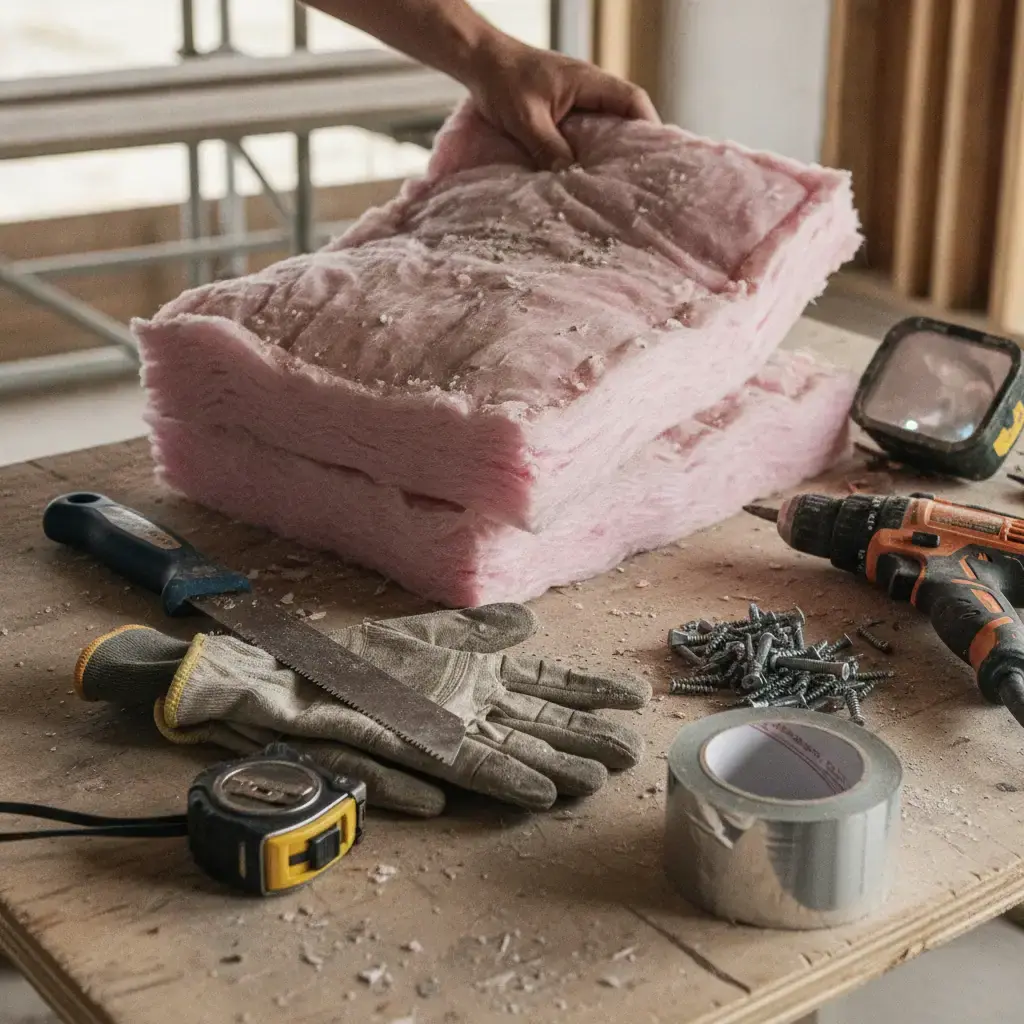
Open Cell Spray Foam Insulation in San Diego, CA
Energy-Saving Open Cell Spray Foam Insulation for San Diego, CA Homes — Licensed & Insured
Get expert open cell spray foam insulation in San Diego, CA. Clean Air Attic Insulation serves Chula Vista, La Mesa & all SD County. Call (858) 360-6973 for a free estimate.
Open cell spray foam insulation is a cutting-edge insulation solution that expands on contact to fill every gap, crack, and cavity in your home’s walls, attic, and crawl spaces. Unlike traditional batt insulation, open cell spray foam creates a continuous air barrier that dramatically reduces energy loss and improves indoor comfort year-round.
In San Diego, where coastal marine layers, canyon breezes, and microclimatic temperature swings create unique thermal challenges, open cell spray foam is an increasingly popular choice for homeowners seeking lasting energy efficiency. From the hillside homes of Spring Valley to the older craftsman bungalows in National City, this technology adapts to a wide range of building types common across the region.
Read moreShow less
At Clean Air Attic Insulation, our team brings deep local knowledge and hands-on installation expertise to every project in San Diego County. We understand the specific climate conditions, building codes, and construction styles that define homes throughout this region — and we tailor every installation accordingly. Call us today at (858) 360-6973 to schedule your free assessment.
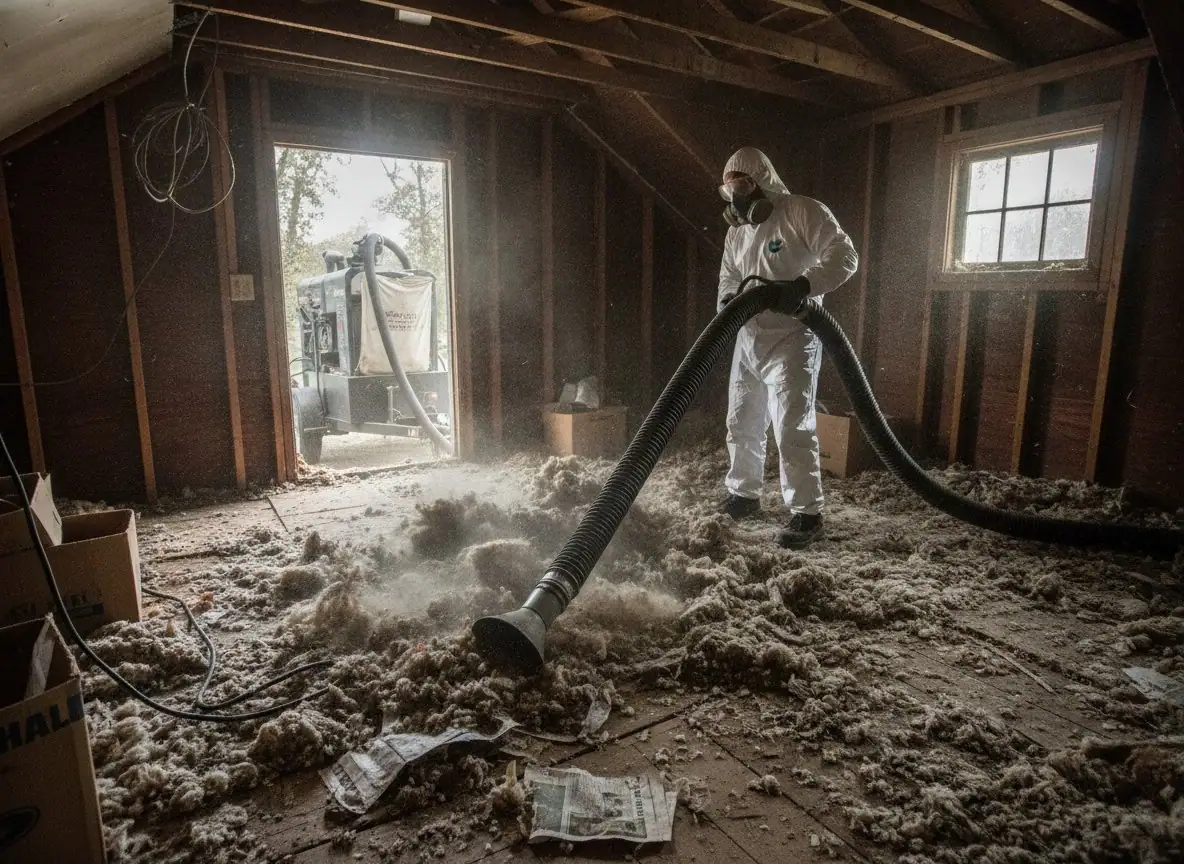
Understanding Open Cell Spray Foam Insulation
Open cell spray foam insulation is a two-component polyurethane foam that, when mixed and applied, expands dramatically — up to 100 times its original volume — to fill the space it occupies. The “open cell” designation refers to the microscopic structure of the cured foam: tiny bubbles that are not fully encapsulated, giving the material a soft, sponge-like texture and excellent sound-dampening properties.
The technology traces its roots to the mid-20th century aerospace industry, where spray-applied polyurethane foams were used to insulate fuel tanks and reduce vibration in aircraft. By the 1970s and 1980s, commercial and residential construction industries began adapting the technology. Open cell variants became widely adopted through the 1990s and 2000s as energy codes tightened and homeowners demanded more effective alternatives to fiberglass batts.
Read moreShow less
Open cell spray foam achieves an R-value of approximately R-3.5 to R-3.8 per inch, which is lower than its closed cell counterpart but still significantly more effective than traditional fiberglass batts at R-2.2 per inch, largely because spray foam eliminates air infiltration entirely rather than simply slowing heat transfer. When applied at standard thicknesses of 3.5 to 5.5 inches in wall cavities, open cell foam achieves total air sealing that dramatically reduces heating and cooling loads.
In San Diego’s diverse housing stock — which ranges from mid-century ranch homes in La Mesa and Lemon Grove to newer stucco tract developments in Chula Vista and Otay Mesa — open cell spray foam is particularly valuable because it can be retrofitted into existing structures without extensive demolition. It is also vapor-permeable, meaning it allows walls to breathe slightly, which is an important characteristic in coastal San Diego neighborhoods where moisture management is critical.
Beyond thermal performance, open cell foam excels at acoustic insulation. For homeowners near Interstate 805, State Route 54, or the flight paths serving Naval Air Station North Island in Coronado, the sound-dampening qualities of open cell foam represent a meaningful quality-of-life improvement alongside the energy benefits.
Why Open Cell Spray Foam Insulation Is Needed in San Diego
The Marine Layer and Coastal Moisture
San Diego’s famous “June Gloom” — the marine stratus layer that blankets coastal and inland neighborhoods from May through July each year — creates persistently elevated humidity levels that can penetrate poorly insulated building envelopes. In neighborhoods like Nestor, Imperial Beach, and Coronado, homes sit within a mile of the Pacific Ocean and experience relative humidity levels that regularly exceed 80% during nighttime and early morning hours. Traditional fiberglass insulation absorbs this moisture, loses R-value, and becomes a breeding ground for mold. Open cell spray foam, while vapor-permeable, does not absorb or retain liquid water and maintains its insulating properties even in humid coastal conditions.
Microclimatic Temperature Swings
What makes San Diego’s climate particularly demanding is the dramatic temperature variation across short distances. The coastal strip of Imperial Beach and Coronado may sit at 68°F on a summer afternoon while Bonita and Spring Valley, just 8 to 12 miles inland, reach 92°F or higher during Santa Ana wind events. These hot, dry Santa Ana conditions — which typically arrive in September through November but have been recorded in every month of the year — drive temperatures in canyon-adjacent neighborhoods like Otay Mesa and Egger Highlands well above 100°F. Without robust air sealing, conditioned air escapes rapidly, and cooling systems work overtime. Open cell spray foam’s comprehensive air barrier directly addresses this challenge.
Aging Housing Stock and Building Envelope Failures
A large portion of San Diego’s residential housing was built between 1945 and 1980, during an era when energy efficiency was not a primary design consideration. Homes in National City, La Mesa, Lemon Grove, and La Presa were frequently constructed with minimal wall insulation — often just 1.5 to 2 inches of fiberglass batts — and no attic air sealing whatsoever. Over decades, wood framing shrinks and settles, creating gaps around electrical boxes, plumbing penetrations, and top plates where conditioned air freely escapes. A 2019 California Energy Commission study found that homes built before 1978 in San Diego County had average air leakage rates three to four times higher than homes built to post-2008 Title 24 standards. Open cell spray foam directly addresses these accumulated gaps.
Wildfire Smoke and Air Quality Events
San Diego County has experienced major wildfire events in 2003 (Cedar Fire), 2007 (Witch Creek and Harris Fires), and 2020 (Valley Fire), as well as numerous smaller fires driven by Santa Ana wind conditions. During these events, fine particulate matter infiltrates poorly sealed homes through the same gaps that allow conditioned air to escape. Open cell spray foam creates an air barrier that meaningfully reduces smoke infiltration, protecting occupants in communities like Bonita, Spring Valley, and Chula Vista that sit adjacent to fire-prone open space corridors.
San Diego’s New Title 24 Energy Standards
California’s Title 24 Building Energy Efficiency Standards, updated most recently in 2022, set increasingly stringent requirements for residential insulation and air leakage. San Diego homes undergoing significant renovation or additions are now required to meet standards that often cannot be achieved with traditional insulation alone. Open cell spray foam is one of the most straightforward ways to meet or exceed these requirements while also improving occupant comfort.
Free, no-obligation estimates
Talk to Clean Air Attic Insulation
Tell us what you need and we’ll take it from there.
Signs You Need Open Cell Spray Foam Insulation in San Diego
Energy and Comfort Indicators
- Monthly SDG&E electricity bills exceeding $200 during summer months, even with a modern HVAC system
- Rooms that feel noticeably hotter or cooler than others, particularly second-floor bedrooms or rooms adjacent to garage walls
- Air conditioning running continuously during inland heat events without achieving the set temperature
- Drafts near electrical outlets, light switches, or window frames even when windows are fully closed
Moisture and Air Quality Indicators
- Visible condensation on interior walls or ceilings during coastal fog season between May and August
- Musty odors in attic spaces, particularly in homes near the San Diego Bay or ocean-facing slopes
- Smoke or outdoor odors penetrating your home during Santa Ana wind or wildfire events
- Visible daylight or outdoor light entering through attic eaves or wall penetrations
Structural and Age-Related Indicators
- Home was built before 1980 and has never had insulation upgraded or replaced
- Recent roof replacement that exposed the attic deck and revealed little or no existing insulation
- Pest activity such as rodents or insects entering through wall or attic gaps that indicate significant penetrations in the building envelope
If you recognize two or more of these signs, your home is likely losing significant conditioned air and money every month. The urgency increases substantially if you live in Otay Mesa, Bonita, or Spring Valley, where summer heat exposure is most severe.
Our process
Our Open Cell Spray Foam Installation Process in San Diego
Clean Air Attic Insulation follows a structured, multi-step process designed specifically for San Diego’s climate conditions and local building requirements. Every installation begins and ends with a thorough inspection so you know exactly what was done and why.
- 01
Free Home Assessment (1–2 Hours)
Our technician visits your property to evaluate existing insulation levels, identify air leakage points, assess moisture conditions, and document the specific challenges of your home’s construction type. We use thermal imaging cameras to detect hidden air leak
- 02
Customized Project Proposal (24–48 Hours)
Based on the assessment, we prepare a detailed written proposal specifying application areas, foam thickness, estimated R-values, and projected energy savings. We align recommendations with California Title 24 requirements applicable to your specific project t
- 03
Pre-Installation Preparation (2–4 Hours on Installation Day)
Our crew protects all surfaces not receiving foam using masking, plastic sheeting, and drop cloths. Existing compromised insulation that would interfere with foam adhesion is removed. Electrical fixtures, junction boxes, and HVAC components are masked per manu
- 04
Spray Foam Application (3–8 Hours Depending on Scope)
Two-component polyurethane foam is mixed at the spray gun and applied in controlled lifts — typically 2 to 3 inches per pass — to prevent overheating during curing. In San Diego’s warmer inland climates such as Bonita and Spring Valley, our technicians account
- 05
Curing and Off-Gassing Period (24 Hours)
Open cell foam reaches tack-free condition within minutes but requires approximately 24 hours to fully cure and off-gas. We provide clear guidance on re-occupancy timing in compliance with California OSHA and product safety guidelines. During this period, the
- 06
Quality Inspection and Trim (1–2 Hours)
After curing, our team inspects all application areas for uniform coverage, adequate thickness, and proper adhesion. Any overspray or uneven sections are trimmed to achieve a clean, professional result ready for drywall or finish materials.
- 07
Final Walkthrough and Documentation
We walk every client through the completed installation, explain what was done and where, and provide documentation suitable for insurance records, future home sales, or permit files with local San Diego or Chula Vista building departments.
Methods and Approaches We Use
Open Cell Spray Foam for Attics
In San Diego attics — which can reach temperatures of 140°F or higher during Santa Ana wind events in communities like Otay Mesa and Egger Highlands — open cell spray foam is applied directly to the underside of the roof deck to create an unvented conditioned attic. This approach brings HVAC ducts inside the conditioned envelope, often reducing duct-related energy losses by 20 to 30%. This method is ideal for homes with HVAC equipment in the attic, which is extremely common in San Diego’s post-1970s tract construction.
Open Cell Spray Foam for Wall Cavities
For walls during renovation or new construction, open cell foam is injected or sprayed into open stud bays before drywall is applied. This delivers superior air sealing compared to batt insulation and is particularly effective in homes near major roadways such as I-805 or SR-125 in Spring Valley and La Mesa, where sound attenuation is as important as thermal performance.
Open Cell Spray Foam for Crawl Spaces
Homes in older San Diego neighborhoods including La Presa, Lemon Grove, and parts of National City often feature raised foundation crawl spaces. Open cell foam applied to the underside of the floor deck above the crawl space eliminates cold floors and prevents moisture-laden coastal air from migrating upward into living spaces. This is frequently combined with crawl space encapsulation for comprehensive moisture control.
Open Cell Foam as Part of Hybrid Insulation Systems
In some applications, particularly attics with complex geometry or existing blow-in insulation, we combine open cell spray foam for air sealing at penetrations and perimeters with blown-in cellulose or fiberglass for the main insulation field. This hybrid approach delivers excellent performance at an optimized cost point.
Open Cell Spray Foam Insulation Cost in San Diego
Understanding open cell spray foam insulation costs helps San Diego homeowners plan their projects accurately. Pricing depends on several variables specific to each home and location.
Typical Price Ranges
- Open cell spray foam material and labor: $1.00 to $1.50 per board foot (one square foot at one inch thickness)
- Average attic insulation project (1,200–1,800 sq ft attic floor): $3,500 to $7,500
- Crawl space floor insulation (800–1,200 sq ft): $2,200 to $4,800
- Full wall cavity insulation during renovation: $4,500 to $10,000 depending on home size
Factors That Affect Your San Diego Project Cost
- Access difficulty: Attics in older La Mesa or Lemon Grove bungalows with low pitch rooflines cost more to insulate than standard-access attics in Chula Vista tract homes
- Existing insulation removal: If damaged or contaminated insulation must be removed first, expect to add $1,000 to $3,500 for insulation removal depending on scope
- Application thickness: California Title 24 often requires minimum R-19 in walls and R-38 in attics, which affects total foam thickness and material cost
- Coastal premium: Homes within the coastal zone in Imperial Beach, Coronado, or Nestor may require additional moisture assessment steps that add modest cost
Read moreShow less
Cost vs. Long-Term Savings
San Diego homeowners typically see SDG&E energy bill reductions of 20 to 35% following comprehensive open cell spray foam installation. At average San Diego electricity rates of $0.38 per kWh (as of 2024), a home spending $300 per month on cooling and heating can expect to save $720 to $1,260 annually, producing payback periods of 4 to 7 years in most cases.
Call (858) 360-6973 for a free, no-obligation estimate specific to your home.
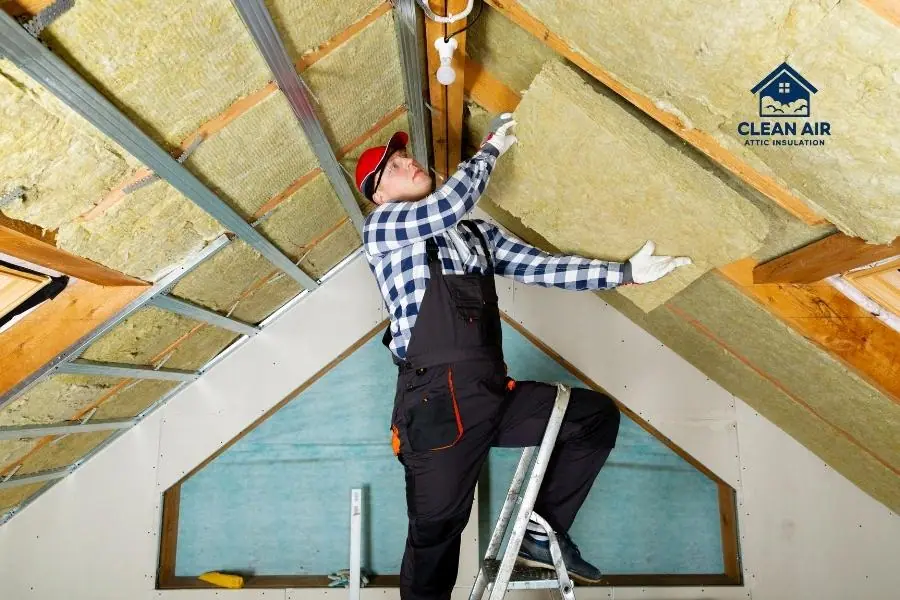
San Diego Neighborhoods We Serve
Chula Vista and Otay Mesa
Much of Chula Vista and Otay Mesa consists of stucco-clad homes built between 1985 and 2005, many of which have inadequate attic insulation and duct systems exposed to extreme attic heat. We regularly service these communities and understand their specific tract-home construction patterns.
National City and Lemon Grove
These communities feature significant numbers of pre-1960 wood-frame homes with original insulation — or no insulation at all. Crawl space applications and attic air sealing are especially common project types here. We also service nearby La Mesa and La Presa.
Bonita and Spring Valley
Sitting at the edge of San Diego’s inland heat zone, Bonita and Spring Valley homeowners face the most severe summer cooling demands in our service area. Homes here benefit enormously from unvented attic foam applications that eliminate extreme attic heat loads on HVAC systems.
Imperial Beach and Coronado
Coastal communities present moisture management challenges above all else. Open cell foam’s vapor-permeable nature, combined with proper ventilation design, makes it an ideal solution for these oceanfront neighborhoods where humidity and salt air degrade conventional insulation rapidly.
We also serve San Ysidro, Palm City, Egger Highlands, Otay Mesa West, Nestor, and all surrounding San Diego communities.
Maintenance Tips for Open Cell Spray Foam in San Diego Homes
- Inspect attic access points annually: Check that the attic hatch or pull-down stair is still properly sealed. San Diego’s seasonal temperature changes can cause wooden frames to shift slightly, breaking door seals over time.
- Check for UV exposure on exposed foam: Open cell foam exposed to sunlight — such as in vented crawl spaces or unfinished areas — degrades with UV exposure. Apply a latex paint or foam coating to any exposed surfaces within 90 days of installation.
- Monitor for pest activity after Santa Ana fire seasons: Post-fire debris and displaced wildlife can create new penetrations in walls and attics. Inspect foam air barriers after major fire events in surrounding open space areas.
- Replace HVAC filters quarterly: A well-insulated home recirculates air more efficiently — which also means filters capture more particulates. San Diego’s wildfire seasons make this especially important.
- Assess bathroom and kitchen exhaust venting annually: Ensure exhaust fans vent fully to the exterior and have not been inadvertently sealed by foam during installation. Trapped moisture is a concern in coastal neighborhoods.
- Schedule a professional re-inspection every 5 years: Especially in older La Mesa, National City, or Lemon Grove homes where settling can open new gaps around foam perimeters over time.
- Keep attic ventilation paths clear: For vented attic designs supplemented with spray foam at the attic floor, ensure soffit vents remain unobstructed through leaf and debris cleanouts each fall.
Why Choose Clean Air Attic Insulation in San Diego
At Clean Air Attic Insulation, we are a locally focused insulation contractor serving San Diego County homeowners with a comprehensive range of services including spray foam insulation, attic insulation, crawl space insulation, and insulation replacement. Our team works exclusively in San Diego County, which means we understand the unique microclimate challenges, building code requirements, and housing stock characteristics of every neighborhood we serve — from the coastal corridors of Imperial Beach to the inland heat zones of Bonita and Spring Valley.
We take the time to educate every homeowner on their options, explain the specific reasons their home needs attention, and deliver installations that meet California Title 24 energy efficiency standards. We do not use subcontractors — every technician on your project is a trained member of our team who has worked extensively in San Diego’s varied building types.
Read moreShow less
Our goal is simple: to deliver a measurable improvement in your home’s comfort and energy performance that you feel from the first day of operation. We back our workmanship with a commitment to quality that has made us a trusted name for insulation services across San Diego County.
Ready to get started? Contact us at (858) 360-6973 for your free home assessment.
FAQ
Frequently Asked Questions: Open Cell Spray Foam Insulation in San Diego
How much does open cell spray foam insulation cost in San Diego?
Open cell spray foam in San Diego typically costs between $1.00 and $1.50 per board foot for materials and labor combined. For a typical attic project in a 1,500-square-foot San Diego home, total costs range from $3,500 to $7,500. Factors like attic access difficulty, existing insulation removal needs, and proximity to the coastal zone can affect final pricing. Contact us at (858) 360-6973 for a free estimate specific to your home.
Is open cell or closed cell spray foam better for San Diego homes?
Both types are appropriate in San Diego depending on application. Open cell foam is preferred for interior attic applications, wall cavities, and crawl space floors because of its vapor permeability, superior sound dampening, and lower cost. Closed cell foam is typically reserved for exterior applications, below-grade areas, or situations requiring a vapor retarder. Our technicians will recommend the right type for each area of your home during the free assessment.
How long does open cell spray foam installation take?
Most residential installations in San Diego are completed in one day. A standard attic insulation project takes 4 to 8 hours of on-site work. After application, the foam cures to a tack-free state within minutes, but full curing and safe re-occupancy typically requires 24 hours with adequate ventilation, per California safety guidelines.
Will open cell spray foam help with wildfire smoke infiltration in San Diego?
Yes, significantly. Open cell spray foam creates a continuous air barrier that dramatically reduces the infiltration of fine particulate matter and smoke during San Diego wildfire events like the 2007 Witch Creek Fire or 2020 Valley Fire. Homes in Bonita, Spring Valley, and Chula Vista — which sit adjacent to fire-prone open space — see particular benefit from this protective characteristic.
Does open cell spray foam meet California Title 24 requirements?
Yes, when applied at appropriate thicknesses, open cell spray foam meets or exceeds California Title 24 energy efficiency standards. For San Diego Climate Zone 7 (coastal communities) and Climate Zone 10 (inland communities like Bonita and Spring Valley), our installations are designed to comply with current 2022 Title 24 requirements. We provide documentation suitable for permit filing with the City of San Diego, Chula Vista, La Mesa, and other local jurisdictions.
Can spray foam be installed over existing insulation in my San Diego attic?
In many cases, yes — particularly when existing insulation is in good condition and present only on the attic floor. If we are converting to an unvented attic design by applying foam to the roof deck, existing attic floor insulation is typically removed first. Our free assessment will determine the best approach for your specific attic configuration.
Does open cell spray foam help with noise from traffic or aircraft in San Diego?
Open cell spray foam provides meaningful acoustic insulation benefits. For homeowners near Interstate 805, State Route 54, or the flight paths serving Naval Air Station North Island in Coronado, open cell foam’s porous structure absorbs and dissipates sound energy significantly better than fiberglass batts. While it is not a complete soundproofing solution, most clients report a noticeable reduction in exterior noise following installation.
How do I find open cell spray foam insulation services near me in San Diego?
Clean Air Attic Insulation serves all San Diego County communities including Chula Vista, National City, La Mesa, Lemon Grove, Spring Valley, Bonita, Imperial Beach, Coronado, Nestor, Otay Mesa, San Ysidro, and surrounding areas. Call us at (858) 360-6973 or visit our website to schedule a free in-home assessment at a time that works for you.
Get a Free Open Cell Spray Foam Insulation Estimate in San Diego
If your San Diego home is losing conditioned air, running up high SDG&E bills, or struggling to stay comfortable through summer heat events and marine layer moisture seasons, open cell spray foam insulation may be the single most impactful upgrade you can make.
Clean Air Attic Insulation serves homeowners across San Diego County — from Coronado and Imperial Beach to Bonita, Chula Vista, and Spring Valley. Our team is ready to assess your home, explain your options in plain language, and deliver an installation that performs for decades.
Call us today at (858) 360-6973 to schedule your free, no-obligation home assessment. You can also reach out through our website contact form. Estimates are always free, and we respond to all San Diego inquiries promptly.
Breathe easier. Stay comfortable. Save on energy. Let Clean Air Attic Insulation show you what open cell spray foam can do for your San Diego home.
Get in touch
Find insulation help near you
Request a free estimate online or give us a call — our team will follow up quickly.
- Call us(858) 360-6973
- Visit10140 Marconi Dr, San Diego, CA 92154
- HoursMon-Sun 07:00-19:00