
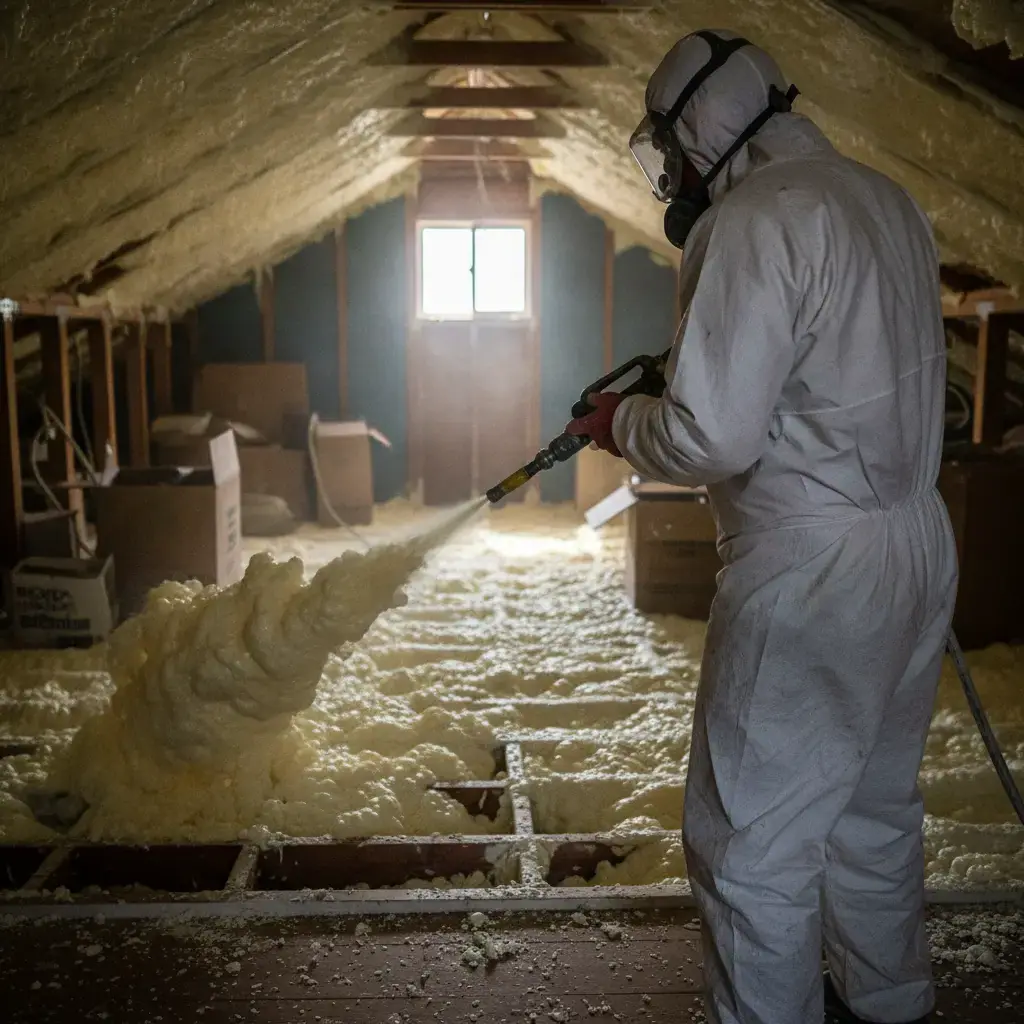
Commercial Insulation in San Diego, CA
Trusted Commercial Commercial Insulation for San Diego, CA Businesses
Need commercial insulation in San Diego, CA? Clean Air Attic installs spray foam, blown-in & attic insulation for San Diego businesses. Call (858) 360-6973 today.
Commercial insulation is the engineered system of thermal and acoustic barriers installed within business facilities — including offices, warehouses, retail centers, and industrial buildings — to regulate interior temperatures, reduce energy consumption, and maintain comfortable working environments. In San Diego, where coastal marine layers, inland heat differentials, and year-round mild-but-variable climates create unique thermal management demands, properly specified commercial insulation is not a luxury but a business necessity.
At Clean Air Attic Insulation, we specialize in delivering high-performance commercial insulation solutions tailored to the specific building types, climate zones, and energy codes that govern construction and renovation across San Diego County. From Otay Mesa’s industrial corridors to Chula Vista’s expanding commercial districts, our team provides expert installation, replacement, and removal services that help business owners lower operating costs and meet California’s increasingly stringent Title 24 energy compliance standards. Call us today at (858) 360-6973 to schedule your commercial assessment.
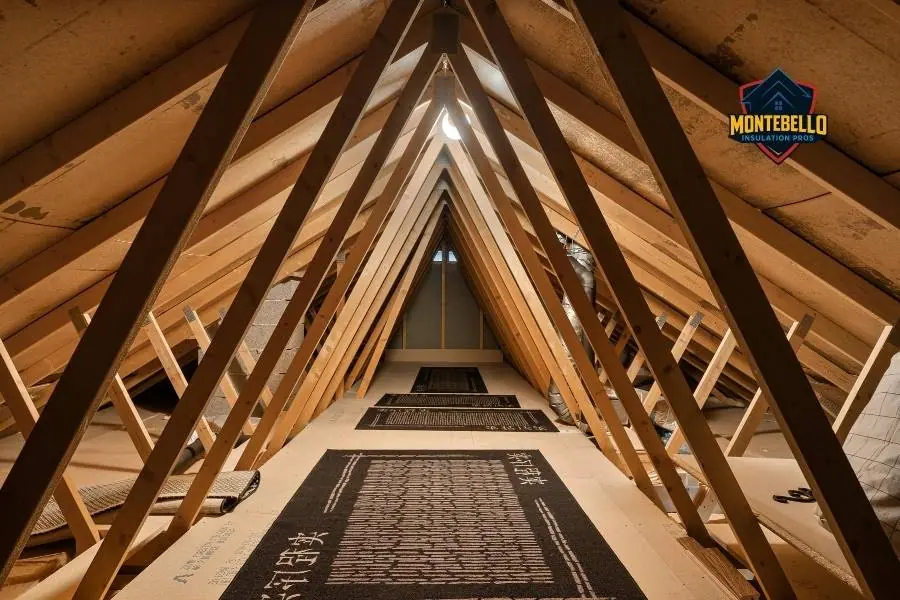
Understanding Commercial Insulation in San Diego, CA
Commercial insulation encompasses a broad category of materials and installation methods designed to control heat transfer, moisture migration, and sound transmission within non-residential structures. Unlike residential insulation, commercial applications must account for larger square footages, complex mechanical systems, higher occupancy loads, and stricter regulatory oversight — particularly under California’s Title 24 Building Energy Efficiency Standards, which are among the most rigorous in the nation.
The history of commercial insulation in San Diego is closely tied to the region’s explosive post-World War II economic growth. As the U.S. Navy expanded its presence and the aerospace and defense industries took root in areas like Kearny Mesa and Miramar, large-scale industrial and office buildings rose rapidly — many with minimal insulation by today’s standards. Through the 1970s energy crisis, building owners began recognizing the operational cost implications of poorly insulated commercial envelopes, prompting retrofit activity that continues to this day.
Read moreShow less
San Diego’s diverse commercial building stock includes:
- Tilt-up concrete warehouses common throughout Otay Mesa and National City, where concrete walls provide thermal mass but require supplemental insulation to meet modern energy codes.
- Low-rise office parks built across La Mesa and Spring Valley during the 1980s and 1990s, often featuring underperforming fiberglass batt systems that have degraded over decades.
- Retail strip centers and mixed-use developments in Chula Vista and Bonita, where HVAC efficiency directly impacts tenant operating costs.
- Cold storage and food processing facilities near the port and Otay Mesa border crossing area, where vapor control and high R-value insulation systems are critical to operations.
Modern commercial insulation materials include spray polyurethane foam (SPF), rigid foam board, mineral wool, blown-in cellulose, and fiberglass batts — each suited to specific applications and building configurations. The selection of the correct system depends on the building’s construction type, climate zone designation (San Diego falls primarily in CEC Climate Zone 7 along the coast and Zone 10 inland), occupancy type, and energy goals.
Understanding these factors is essential to designing an insulation solution that not only passes inspection but delivers measurable energy savings over the building’s operational life.
Why Commercial Insulation Is Needed in San Diego, CA
The Marine Layer Effect and Coastal Humidity
San Diego’s famous marine layer — the dense, low-lying coastal fog that rolls in from the Pacific between May and September, a phenomenon locals call “June Gloom” — creates persistent high-humidity conditions in commercial districts closest to the coast. Areas like Coronado, Imperial Beach, and the western portions of San Diego’s downtown and waterfront see relative humidity levels regularly exceeding 85–90% during morning hours. Without properly installed vapor barriers and moisture-resistant insulation systems, commercial buildings in these zones experience condensation within wall cavities, leading to mold growth, structural degradation, and diminished insulation R-values. A 2-inch open-cell spray foam system absorbing moisture in a coastal warehouse can lose up to 40% of its effective thermal resistance — a significant operational cost driver.
Inland Thermal Extremes in East County Commercial Zones
Moving inland toward La Mesa, Spring Valley, and La Presa, temperatures swing far more dramatically. During the Santa Ana wind events — which typically arrive in late September through December and again in February through April — inland commercial areas can experience temperatures exceeding 95°F with relative humidity dropping below 10%. The notorious October 2007 Witch Creek and Harris fires, which devastated portions of eastern San Diego County, also brought extreme thermal events that exposed the vulnerability of commercial buildings with inadequate fire-rated insulation assemblies. Today, fire-resistant mineral wool insulation is frequently specified in East County commercial projects as a direct response to wildfire risk.
Otay Mesa and Border Region Industrial Demand
The Otay Mesa industrial corridor — one of the busiest commercial freight zones in the western United States due to its proximity to the U.S.-Mexico border — hosts hundreds of warehouses, manufacturing facilities, and distribution centers. Many of these tilt-up concrete structures, built rapidly during the 1990s and 2000s maquiladora boom, were constructed to minimum code with R-13 or lower wall assemblies. As California’s Title 24 2022 standards demand higher performance levels (often R-19 to R-30 for commercial roof assemblies), building owners face significant retrofit requirements when renewing occupancy permits or undergoing tenant improvements.
Energy Cost Pressures from SDG&E Rate Structures
San Diego Gas & Electric (SDG&E) consistently ranks among the most expensive utilities in the continental United States. Commercial customers under SDG&E’s time-of-use rate schedules can pay $0.45–$0.58 per kilowatt-hour during peak summer afternoon periods. A poorly insulated 20,000-square-foot commercial building can waste $18,000–$35,000 annually in unnecessary HVAC energy expenditure. Properly upgraded commercial insulation typically delivers payback periods of 3–7 years at San Diego energy rates — a compelling ROI that drives significant retrofit demand across the county.
Seismic Retrofits Creating Insulation Opportunities
Following the 1994 Northridge earthquake (which impacted structures throughout Southern California) and ongoing updates to California’s seismic code, many San Diego commercial buildings have undergone structural retrofits that expose wall cavities and roof decks — creating ideal opportunities for insulation upgrades that would otherwise require costly demolition.
Free, no-obligation estimates
Talk to Clean Air Attic Insulation
Tell us what you need and we’ll take it from there.
Signs Your Commercial Building Needs New Insulation
Energy and Comfort Indicators
- Unexplained spikes in SDG&E monthly utility bills, particularly during June–September and Santa Ana wind season (October–December)
- HVAC systems running continuously but failing to maintain consistent temperatures across occupied zones
- Noticeable hot or cold spots in specific areas of the building, especially near exterior walls, rooflines, or loading dock areas
- Employee complaints about uncomfortable working conditions concentrated in particular offices or warehouse sections
Physical and Structural Warning Signs
- Visible moisture staining on ceiling tiles, wall panels, or interior surfaces — especially in coastal-adjacent locations like Coronado or Imperial Beach
- Musty odors suggesting mold growth within wall or ceiling cavities
- Ice-cold or excessively warm exterior walls to the touch during temperature extremes
- Visible insulation sagging, compression, or gaps in accessible attic or crawl space areas
Regulatory and Compliance Urgency
- Pending tenant improvement permits that trigger Title 24 compliance review
- Building age exceeding 20 years with no documented insulation upgrades
- Failed energy audits or LEED certification gaps
Our process
Our Commercial Insulation Process in San Diego
- 01
Commercial Energy Assessment (Day 1–2)
We begin with a thorough on-site assessment of your commercial facility, reviewing existing insulation materials, R-values, vapor barrier conditions, and air sealing quality. We document the building’s California Energy Commission (CEC) climate zone designatio
- 02
Customized Scope Development (Day 3–5)
Based on assessment findings, we develop a detailed scope of work specifying insulation types, R-values, installation zones, and vapor control strategies appropriate for your specific building and location within San Diego County. We identify whether spray foa
- 03
Permit Coordination (Day 5–10, when required)
For projects requiring City of San Diego or County permits, we coordinate documentation and submissions. Commercial insulation projects associated with tenant improvements or significant upgrades typically require Title 24 compliance documentation prepared by
- 04
Old Insulation Removal (Day 10–12, if applicable)
Where existing insulation is degraded, contaminated, or non-compliant, our insulation removal team safely extracts and disposes of old materials. We use HEPA-filtered vacuum systems to prevent particulate contamination of occupied commercial spaces — a particu
- 05
Air Sealing and Vapor Barrier Installation (Day 12–14)
Before new insulation is installed, we address air leakage points and install appropriate vapor retarders calibrated to San Diego’s mixed-humid and dry climate zones. Proper air sealing in San Diego commercial buildings can independently reduce HVAC loads by 1
- 06
Insulation Installation (Day 14–18)
Our certified installation crews apply the specified insulation system — whether spray foam insulation, blow-in insulation, or attic insulation — using calibrated equipment to ensure consistent coverage and specified R-values throughout the building envelope.
- 07
Quality Verification and Documentation (Day 18–20)
We conduct post-installation thermal verification using infrared imaging where applicable, and provide complete documentation of installed R-values and materials for your Title 24 compliance records and building maintenance files.
Commercial Insulation Methods and Approaches
Spray Foam Insulation
Spray polyurethane foam (SPF) — available in open-cell (approximately R-3.7 per inch) and closed-cell (approximately R-6.5 per inch) formulations — is among the most effective commercial insulation solutions available. Closed-cell spray foam is the preferred choice for San Diego coastal applications where moisture vapor control is paramount, as it achieves vapor retarder status at 2 inches thickness. It is widely used in Otay Mesa warehouse roof deck applications, cold storage facilities, and tilt-up concrete wall interiors throughout the county. Learn more about our spray foam insulation services.
Blown-In Insulation
Blown-in cellulose and fiberglass systems are cost-effective solutions for large commercial attic spaces and hard-to-access cavities. They are particularly well-suited for retrofitting existing 1980s and 1990s office buildings in La Mesa and Spring Valley that have accessible attic plenum spaces. Explore our blow-in insulation options.
Attic and Roof Deck Insulation
Commercial rooftop and attic insulation is critical in San Diego’s high-solar-radiation environment. Title 24 2022 requires minimum roof assembly R-values of R-25 to R-38 depending on climate zone. Our attic insulation services address both new construction and retrofit applications.
Crawl Space Encapsulation and Insulation
Older commercial buildings in National City, Lemon Grove, and Bonita often feature vented crawl spaces that allow marine layer moisture infiltration. Crawl space encapsulation with closed-cell spray foam or rigid foam board eliminates this moisture pathway and improves ground-floor comfort. Crawl space insulation combined with vapor barriers prevents the moisture-driven mold issues common in San Diego’s older commercial stock.
Insulation Replacement
Insulation replacement services address buildings where existing materials have exceeded their service life, sustained fire or water damage, or are simply insufficient to meet current energy code requirements.
Commercial Insulation Cost in San Diego, CA
Understanding the cost of commercial insulation in San Diego requires considering the building’s size, construction type, existing conditions, and the insulation system specified. Below are typical ranges for commercial projects in the San Diego market:
- Blown-in attic insulation (commercial): $0.85–$1.75 per square foot, depending on target R-value. A 10,000-square-foot commercial attic upgrade typically runs $8,500–$17,500.
- Closed-cell spray foam (walls and roof deck): $1.75–$3.50 per square foot at 2-inch application. Larger warehouse applications in Otay Mesa may negotiate volume pricing below $1.75/sq ft.
- Open-cell spray foam: $0.90–$1.80 per square foot at 3.5-inch application — a popular choice for interior sound attenuation in San Diego office conversions.
- Crawl space encapsulation (commercial): $3,000–$15,000 depending on crawl space area and access complexity.
- Full insulation removal and replacement: Add $0.50–$1.25 per square foot for removal costs prior to new installation.
Read moreShow less
San Diego-Specific Cost Factors: Labor costs in San Diego County run 15–22% above national averages due to regional cost of living. Material costs have stabilized post-pandemic but remain elevated for closed-cell spray foam components. SDG&E utility rebates through the Energy Upgrade California program may offset project costs by $500–$5,000 depending on project scope and building type — ask our team about current rebate eligibility. Title 24 compliance documentation adds $800–$2,500 to projects requiring energy consultant sign-off.
Call (858) 360-6973 for a detailed, no-obligation commercial insulation estimate specific to your San Diego facility.
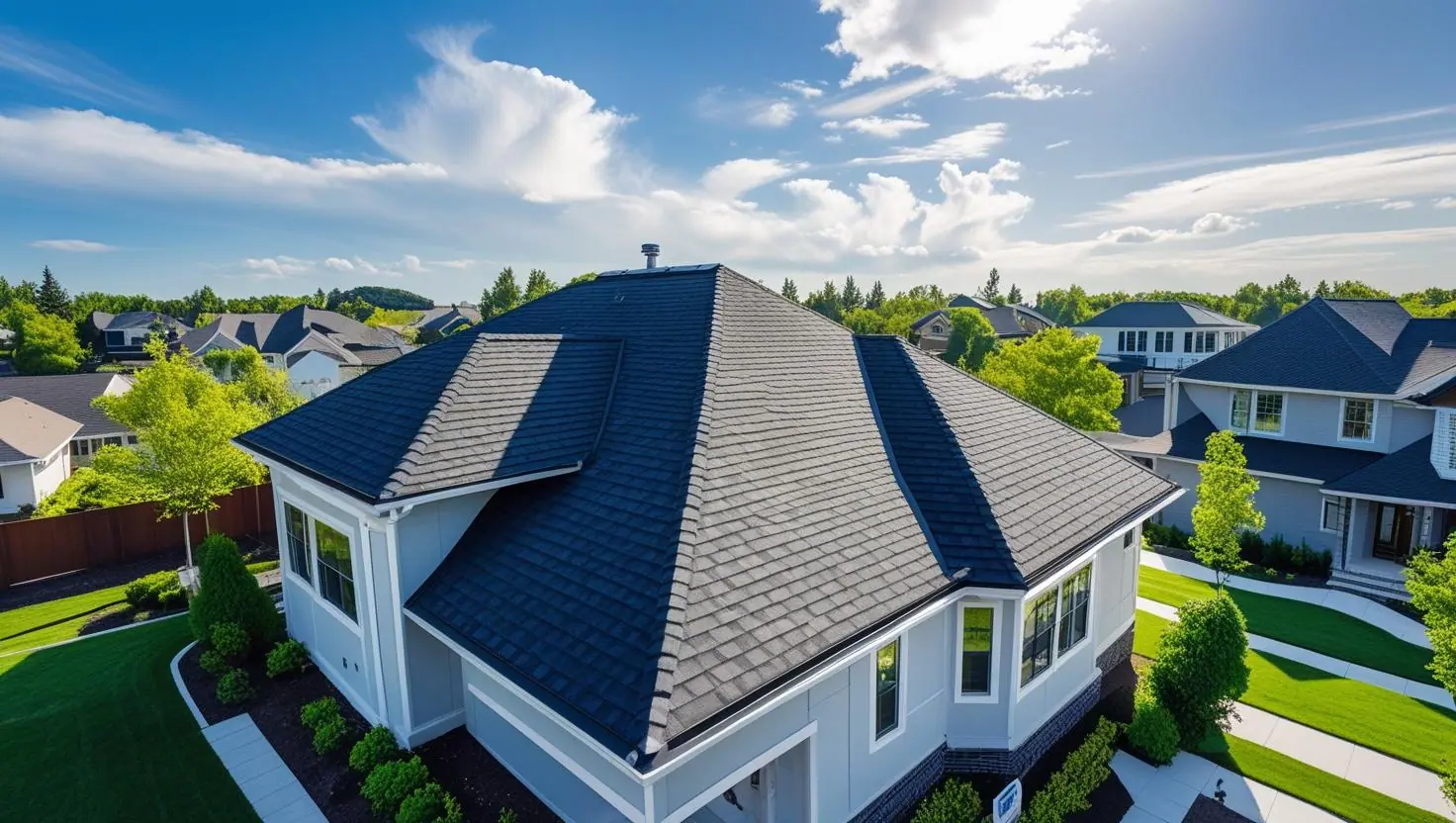
San Diego Commercial Neighborhoods We Serve
Otay Mesa and Otay Mesa West
Home to San Diego’s premier industrial and logistics corridor, Otay Mesa features thousands of tilt-up concrete buildings constructed between 1990 and 2015. Many lack adequate roof insulation for current Title 24 standards. We frequently work with property managers and logistics firms to upgrade roof deck and wall insulation in facilities ranging from 15,000 to 500,000 square feet.
Chula Vista and Bonita
Chula Vista’s rapid commercial development — accelerated by the Bayfront development project and expanding mixed-use districts along Third Avenue — means a mix of new construction requiring Title 24 compliance and legacy 1970s–1980s strip commercial buildings needing insulation modernization.
National City and San Ysidro
These border-adjacent communities host significant auto-related commercial, light industrial, and retail activity. Older masonry and wood-frame commercial buildings here frequently require insulation removal and complete replacement, with particular attention to moisture control given proximity to San Diego Bay.
La Mesa and Lemon Grove
These established East County communities feature a mix of post-war retail buildings and 1980s office parks where blown-in attic insulation retrofits and spray foam crawl space encapsulation deliver significant energy savings.
We also serve Imperial Beach, Coronado, La Presa, Spring Valley, Palm City, Egger Highlands, Nestor, and all surrounding San Diego County communities.
Commercial Insulation Maintenance Tips for San Diego Businesses
- Schedule annual thermal inspections: San Diego’s Santa Ana wind season (October–December) and June marine layer period are ideal times for infrared thermal imaging inspections to catch insulation gaps before peak season energy costs escalate.
- Monitor rooftop penetrations after storms: San Diego’s periodic atmospheric river events — like the historic January 2024 storms — can compromise roof membrane seals and allow water intrusion into insulation assemblies. Inspect roof penetrations after any significant rainfall.
- Control interior humidity in coastal locations: Buildings in Coronado, Imperial Beach, and coastal National City should maintain interior relative humidity below 60% to prevent moisture absorption in open-cell foam or fiberglass systems.
- Inspect crawl spaces biannually: Ground moisture from San Diego’s seasonally shifting water table affects crawl space vapor barriers — check for tears, standing water, or pest damage each spring and fall.
- Clear attic vents of debris: Fire season ash accumulation can block soffit and ridge vents, creating humidity buildup that degrades attic insulation performance.
- Document R-values for permit records: Keep installation documentation on file — Title 24 compliance records are requested during tenant improvement permitting reviews by the City of San Diego Building Department.
- Address HVAC duct sealing simultaneously: Leaky commercial ducts in poorly conditioned attics can undermine even properly upgraded insulation systems — have ducts tested and sealed when scheduling insulation work.
Why Choose Clean Air Attic Insulation for Commercial Projects in San Diego
Clean Air Attic Insulation brings focused expertise in the San Diego commercial insulation market, with deep knowledge of California Title 24 energy compliance requirements, CEC climate zone designations specific to San Diego County, and the building types that define this region — from Otay Mesa tilt-up warehouses to Chula Vista mixed-use developments to East County office parks.
Our commercial insulation team understands the operational realities San Diego businesses face: SDG&E’s premium energy rates, the moisture demands of coastal locations, the thermal extremes of inland commercial zones during Santa Ana conditions, and the regulatory complexity of permitted commercial insulation work in the City of San Diego and surrounding municipalities.
Read moreShow less
We offer comprehensive commercial insulation services under one roof — including removal, replacement, spray foam, blown-in systems, attic insulation, and crawl space encapsulation — eliminating the need to coordinate multiple contractors for complex commercial retrofits.
Contact our San Diego commercial insulation specialists at (858) 360-6973 to discuss your project.
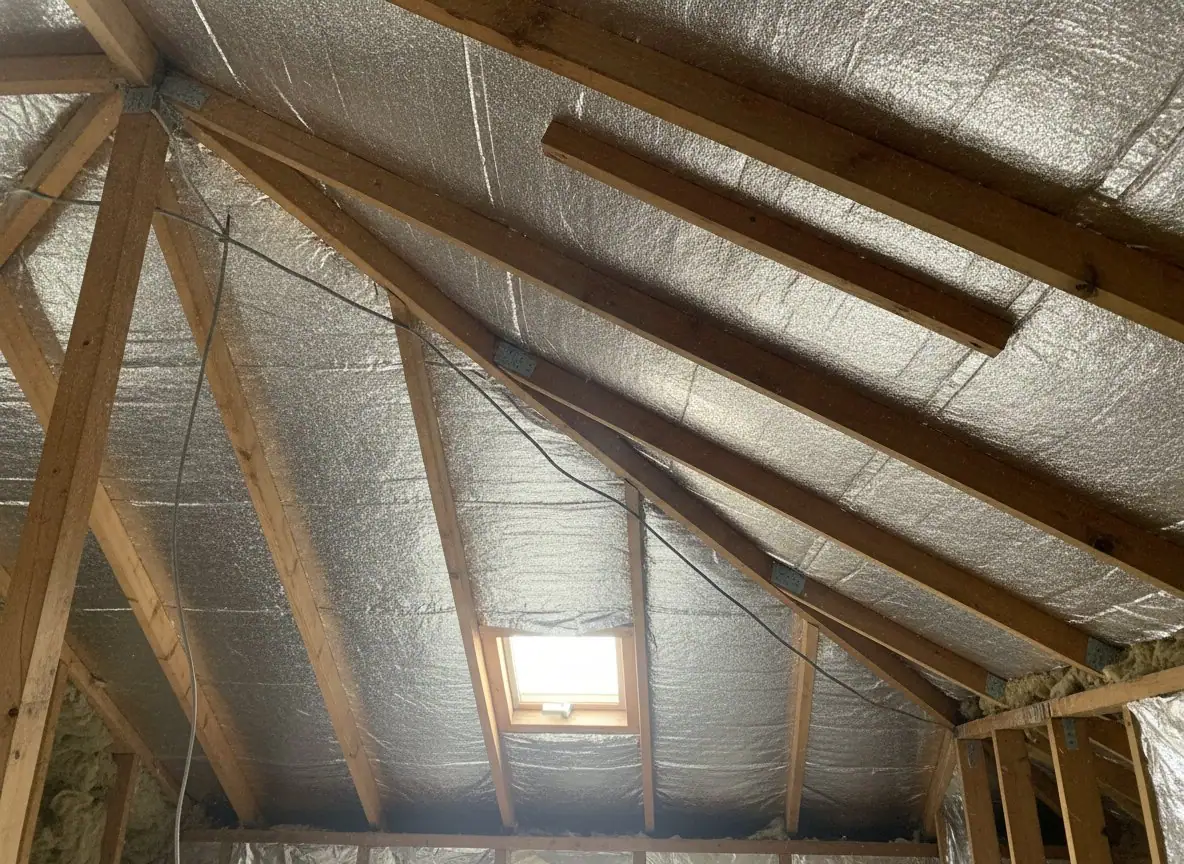
FAQ
Frequently Asked Questions: Commercial Insulation in San Diego, CA
How much does commercial insulation cost in San Diego?
Commercial insulation costs in San Diego typically range from $0.85 to $3.50 per square foot depending on insulation type, building configuration, and project complexity. A mid-size 20,000-square-foot commercial facility with blown-in attic insulation and crawl space encapsulation might run $25,000–$55,000 total. SDG&E rebate programs can offset a portion of this investment. Call us at (858) 360-6973 for a precise estimate based on your specific facility.
How long does a commercial insulation project take in San Diego?
Most commercial insulation projects in San Diego complete within 1–3 weeks from contract execution. Simple attic blown-in retrofits may complete in 1–2 days. Complex projects involving full insulation removal, air sealing, permit coordination, and spray foam installation in large industrial facilities may require 3–4 weeks. We develop project schedules designed to minimize disruption to your business operations.
Does commercial insulation in San Diego require a permit?
This depends on the scope of work. Straight insulation replacement in kind typically does not require a permit in the City of San Diego. However, insulation work associated with tenant improvements, change of occupancy, or significant building upgrades generally triggers Title 24 compliance review and requires permits from the City of San Diego Development Services Department or the appropriate County jurisdiction. We assist clients in determining permit requirements during our initial assessment.
What is Title 24 and how does it affect commercial insulation in San Diego?
Title 24 refers to California’s Building Energy Efficiency Standards, updated every three years by the California Energy Commission. The 2022 Title 24 standards require commercial buildings in San Diego’s coastal Climate Zone 7 to meet minimum roof insulation values of approximately R-25 and wall insulation values of R-13 to R-19 depending on construction type. Buildings undergoing significant renovations must demonstrate compliance through an energy consultant’s documentation. Non-compliance can delay occupancy permits and result in costly correction orders.
Is spray foam or blown-in insulation better for San Diego commercial buildings?
It depends on the application. Closed-cell spray foam is superior for coastal San Diego commercial buildings where moisture vapor control is a priority, for roof deck applications in high-solar-radiation environments like Otay Mesa, and for facilities requiring structural rigidity contribution from the insulation layer. Blown-in insulation is more cost-effective for large attic spaces in inland commercial buildings in La Mesa or Spring Valley where vapor drive is lower and attic access is straightforward. Most complex commercial projects benefit from a hybrid approach using spray foam at critical air sealing and moisture control locations and blown-in for large-area attic coverage.
Can my San Diego business qualify for utility rebates on commercial insulation?
Yes. SDG&E offers commercial energy efficiency rebates through the Energy Upgrade California and Business Energy program. Rebate amounts vary based on projected energy savings, building type, and current program funding availability. Rebates for commercial insulation projects typically range from $500 to $5,000. We recommend contacting SDG&E’s business energy efficiency team or an authorized energy auditor alongside your insulation project to maximize available incentives.
How do I know if my commercial building’s existing insulation needs replacement?
Key indicators include SDG&E bills that seem disproportionately high relative to occupancy, uneven temperatures across the building, visible moisture staining or mold near exterior walls or ceilings, and insulation age exceeding 20–25 years. We provide professional commercial insulation assessments — including visual inspection and documentation review — to give you a clear picture of your existing system’s performance and whether replacement or supplemental installation is warranted.
Do you serve commercial properties throughout all of San Diego County?
Yes. Clean Air Attic Insulation provides commercial insulation services throughout San Diego County, including San Diego, Chula Vista, National City, Coronado, Imperial Beach, La Mesa, Lemon Grove, Spring Valley, La Presa, Bonita, Otay Mesa, Otay Mesa West, Nestor, San Ysidro, Palm City, and Egger Highlands. We are familiar with the specific building codes, climate conditions, and commercial building types present in each community.
Get Your San Diego Commercial Insulation Estimate Today
Whether you manage a Chula Vista retail center, an Otay Mesa distribution warehouse, or a La Mesa office park, Clean Air Attic Insulation has the commercial expertise and San Diego market knowledge to deliver insulation solutions that reduce your SDG&E energy costs, meet California Title 24 requirements, and create a more comfortable environment for your employees and customers.
Don’t let another San Diego summer or Santa Ana wind season drive up your energy bills unnecessarily. Our commercial insulation specialists are ready to assess your facility and provide a detailed, transparent proposal.
Call us now at (858) 360-6973 to schedule your no-obligation commercial insulation assessment anywhere in San Diego County. We respond promptly and work around your business schedule to minimize operational disruption.
Get in touch
Find insulation help near you
Request a free estimate online or give us a call — our team will follow up quickly.
- Call us(858) 360-6973
- Visit10140 Marconi Dr, San Diego, CA 92154
- HoursMon-Sun 07:00-19:00