Ceiling Insulation in San Diego, CA
Energy-Saving Ceiling Insulation for San Diego, CA Homes — Licensed & Insured
Get expert ceiling insulation in San Diego, CA. Clean Air Attic serves Chula Vista, Coronado & beyond. Call (858) 360-6973 for a free estimate today.
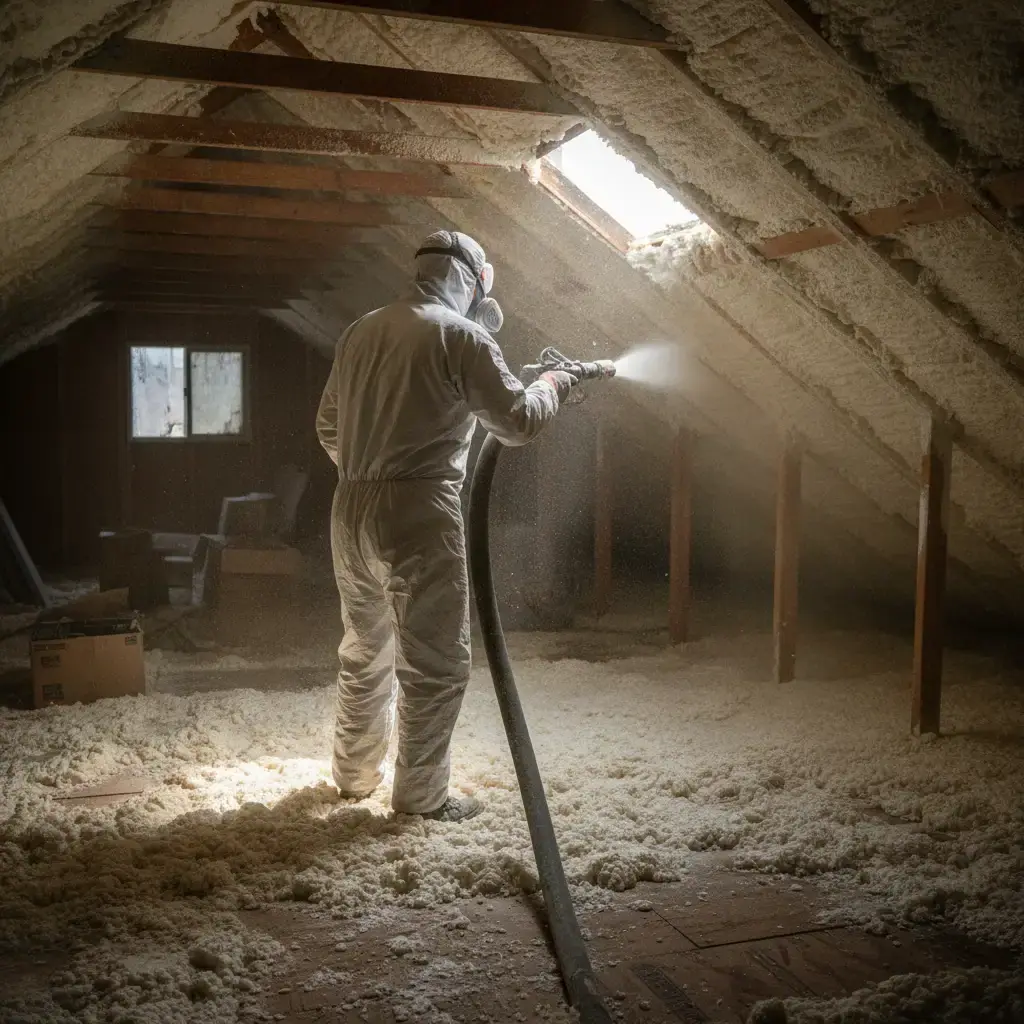
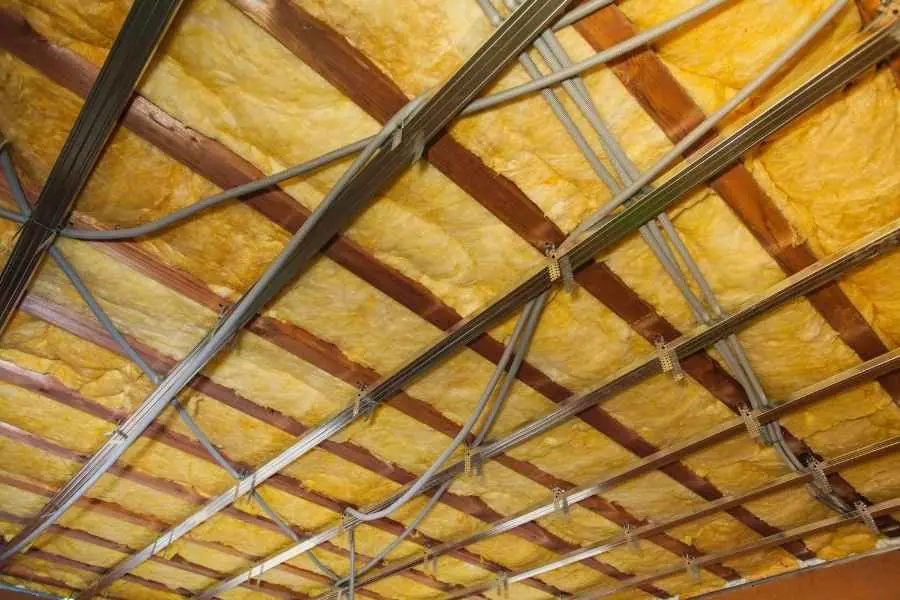
Ceiling insulation is a thermal and acoustic barrier installed between your living space and the attic or roof assembly above, designed to slow heat transfer, reduce energy consumption, and improve year-round indoor comfort. In San Diego, where afternoon temperatures in inland neighborhoods like El Cajon and Santee regularly climb past 95°F while coastal areas battle persistent marine-layer humidity, a properly insulated ceiling is not a luxury — it is a necessity for controlling energy bills and maintaining healthy air quality.
At Clean Air Attic Insulation, our crews understand the unique building stock, climate zones, and Title 24 energy code requirements that govern San Diego County construction. Whether your home was built in the post-war boom of the 1950s or in a modern Otay Ranch subdivision, we match the right insulation material and R-value to your specific ceiling assembly, ensuring maximum performance and code compliance. Call us today at (858) 360-6973 to schedule a free assessment.
Understanding Ceiling Insulation
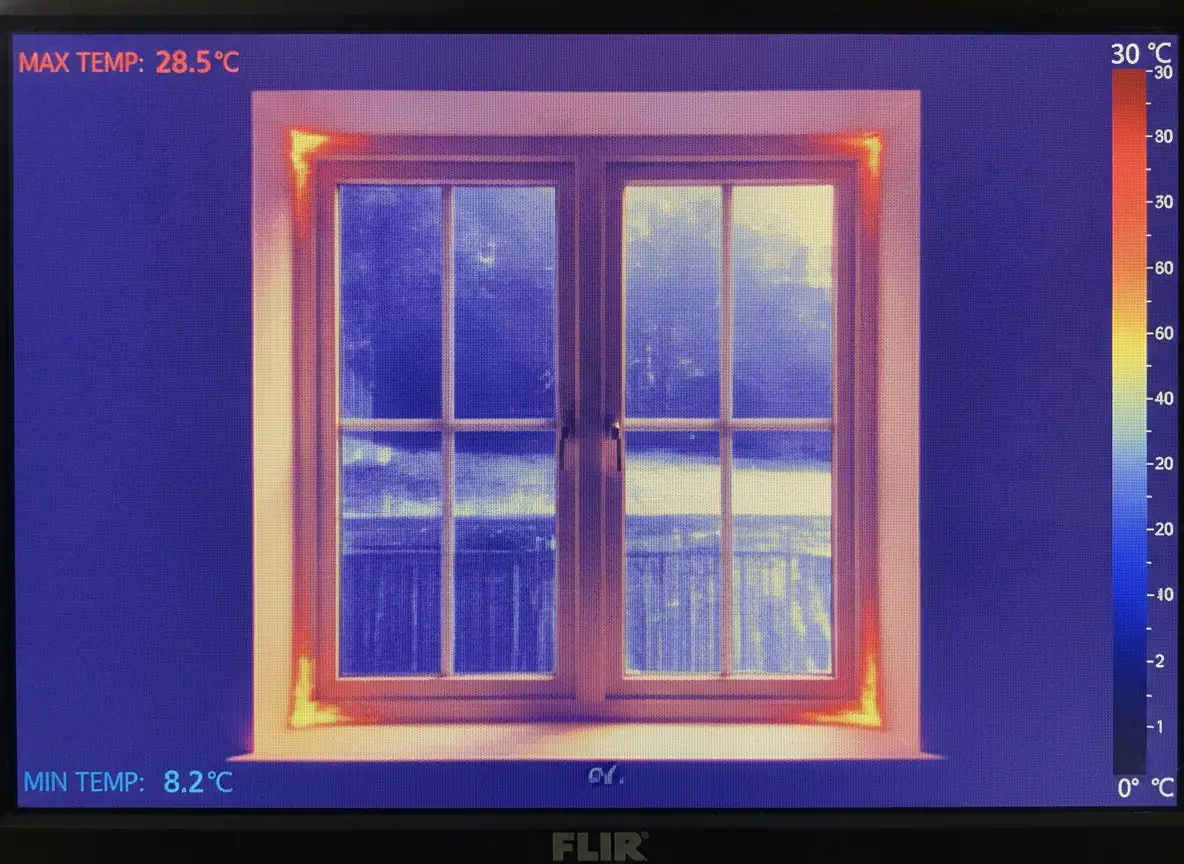
Ceiling insulation works on a straightforward physical principle: materials with low thermal conductivity resist the movement of heat between two spaces. When warm air outside tries to push through your ceiling in July, or when the cold marine air of a January night attempts to pull warmth out of your home, an adequate layer of insulation slows that exchange dramatically. The effectiveness of any insulation product is measured by its R-value — the higher the number, the greater the resistance to heat flow.
Historically, San Diego homes built before the 1970s energy crisis often contained little or no ceiling insulation. Tract homes constructed during the 1950s and 1960s in neighborhoods like Linda Vista and Clairemont typically relied on the mild coastal climate and natural ventilation to maintain comfort. When the federal government introduced energy efficiency standards following the 1973 oil embargo, California’s Title 24 Building Energy Efficiency Standards eventually followed, mandating minimum R-values that have tightened with each code cycle. Today, California Energy Code requires new residential ceilings to achieve a minimum of R-38 in San Diego’s Climate Zones 7 and 10, with some zone configurations requiring up to R-49.
Read moreShow less
Ceiling insulation is relevant across a wide spectrum of San Diego building types. Single-family ranch-style homes in Spring Valley typically feature open attic spaces that are ideal for blown-in fiberglass or cellulose. Coastal bungalows in Ocean Beach often have shallow roof pitches where spray foam applied directly to the roof deck creates an unvented conditioned attic. Mid-rise condominiums in Little Italy and downtown San Diego use rigid foam board between concrete floor-ceiling assemblies. Mobile homes and manufactured housing — prevalent in communities such as San Ysidro — require specialized batt products rated for limited-depth ceiling cavities.
Understanding which insulation type suits your specific ceiling assembly, attic configuration, and local climate microzone is the first step toward a successful installation. The sections below walk through why San Diego’s unique conditions make ceiling insulation especially important, and how Clean Air Attic Insulation tailors every project to local realities. Learn more about our attic insulation services
Why Ceiling Insulation Is Needed in San Diego, CA
San Diego’s Dual-Climate Challenge
San Diego sits across three distinct California Energy Commission climate zones — Zone 7 (coastal), Zone 10 (inland valleys), and portions of Zone 23 (high desert transition near Alpine). This means a home in Coronado experiences vastly different thermal stresses than a home in Spring Valley just 18 miles inland. Coastal areas endure 80–85% relative humidity driven by the Pacific marine layer that rolls in each morning from May through September — a phenomenon locals call “June Gloom” — while inland communities like La Mesa and Lemon Grove swing between summer highs of 95–105°F and winter lows that can reach 38°F overnight. Without adequate ceiling insulation, homes in both zones bleed conditioned air year-round.
Aging Housing Stock and Missing Insulation
A significant percentage of San Diego’s residential housing stock predates modern energy codes. The post-World War II population boom produced tens of thousands of homes in neighborhoods such as Clairemont Mesa, College Area, and National City — most of which were built with zero to R-7 of attic insulation. Over time, even insulation that was originally installed has settled, compressed, or been damaged. Blown-in fiberglass loses roughly 20–25% of its installed depth within the first 10–15 years through natural settling. A home in Bonita built in 1965 with 4 inches of original batts likely performs at R-9 or less today — far below the current R-38 minimum standard.
Wildfire Smoke and Air Quality Events
San Diego County has experienced multiple catastrophic wildfire events, including the Cedar Fire of October 2003 (which burned 273,246 acres) and the Witch Creek Fire of October 2007 (197,990 acres). During these events, smoke infiltration through poorly sealed attic bypasses became a documented public health concern. Homes without continuous air sealing at the ceiling plane allow smoke particles, ash, and volatile organic compounds to migrate from attic spaces directly into living areas. Properly installed ceiling insulation paired with air sealing reduces this infiltration pathway by up to 40%, according to California Energy Commission research on tight building envelopes.
Marine Layer Humidity and Moisture Damage
Neighborhoods within three miles of the Pacific coast — including Imperial Beach, Nestor, and Otay Mesa West — experience persistent high humidity that saturates under-insulated ceiling assemblies. When warm interior air meets a cold, poorly insulated ceiling deck on a June morning, condensation forms inside the cavity. Over months and years, this moisture feeds mold colonies and causes structural wood rot. The Environmental Protection Agency identifies relative humidity above 60% as a primary driver of indoor mold growth, and San Diego coastal zones regularly exceed that threshold from midnight to noon during the marine-layer season.
Rising Energy Costs
San Diego Gas & Electric (SDG&E) residential electricity rates have increased substantially over the past decade, with tiered pricing that penalizes heavy summer cooling loads. The average SDG&E residential bill in 2023 was approximately $180 per month — among the highest in the continental United States. Department of Energy data indicates that upgrading ceiling insulation from R-11 to R-38 can reduce annual heating and cooling costs by 15–25% in Climate Zone 7 homes, translating to $300–$600 in annual savings for a typical 1,800-square-foot San Diego residence.
Free, no-obligation estimates
Talk to Clean Air Attic Insulation
Tell us what you need and we’ll take it from there.
Signs You Need Ceiling Insulation in San Diego
Comfort and Temperature Symptoms
- Rooms feel noticeably warmer in summer despite air conditioning running continuously
- Uneven temperatures between upstairs and downstairs living areas — a difference of more than 4°F between floors suggests poor ceiling performance
- Cold drafts near ceiling-mounted light fixtures or recessed can lights during winter nights
- HVAC system cycling more than twice per hour on a mild 75°F San Diego afternoon
Energy Bill Indicators
- Monthly SDG&E bills consistently higher than neighboring comparable homes
- Summer electricity costs spiking above $250/month for homes under 2,000 square feet
- Failing a Home Energy Rating System (HERS) audit during a refinance or sale inspection
Visual and Physical Evidence
- Visible attic insulation depth below 10 inches (indicating less than R-30)
- Insulation that appears gray, matted, or water-stained when viewed from the attic hatch
- Pest droppings, nesting material, or rodent tunneling visible within the insulation layer
- Water stains on ceiling drywall following winter rain events
Urgent Red Flags
- Mold odor detected near ceiling registers or in the attic space
- Insulation that is wet, clumping, or visibly discolored after a coastal humidity event
Our process
Our Ceiling Insulation Process
- 01
Free On-Site Assessment (Day 1 — 60–90 minutes)
A Clean Air Attic Insulation technician visits your San Diego property to measure existing insulation depth, assess attic ventilation, identify air bypass locations (recessed lights, plumbing chases, HVAC penetrations), and photograph existing conditions. We n
- 02
Custom Scope and Written Estimate (Days 1–3)
Based on the assessment, we prepare a written project scope specifying material type, installed R-value, air sealing strategy, and any required insulation removal. We include itemized pricing so you understand exactly what you are paying for, including any loc
- 03
Old Insulation Removal (If Required — Day of Installation)
When existing insulation is contaminated by rodents, moisture, mold, or fire smoke — common issues in older San Diego neighborhoods — our crews use HEPA-filtered vacuum equipment to extract all old material safely. Debris is bagged and removed per San Diego Co
- 04
Air Sealing (Day of Installation — 1–3 hours)
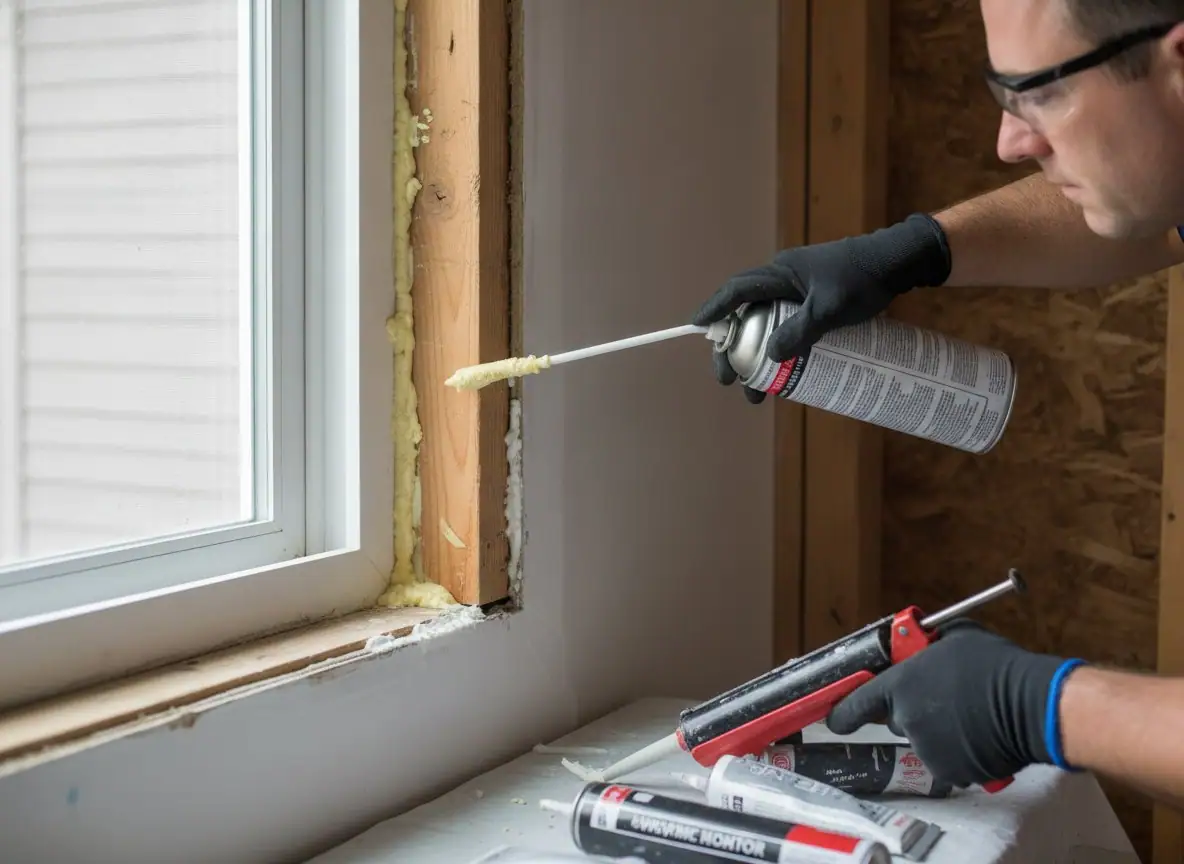
Before any new insulation is placed, we seal all attic bypasses with low-expansion spray foam and fire-rated caulk. This step is particularly important in San Diego’s coastal zones where humidity-laden air can infiltrate through ceiling gaps, and in homes near
- 05
Insulation Installation (Day of Installation — 2–5 hours)
Our crews install the specified insulation material — blown-in cellulose, blown-in fiberglass, spray foam, or batts — to the code-required depth and R-value. Depth markers are placed throughout the attic floor to confirm uniform coverage. All work is documente
- 06
Final Inspection and Documentation (Same Day)
We conduct a walkthrough with the homeowner, confirming attic hatch insulation, verifying ventilation pathways remain unobstructed, and providing a Certificate of Installation that satisfies SDG&E rebate and Title 24 documentation requirements.
- 07
Rebate Assistance (Within 1 Week)
We help qualifying San Diego homeowners complete SDG&E Energy Upgrade California rebate paperwork, which can offset $150–$1,000 of your project cost depending on the scope of work.
Ceiling Insulation Methods and Approaches
Blown-In Fiberglass
Blown-in fiberglass is the most common method used in San Diego’s vented attic spaces because it resists moisture absorption — a critical advantage in coastal neighborhoods like Imperial Beach and Coronado where relative humidity regularly exceeds 80%. Typical installed depth for R-38 is 12–14 inches. Installation is fast (2–3 hours for an average home) and does not require significant attic access clearance. Explore our blow-in insulation options
Blown-In Cellulose
Made from recycled paper treated with borate fire retardant, cellulose achieves R-38 at approximately 10–11 inches of depth. It is particularly effective for older San Diego homes where irregular joist spacing makes batt installation difficult. Cellulose also provides superior sound attenuation — beneficial near San Diego International Airport flight paths affecting neighborhoods like Bankers Hill and Mission Hills.
Spray Foam Insulation
Closed-cell spray polyurethane foam (SPF) is applied directly to the underside of roof sheathing in unvented attic configurations. This approach converts the attic into conditioned space, which is ideal for homes with HVAC equipment and ductwork in the attic — a common configuration throughout San Diego. Closed-cell SPF achieves R-6.5 per inch and provides an integral vapor barrier, making it the preferred solution for high-humidity coastal zones. Learn more about spray foam insulation
Fiberglass Batt Insulation
Pre-cut batt panels are best suited for new construction or renovation projects where ceiling joist bays are fully accessible and uniformly spaced. They are cost-effective for large commercial or multi-family projects in San Diego’s Chula Vista and National City corridors where ceiling assemblies follow standard framing layouts.
Rigid Foam Board
Polyisocyanurate (polyiso) rigid board, achieving R-6 to R-6.5 per inch, is used in low-slope or flat-roof residential and commercial applications common in San Diego’s modernist and mid-century architectural inventory. It is installed above roof decking or against the ceiling assembly in cathedral ceiling configurations.
Ceiling Insulation Cost in San Diego, CA
Understanding the full cost picture helps San Diego homeowners budget accurately and evaluate quotes. The following ranges reflect current 2024 labor and material pricing in San Diego County.
Typical Price Ranges
- Blown-in fiberglass (R-38): $1.20–$1.80 per square foot installed; a 1,500 sq ft attic floor runs $1,800–$2,700
- Blown-in cellulose (R-38): $1.00–$1.60 per square foot; $1,500–$2,400 for 1,500 sq ft
- Closed-cell spray foam (unvented attic): $5.00–$8.00 per square foot; $7,500–$12,000 for a 1,500 sq ft roof deck
- Fiberglass batt (R-30): $0.85–$1.30 per square foot for accessible new construction
- Insulation removal (prior to replacement): $1.00–$2.00 per square foot depending on contamination level
Read moreShow less
Factors That Affect San Diego Pricing
- Attic accessibility: Shallow-pitch roofs common in 1960s ranch homes in Lemon Grove and La Mesa require additional labor time
- Existing contamination: Rodent or mold remediation adds $500–$2,000 to project totals
- Home size and ceiling complexity: Cathedral ceilings, knee walls, and skylights increase material and labor costs
- Permit requirements: San Diego City and County building permits for insulation replacement average $150–$300
Available Incentives
SDG&E’s Energy Savings Assistance Program offers qualifying low-income San Diego households free insulation upgrades. Energy Upgrade California rebates provide $0.10–$0.25 per square foot for qualifying blown-in installations. Federal Residential Clean Energy credits may offset 30% of qualifying energy efficiency improvements through 2032.
Neighborhoods We Serve in San Diego
Chula Vista and Bonita
These rapidly growing South Bay communities include housing stock ranging from 1950s post-war cottages to 2010s-era master-planned communities in Otay Ranch. Older homes frequently need complete insulation replacement, while newer homes may only require air sealing improvements to reach peak Title 24 performance.
National City and Lemon Grove
Dense urban neighborhoods with a high concentration of pre-1970 single-family homes and small multi-family buildings. Limited attic clearance (often under 24 inches) makes blown-in equipment the only practical installation method. Many properties also have original vermiculite or early fiberglass insulation requiring safe removal.
Imperial Beach and Coronado
Extreme coastal humidity and salt air create unique challenges. We recommend moisture-resistant fiberglass blown-in or closed-cell spray foam to prevent the condensation and corrosion issues that plague cellulose in these environments.
Spring Valley and La Presa
Inland communities subject to hot, dry summers exceeding 100°F and cool winters require the highest R-values — R-49 is recommended for homes in these areas. Wildfire risk also makes fire-rated insulation materials a smart choice.
San Ysidro and Otay Mesa
Border communities with mixed residential and light commercial properties, including many manufactured homes. We serve these neighborhoods with bilingual crews and materials appropriate for non-standard ceiling cavity depths common in manufactured housing.
Ceiling Insulation Maintenance Tips for San Diego Homeowners
- Inspect attic insulation depth annually — Use a ruler at the attic hatch each fall. If depth is below 10 inches, schedule a top-up before winter.
- Check for pest activity after rainy seasons — San Diego’s winter rains (November–March) drive rodents into attics. Look for droppings or tunneling at your fall and spring inspections.
- Seal recessed light fixtures — Install IC-rated, airtight covers over recessed can lights to prevent conditioned air from escaping into the attic during summer cooling seasons.
- Maintain proper attic ventilation — Ensure soffit vents remain unobstructed by insulation. Blocked ventilation accelerates moisture buildup in San Diego’s coastal microclimates.
- Monitor for moisture after marine-layer events — After prolonged June Gloom periods, check the attic for condensation on roof sheathing, a sign that air sealing or vapor management needs attention.
- Clear attic exhaust fans — San Diego attics with powered ventilators should have fan blades and louvers cleaned of dust and debris each spring.
- Document post-wildfire smoke events — After nearby brush fires, have your attic inspected for smoke infiltration and contaminated insulation, especially if your home is within 5 miles of burn areas.
Why Choose Clean Air Attic Insulation in San Diego
Clean Air Attic Insulation specializes exclusively in insulation services for San Diego County homes and businesses. Our crews have hands-on experience with every building type found across the region — from aging craftsman bungalows in North Park to new-construction townhomes in Otay Mesa West — and we understand the specific Title 24 compliance requirements enforced by San Diego City, Chula Vista, and Coronado building departments.
We use equipment calibrated for San Diego’s climate zones, ensuring that every blown-in installation achieves the specified density and R-value rather than settling short. Our air sealing protocols specifically address the wildfire smoke infiltration pathways identified by California energy researchers following the 2007 Witch Creek Fire.
Read moreShow less
Every project includes written documentation suitable for SDG&E rebate submission and real estate disclosure. We serve all major San Diego communities, including Chula Vista, National City, Imperial Beach, La Mesa, Bonita, Coronado, Spring Valley, Lemon Grove, and La Presa. Call (858) 360-6973 to speak with a local insulation specialist today. Ask about our crawl space insulation services too
FAQ
Frequently Asked Questions About Ceiling Insulation in San Diego
How much does ceiling insulation cost in San Diego?
Most San Diego homeowners pay between $1,500 and $4,500 for a complete ceiling insulation upgrade, depending on home size, existing insulation condition, and material type. Spray foam projects for unvented attic conversions can range from $7,500 to $14,000 for larger homes. SDG&E rebates and federal tax credits can reduce out-of-pocket costs significantly.
What R-value do I need for my San Diego home?
California Energy Code Title 24 requires a minimum of R-38 for ceiling assemblies in San Diego’s Climate Zones 7 and 10. Homes in hotter inland areas such as Spring Valley and La Presa benefit from R-49 or higher. Coastal homes in Imperial Beach or Coronado typically meet code at R-38, though proper air sealing matters just as much as raw R-value in these humidity-prone zones.
How long does a ceiling insulation installation take?
For most San Diego single-family homes, the installation crew completes the project in one day. Homes requiring full insulation removal and replacement may require two days. Spray foam unvented attic conversions typically take one to two days depending on square footage and cure time requirements.
Do I need a permit for ceiling insulation replacement in San Diego?
In most cases, like-for-like insulation replacement does not require a permit from the City of San Diego or surrounding municipalities. However, changing insulation type (for example, converting from a vented to an unvented attic with spray foam) typically requires a building permit and HERS inspection. Clean Air Attic Insulation handles all permitting coordination.
Can ceiling insulation help with San Diego wildfire smoke?
Yes. Properly installed ceiling insulation combined with comprehensive attic air sealing reduces the pathways through which wildfire smoke enters living spaces. California Energy Commission studies indicate that homes with tight attic envelopes experienced measurably lower indoor particulate levels during the 2007 Witch Creek and Harris fires compared to homes with unsealed attic bypasses.
Is blown-in or batt insulation better for San Diego homes?
Blown-in insulation is generally superior for San Diego’s existing housing stock because it conforms to irregular joist bays, covers obstructions evenly, and achieves consistent depth across the entire attic floor. Batts are more practical in new construction where framing is clean, uniform, and easily accessible. For coastal properties with high humidity, blown-in fiberglass is preferred over cellulose due to its lower moisture absorption rate.
Will new ceiling insulation reduce my SDG&E bill?
Yes. Upgrading from R-11 to R-38 in a Climate Zone 7 San Diego home typically reduces annual heating and cooling costs by 15–25%, based on U.S. Department of Energy modeling. For a home with a $200/month average SDG&E bill, that represents $360–$600 per year in savings. Most homeowners recover their installation investment within 3–7 years through energy savings alone, not counting rebates.
What neighborhoods do you serve in San Diego County?
Clean Air Attic Insulation serves all communities across San Diego County, including San Ysidro, Palm City, Otay Mesa, Egger Highlands, Otay Mesa West, Nestor, Bonita, Chula Vista, Coronado, Imperial Beach, La Mesa, La Presa, Lemon Grove, National City, and Spring Valley. We also serve all neighborhoods within the City of San Diego. Call (858) 360-6973 to confirm service availability in your area.
Get Your Free Ceiling Insulation Estimate in San Diego Today
San Diego’s unique combination of coastal humidity, inland heat extremes, wildfire smoke risk, and aging housing stock means that proper ceiling insulation is one of the highest-return investments you can make in your home’s comfort, air quality, and energy efficiency. Whether you are in Coronado, Spring Valley, National City, or anywhere across the South Bay, Clean Air Attic Insulation is ready to help.
Contact us today for a no-obligation, on-site assessment and written estimate. Our San Diego insulation specialists will measure your current performance, identify the right solution for your home’s climate zone and building type, and walk you through available SDG&E rebates that can reduce your upfront cost.
Call us now at (858) 360-6973 or visit our website to schedule your free ceiling insulation assessment. Comfort, savings, and cleaner indoor air are one call away. Schedule your free insulation assessment online
Get in touch
Find insulation help near you
Request a free estimate online or give us a call — our team will follow up quickly.
- Call us(858) 360-6973
- Visit10140 Marconi Dr, San Diego, CA 92154
- HoursMon-Sun 07:00-19:00