Roof Insulation in San Diego, CA
Expert Roof Insulation in San Diego, CA — Storm-Tested, Warranty-Backed
Need roof insulation in San Diego, CA? Clean Air Attic Insulation offers expert installation, removal & replacement. Call (858) 360-6973 for a free estimate.
Roof insulation is the thermal and moisture barrier installed between your home’s interior living spaces and the roof structure above — designed to regulate indoor temperatures, reduce energy loss, and protect structural components from heat, humidity, and condensation damage. In San Diego, CA, where coastal marine layer mornings transition into intense afternoon sun and temperatures can swing dramatically between the coast and inland neighborhoods, effective roof insulation is not optional — it is essential to home comfort and energy efficiency.
At Clean Air Attic Insulation, we specialize in professional roof insulation services tailored specifically to San Diego’s Mediterranean climate, aging housing stock, and unique architectural styles. From craftsman bungalows in North Park to stucco ranch homes in Chula Vista, our team understands the building science behind keeping San Diego homes comfortable year-round. Call us today at (858) 360-6973 to schedule a free assessment.
Understanding Roof Insulation in San Diego, CA
Roof insulation refers to any thermally resistant material installed at the roof deck, between rafters, or above the ceiling plane to slow the transfer of heat into and out of a building. Unlike wall insulation, which primarily deals with lateral heat movement, roof insulation addresses the most significant thermal vulnerability in any structure — the point where radiant solar energy first makes contact with your home.
Historically, San Diego homes built before the 1970s were constructed with little to no attic or roof insulation, reflecting era-era norms that assumed mild coastal weather would eliminate the need for thermal protection. The California Energy Commission did not begin enforcing Title 24 energy efficiency standards until 1978, meaning that hundreds of thousands of homes built across San Diego County in the postwar housing boom — particularly in communities like National City, Lemon Grove, and Spring Valley — were constructed with negligible insulation values, often rated at R-11 or lower.
Read moreShow less
Today, California’s Title 24 building code requires new construction in San Diego’s climate zone (Climate Zone 7 along the coast, Climate Zone 10 inland) to achieve roof insulation values between R-30 and R-49 depending on the roof system type. Most existing San Diego homes fall significantly short of these benchmarks, making retrofitting and replacement a high-priority home improvement investment.
San Diego’s built environment includes a wide diversity of roof types that influence insulation approach: low-slope tile roofs common throughout Chula Vista and Bonita, flat commercial-style roofs in older National City neighborhoods, wood-framed cathedral ceilings in mid-century modern homes in La Mesa, and dense two-story tract housing throughout Otay Mesa West. Each building type presents distinct insulation challenges that require site-specific solutions rather than a one-size-fits-all approach.
Roof insulation also plays a critical role in moisture management. San Diego’s coastal communities — including Coronado, Imperial Beach, and the Nestor neighborhood — experience persistent marine layer humidity from May through September, a phenomenon locals call “June Gloom.” Without proper roof insulation and vapor control, this moisture infiltrates attic spaces, promoting mold growth and degrading insulation performance over time.
Why Roof Insulation Is Needed in San Diego, CA
Intense Solar Radiation and Roof Deck Heat
San Diego averages 266 sunny days per year, and during summer months, roof deck surface temperatures on dark or aging tile roofs regularly exceed 150°F to 170°F. Without adequate insulation, this radiant heat transfers directly into attic cavities, driving attic air temperatures above 140°F in inland neighborhoods like Spring Valley and El Cajon. Studies from the Lawrence Berkeley National Laboratory found that uninsulated or under-insulated attics can increase residential cooling loads by 25–40%, directly inflating San Diego Gas & Electric (SDG&E) bills, which already rank among the highest in the nation, averaging $180–$240 per month for a typical San Diego household.
The Marine Layer and Coastal Humidity
Coastal communities from Coronado to Imperial Beach and inland neighborhoods like Nestor and Otay Mesa West experience the Pacific marine layer — a low-lying coastal fog — for 90 to 120 days per year, primarily between May and September. This phenomenon pushes relative humidity levels to 80–95% in early morning hours. Attic spaces without proper vapor barriers and adequate insulation trap this moisture, causing wood rot in rafters, mold colonization on sheathing, and compressed or moisture-saturated blown-in insulation that loses 30–50% of its rated R-value when wet.
Wildfire-Driven Temperature Extremes and Santa Ana Winds
San Diego County’s Santa Ana wind events — which typically occur between October and April — push hot, dry desert air from the inland valleys toward the coast, sometimes raising temperatures by 20–30°F within a matter of hours. During the October 2007 Witch Creek and Rice fires, neighborhoods throughout eastern San Diego County experienced rapid temperature swings exceeding 40°F in a 24-hour period. These thermal shocks accelerate the degradation of aged insulation materials, particularly fiberglass batts installed prior to 1990, which become brittle and lose density over time.
Aging Housing Stock
Neighborhoods such as National City, Lemon Grove, and the older sections of San Ysidro contain significant concentrations of homes built between 1945 and 1975 — a period when R-11 or R-13 attic insulation was considered adequate. Current California code requirements of R-38 to R-49 mean these homes are operating at 30–60% below modern energy efficiency standards, resulting in thousands of dollars in unnecessary energy expenditure annually.
New Development Density in Otay Mesa and Chula Vista
Rapidly developing communities like Otay Mesa and eastern Chula Vista feature newer construction but face unique challenges: dense neighborhood layouts reduce natural ventilation, and proximity to the US-Mexico border corridor introduces additional particulate air quality concerns that compound indoor air quality problems when insulation is absent or degraded.
Free, no-obligation estimates
Talk to Clean Air Attic Insulation
Tell us what you need and we’ll take it from there.
Signs You Need Roof Insulation in San Diego
Energy and Comfort Indicators
- SDG&E bills consistently above $200/month during summer despite moderate thermostat settings
- Rooms on the top floor of your home feel noticeably hotter than lower floors, even with air conditioning running
- Air conditioning runs continuously during afternoon hours without reaching the set temperature
- Uneven room temperatures throughout the home — hot in some areas, cold in others
Visual and Physical Warning Signs
- Visible attic insulation that appears flattened, discolored yellow or gray, or shows gaps and voids
- Dark staining on attic sheathing or rafters indicating moisture infiltration
- Musty or stale odors emanating from ceiling vents, particularly after coastal fog mornings
- Ice dams on roof edges during rare San Diego cold snaps (unusual but possible in elevated East County neighborhoods)
- Daylight visible through attic vents or insulation gaps when inspecting from inside
Urgency Indicators
- Your home was built before 1980 and has never had insulation replaced or upgraded
- You have recently replaced your roof but did not address underlying attic insulation
- A recent pest inspection revealed rodent or bird nesting activity that has damaged insulation batts
Our process
Our Roof Insulation Process in San Diego
- 01
Free In-Home Assessment (1–2 Hours)
Our certified technician performs a comprehensive attic inspection, measuring existing insulation depth and R-value, checking for moisture damage, identifying ventilation deficiencies, and photographing problem areas. We use infrared thermal imaging where appr
- 02
Custom Scope of Work and Written Estimate (24–48 Hours)
Based on your home’s age, roof type, and San Diego climate zone classification, we prepare a written proposal specifying insulation type, target R-value, and any preparatory work required. We factor in California Title 24 compliance requirements and SDG&E
- 03
Old Insulation Removal (Half Day to Full Day)
Where existing insulation is damaged, contaminated, or compressed below functional R-value thresholds, our team performs complete removal using commercial-grade vacuum equipment. All removed material is bagged, sealed, and disposed of per San Diego County wast
- 04
Air Sealing and Vapor Barrier Installation (2–4 Hours)
Before any new insulation is placed, we seal attic bypasses — gaps around plumbing penetrations, recessed lights, and HVAC ducts — using spray foam sealant. In coastal zones (Coronado, Imperial Beach, Nestor), we install appropriate vapor retarders to address
- 05
Insulation Installation (Half Day to Full Day)
New insulation is installed to achieve the specified R-value target, typically R-38 to R-49 for San Diego roofs. Baffles are installed at eaves to preserve ventilation pathways critical in San Diego’s warm-weather climate.
- 06
Post-Installation Inspection and Documentation (1 Hour)
A final inspection confirms uniform coverage depth, ventilation integrity, and access hatch insulation. We provide written documentation of installed R-value for permit purposes and SDG&E rebate applications.
- 07
Cleanup and Client Walkthrough (30 Minutes)
We restore your attic access area, remove all equipment and debris, and walk you through what was completed, what to monitor going forward, and how to maintain your new insulation system.
Roof Insulation Methods and Approaches We Use
Blown-In Insulation (Loose Fill)
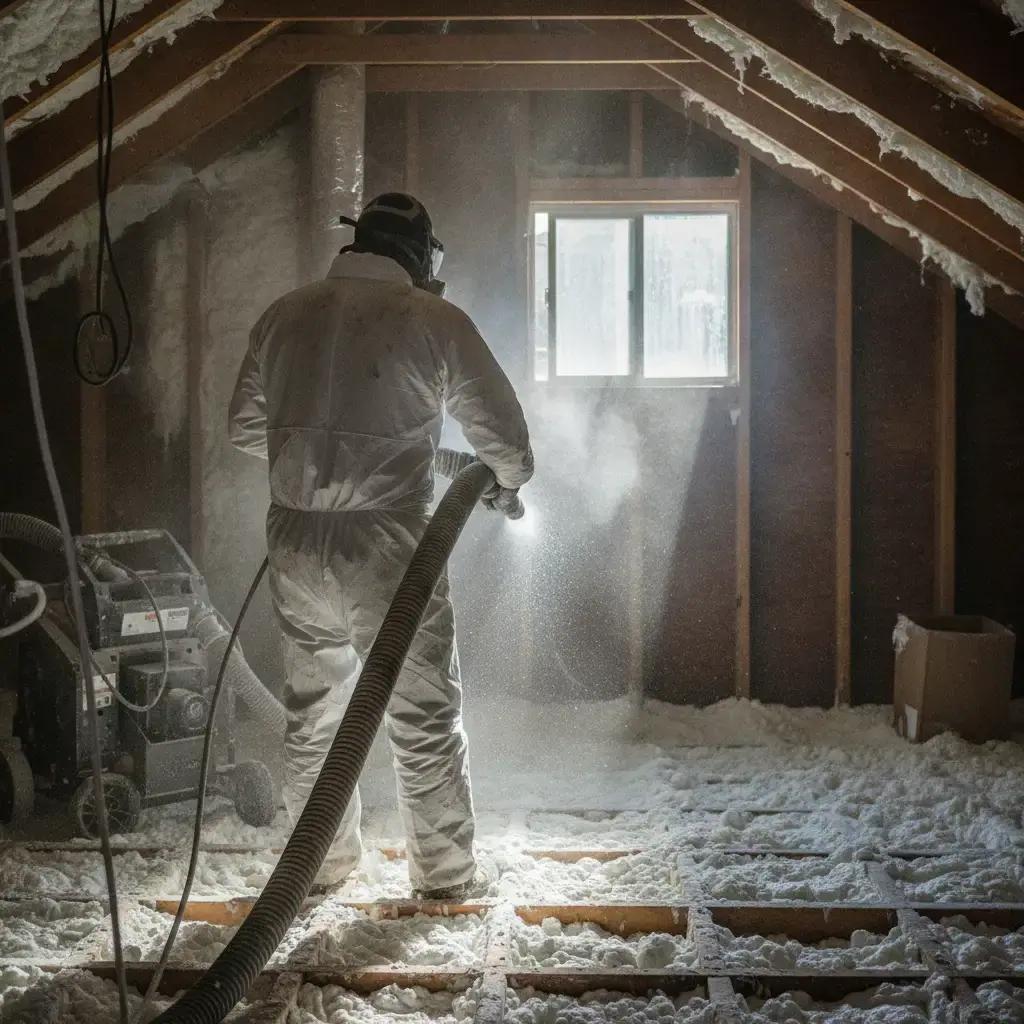
Cellulose or fiberglass loose fill blown into attic cavities is the most common approach for retrofitting existing San Diego homes. Blown-in insulation conforms to irregular attic geometries — critical in older craftsman and ranch-style homes — and can be installed quickly to achieve R-38 or higher. This method is particularly effective in National City, Lemon Grove, and older Chula Vista neighborhoods. Learn more about our blow-in insulation services
Spray Foam Insulation
Closed-cell spray polyurethane foam (SPF) applied directly to the underside of the roof deck creates a conditioned attic space, sealing air and moisture simultaneously. This method is ideal for San Diego coastal homes where marine layer humidity is a persistent concern, and for homes in Coronado and Imperial Beach with limited attic depth. Explore our spray foam insulation options
Fiberglass Batt Insulation
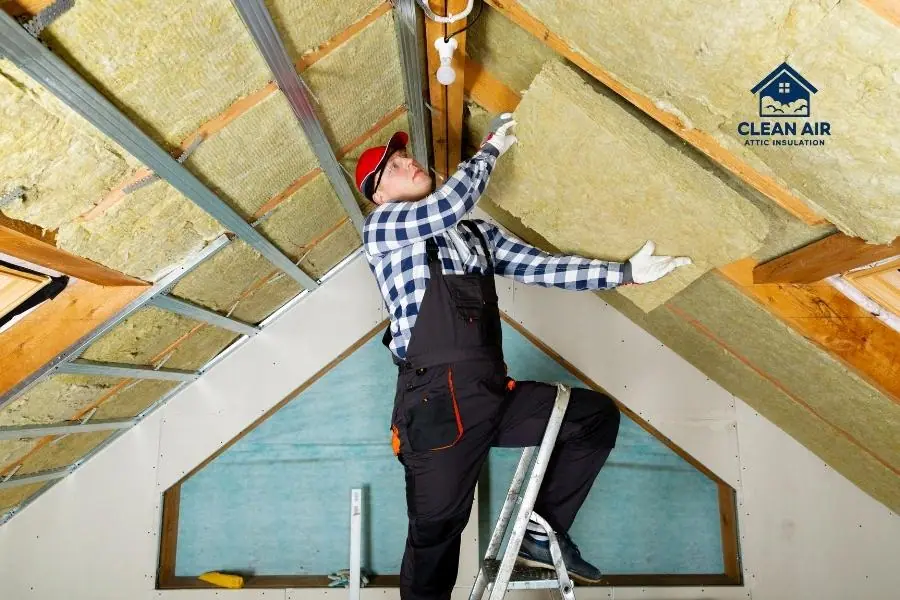
Pre-cut fiberglass batts installed between rafters suit new construction or accessible attic spaces with standard rafter spacing. Appropriate for newer Otay Mesa and eastern Chula Vista tract homes with open, accessible attic bays.
Rigid Foam Board
Polyisocyanurate or XPS foam board installed above or below roof decking provides high R-value per inch — valuable in low-slope tile roof applications common throughout Bonita and San Diego’s coastal hillside neighborhoods where attic cavity depth is limited.
Insulation Removal and Replacement
When existing insulation is contaminated, moisture-damaged, or below code standards, complete removal and replacement ensures optimal performance. Learn about our insulation removal services
Roof Insulation Cost in San Diego, CA
Roof insulation costs in San Diego vary based on home size, insulation type, existing conditions, and access complexity. Below are typical cost ranges for San Diego homeowners:
- Blown-in attic insulation: $1.50–$3.50 per square foot installed; a 1,500 sq ft attic typically costs $2,250–$5,250
- Spray foam insulation (open-cell): $1.00–$2.00 per board foot; closed-cell spray foam ranges from $2.50–$5.00 per board foot
- Fiberglass batt insulation: $0.64–$1.19 per square foot for materials; installed cost ranges $1,200–$3,500 for a typical San Diego home
- Insulation removal: $1.00–$2.00 per square foot; full attic removal for a 1,500 sq ft home averages $1,500–$3,000
- Complete removal and replacement: $3,000–$8,500 for most San Diego residential projects
Read moreShow less
San Diego-Specific Cost Factors
Labor costs in San Diego County run 15–20% higher than the national average, reflecting California’s prevailing wage environment and high cost of living. Homes in Coronado with limited attic access, or hillside properties in Bonita and La Mesa requiring specialized equipment access, may carry 10–20% project premiums. Conversely, SDG&E’s Energy Upgrade California program offers rebates of $200–$1,500 for qualifying insulation upgrades, which can meaningfully offset project costs. California also permits a federal energy efficiency tax credit of up to 30% (capped at $1,200 per year) for insulation improvements under the Inflation Reduction Act.
Contact us at (858) 360-6973 for a free, no-obligation estimate specific to your San Diego home.
San Diego Neighborhoods We Serve
Chula Vista and Bonita
Homes in Chula Vista range from 1960s tract houses with original R-11 insulation to newer master-planned community construction. Bonita’s hillside properties feature tile roofs with limited attic access, requiring specialized blown-in or spray foam approaches.
National City and Lemon Grove
These communities contain some of San Diego County’s oldest housing stock — much of it built between 1940 and 1965 with minimal or no roof insulation. Complete removal and modern replacement is frequently required.
Coronado and Imperial Beach
Coastal proximity means persistent marine layer humidity and salt air exposure. Spray foam and moisture-resistant materials are prioritized to prevent mold and corrosion in these beachside communities.
Spring Valley and La Presa
Inland eastern neighborhoods experience greater temperature extremes and historically high rates of rodent activity in attic spaces. Insulation removal, sanitation, and replacement are common project scopes here.
We also serve San Ysidro, Palm City, Otay Mesa, Egger Highlands, Otay Mesa West, Nestor, La Mesa, and surrounding communities throughout the region.
Roof Insulation Maintenance Tips for San Diego Homeowners
- Inspect your attic annually — schedule a visual check every fall before Santa Ana wind season to identify any displaced, compressed, or moisture-damaged insulation early.
- Monitor for marine layer moisture damage — after extended June Gloom periods, check attic spaces in coastal neighborhoods for condensation on rafters or musty odors indicating moisture infiltration.
- Keep attic vents clear — San Diego’s Mediterranean landscape means eucalyptus leaves, palm fronds, and dust can block soffit and ridge vents, reducing ventilation and increasing attic heat buildup.
- Seal attic access hatches — an unsealed attic hatch undermines even the best insulation system; ensure your hatch cover has weatherstripping and an insulated panel rated to at least R-30.
- Schedule post-pest inspection insulation checks — if a pest inspector confirms rodent or bird activity, have insulation assessed immediately; contaminated insulation requires professional remediation.
- Track your SDG&E bills — a sudden increase in cooling costs during San Diego summer months often signals insulation degradation before visible signs appear.
- Recheck insulation after roofing work — roof replacement projects frequently disturb or compress attic insulation; always request an insulation inspection after any roofing contractor has accessed your attic space.
Why Choose Clean Air Attic Insulation for Roof Insulation in San Diego
At Clean Air Attic Insulation, we are a San Diego-based insulation company with hands-on experience across the full spectrum of San Diego County’s residential building types — from coastal Coronado cottages to inland Spring Valley ranch homes and new construction in Otay Mesa. We understand the specific challenges posed by San Diego’s marine layer, Santa Ana wind events, and aging housing stock, and we design every insulation solution accordingly.
We offer a comprehensive menu of services — including attic insulation, spray foam insulation, blown-in insulation, crawl space insulation, crawl space encapsulation, and insulation removal and replacement — ensuring that whatever your home needs, we can deliver it in a single coordinated project.
Read moreShow less
We are committed to transparent pricing, clean jobsites, and honest assessments. We will never recommend more work than your home genuinely requires, and we help every customer identify applicable SDG&E rebates and federal tax credits to maximize the return on their investment. Call us at (858) 360-6973 to speak with a San Diego insulation specialist today.
FAQ
Frequently Asked Questions About Roof Insulation in San Diego
How much does roof insulation cost in San Diego?
Most San Diego homeowners spend between $2,500 and $8,000 for a complete roof insulation project, depending on home size, chosen insulation type, and whether old insulation removal is required. Blown-in insulation for a 1,500 sq ft attic typically ranges from $2,250 to $5,250 installed. SDG&E rebates and federal tax credits can offset 20–30% of total project costs for qualifying homeowners.
What R-value do I need for roof insulation in San Diego?
California’s Title 24 energy code specifies R-38 to R-49 for attic/roof insulation in San Diego’s climate zones (Zone 7 coastal, Zone 10 inland). Most homes built before 1980 have R-11 or less, making them significantly under-insulated by current standards.
How long does roof insulation installation take?
A standard blown-in insulation installation for a San Diego home is typically completed in one day. Projects requiring complete removal and replacement may require two days. Spray foam applications vary by scope but are generally completed within one to two days as well.
Does San Diego’s mild climate mean I don’t really need roof insulation?
This is a common misconception. San Diego roof deck temperatures regularly exceed 150°F in summer, and SDG&E electricity rates — currently averaging $0.40–$0.55 per kWh in tiered billing — mean that poor insulation translates directly into very high utility bills. Roof insulation is one of the highest-ROI home improvements available to San Diego homeowners.
Can I install roof insulation myself?
While DIY blown-in insulation is technically possible, California’s Title 24 compliance requirements, the need for proper vapor barrier installation in coastal zones, and the health risks associated with removing rodent-contaminated insulation make professional installation strongly advisable for San Diego homeowners. Improper installation can also void roofing warranties.
Does San Diego’s marine layer cause mold in attic insulation?
Yes. Coastal neighborhoods including Coronado, Imperial Beach, Nestor, and Otay Mesa West experience humidity levels above 80% during June Gloom periods. Without proper vapor control and ventilation, moisture infiltrates attic spaces and promotes mold growth in fiberglass or cellulose insulation. Professional installation includes vapor management solutions appropriate to your location.
Is there financial assistance available for insulation upgrades in San Diego?
Yes. SDG&E participates in the Energy Upgrade California program, offering rebates of $200–$1,500 for qualifying insulation improvements. Additionally, the federal Inflation Reduction Act provides a tax credit of up to 30% (capped at $1,200 per year) for insulation upgrades meeting Energy Star standards. We can help you identify which programs apply to your project.
How often should roof insulation be replaced in San Diego?
Quality blown-in or spray foam insulation has a functional lifespan of 20–30 years under normal conditions. However, San Diego-specific factors — marine layer moisture, pest activity, and Santa Ana wind events — can accelerate degradation. We recommend a professional inspection every 10 years, or immediately following any roof replacement, pest infestation, or water intrusion event.
Get a Free Roof Insulation Estimate in San Diego Today
Whether your San Diego home was built in 1955 or 2005, if your roof insulation is not performing at R-38 or higher, you are spending more than necessary on SDG&E bills every single month. Clean Air Attic Insulation provides free, no-obligation assessments for homeowners throughout San Diego, Chula Vista, National City, Coronado, Spring Valley, and all surrounding communities.
Our team is ready to inspect your attic, identify exactly what your home needs, and provide a transparent written estimate — with no pressure and no upselling. We will also identify every SDG&E rebate and federal tax credit you qualify for.
Call us now at (858) 360-6973 or reach out online to schedule your free San Diego roof insulation assessment. Start saving on energy costs and improving your home’s comfort today.
Get in touch
Find insulation help near you
Request a free estimate online or give us a call — our team will follow up quickly.
- Call us(858) 360-6973
- Visit10140 Marconi Dr, San Diego, CA 92154
- HoursMon-Sun 07:00-19:00