
Batt Insulation in San Diego, CA
Energy-Saving Batt Insulation for San Diego, CA Homes — Licensed & Insured
Need batt insulation in San Diego, CA? Clean Air Attic Insulation offers expert installation, removal & replacement. Call (858) 360-6973 for a free estimate.
Batt insulation is one of the most widely used and cost-effective insulation solutions available for residential and commercial properties. Composed of flexible panels or rolls of fibrous material — typically fiberglass or mineral wool — batt insulation is designed to fit snugly between wall studs, floor joists, and attic rafters, creating a thermal and acoustic barrier that keeps conditioned air where it belongs.
In San Diego, CA, the unique Mediterranean climate presents specific energy challenges that batt insulation is exceptionally well-suited to address. With warm, dry summers and mild but occasionally cool winters, homes across San Diego lose conditioned air through poorly insulated walls, attics, and floors at a surprisingly high rate — driving up utility bills year-round. At Clean Air Attic Insulation, we specialize in professional batt insulation installation tailored to the specific building stock, climate zones, and neighborhood conditions found throughout the greater San Diego region. Call us at (858) 360-6973 to schedule your assessment today.
Understanding Batt Insulation in San Diego
Batt insulation has been a staple of American residential construction since the mid-20th century. Originally developed as a practical alternative to loose-fill materials, fiberglass batt insulation became commercially widespread following World War II when suburban housing construction boomed across California — including in communities like Chula Vista, National City, and the expanding neighborhoods of San Diego proper. Today, batt insulation remains one of the most prevalent insulation types in U.S. homes, present in an estimated 90% of residential buildings built before 1990.
Batt insulation is manufactured in standard widths — typically 15 inches and 23 inches — to align precisely with standard stud and joist spacing of 16 inches and 24 inches on center. The material’s R-value (resistance to heat flow) varies by thickness and material type. Common configurations include:
Read moreShow less
- R-13 batts — typically 3.5 inches thick, suited for 2×4 wall cavities common in San Diego homes built before 1980
- R-19 batts — approximately 6.25 inches thick, suitable for 2×6 wall framing found in newer construction
- R-30 and R-38 batts — designed for attic floor applications where San Diego’s Title 24 energy code now mandates higher thermal resistance
In San Diego, the majority of single-family homes were constructed between the 1950s and 1990s, particularly in neighborhoods like Spring Valley, La Mesa, Lemon Grove, and Bonita. Many of these homes were originally insulated with R-11 or R-13 fiberglass batts that have since compressed, degraded, or become contaminated with moisture or pests — significantly reducing their thermal performance. Mineral wool batt insulation, while less common historically, has grown in popularity in the San Diego market due to its superior fire resistance, moisture resilience, and acoustic damping properties — important features given the region’s wildfire risk and coastal humidity levels.
Whether you are insulating a new addition, replacing deteriorated material, or upgrading an older home’s thermal envelope, batt insulation remains a versatile and economical first-line solution. Learn more about our attic insulation services to understand how batt insulation fits into a comprehensive energy efficiency strategy for your San Diego home.
Why Batt Insulation Is Needed in San Diego, CA
Year-Round Cooling Demand
San Diego experiences approximately 1,400 cooling degree days per year. While this is lower than Phoenix or Las Vegas, it is significantly higher than national averages, and air conditioning usage in San Diego homes typically runs from May through October. Attic temperatures in neighborhoods like Otay Mesa and San Ysidro — which experience more extreme inland heat than coastal communities — regularly exceed 140°F during summer afternoons. Without adequate R-38 or higher attic batt insulation, this radiant heat transfers directly into living spaces, forcing HVAC systems to work continuously and increasing monthly electricity bills by an estimated 20–30%.
The Marine Layer and Moisture Intrusion
San Diego’s famous marine layer brings elevated humidity to coastal neighborhoods including Coronado, Imperial Beach, and Nestor from May through September — a phenomenon locally known as “June Gloom.” This persistent coastal fog and morning moisture can infiltrate poorly sealed wall cavities and attic spaces, causing fiberglass batt insulation to absorb moisture, lose R-value, and develop mold over time. Mineral wool batts or vapor-faced fiberglass batts are particularly important in these coastal ZIP codes for this reason.
Seismic Activity and Structural Shifting
San Diego sits within a seismically active region. The Rose Canyon Fault, which runs directly through central San Diego, produced a magnitude 5.3 earthquake in 1986 and remains an ongoing concern identified in USGS hazard assessments. Repeated minor seismic events — several of which occur annually in the region — cause gradual structural shifting that can dislodge or compress batt insulation in wall cavities and attic knee walls, creating thermal gaps without any visible exterior signs of damage.
Aging Housing Stock
A significant portion of San Diego’s residential housing was constructed between 1950 and 1975 in communities like La Presa, Lemon Grove, and National City. Insulation installed in this era — often R-7 or R-11 fiberglass with no vapor barrier — has well exceeded its 25–30 year effective service life. Title 24 of the California Building Standards Code, updated in 2022, now requires minimum R-38 in attics for San Diego’s climate zone (Climate Zone 7 for coastal areas and Climate Zone 10 for inland areas like El Cajon and Santee). Most pre-1980 homes fall dramatically short of these standards, making batt insulation upgrades not just beneficial but necessary for compliance during renovation projects.
Wildfire Smoke and Air Quality
San Diego County has experienced multiple catastrophic wildfires, including the Cedar Fire (October 2003), the Witch Creek Fire (October 2007), and the Lilac Fire (December 2017). Beyond the direct fire risk, these events introduce heavy particulate matter into home air systems. Degraded or missing insulation allows outside air — and wildfire smoke — to infiltrate living spaces more readily. Properly installed batt insulation, combined with air sealing, creates a meaningful barrier against exterior air quality events.
Free, no-obligation estimates
Talk to Clean Air Attic Insulation
Tell us what you need and we’ll take it from there.
Signs You Need Batt Insulation in San Diego
Energy and Comfort Indicators
- Monthly SDG&E electricity bills consistently higher than $180–$220 for a 1,500–2,000 sq ft home during summer months
- Rooms that feel notably warmer or cooler than the thermostat setting — particularly second-floor bedrooms or rooms directly beneath the attic
- HVAC system running continuously during San Diego summer afternoons without reaching the set temperature
- Drafts or cold spots along exterior walls during San Diego’s cooler December–February nights
Visual and Physical Signs
- Visible gaps, thin spots, or fallen batt sections when viewing attic insulation from the access hatch
- Insulation that appears flattened, yellowed, or discolored — indicating compression or moisture damage
- Evidence of rodent activity (droppings, nesting materials) within attic batt insulation — common in San Diego’s older neighborhoods
- Water stains or dark streaking on batt insulation indicating roof leak infiltration
Health and Safety Indicators
- Musty odors in living areas — a potential sign of mold growth within moisture-saturated fiberglass batts
- Increased allergy or respiratory symptoms indoors, possibly linked to deteriorating fiberglass batt particles entering the air supply
- Visible mold on attic sheathing adjacent to compressed or wet insulation
If you recognize two or more of these signs, contact Clean Air Attic Insulation at (858) 360-6973 for a professional assessment. Learn about our insulation removal services if your current material requires full replacement.
Our process
Our Batt Insulation Installation Process in San Diego
At Clean Air Attic Insulation, we follow a structured, multi-step installation process designed specifically for San Diego’s building types and climate conditions. Here is what to expect:
- 01
Initial Home Energy Assessment (1–2 Hours)
A certified technician visits your home and conducts a comprehensive inspection of existing insulation levels, air sealing quality, and potential moisture concerns. We measure current R-values, check for pest damage, and assess whether existing material can be
- 02
Existing Insulation Removal (If Required) (2–6 Hours)
If your existing insulation is contaminated, compressed below R-11, or infested, we perform professional removal using HEPA-filtered vacuum equipment. Our insulation removal service ensures that all degraded material and associated debris are safely extracted
- 03
Air Sealing (1–3 Hours)
Before any new batt insulation is installed, we seal all penetrations, gaps around recessed lights, plumbing chases, and attic bypasses using fire-rated foam and caulk. This step is critical in San Diego’s older housing stock, where air infiltration often acco
- 04
Vapor Barrier Installation (If Applicable) (1–2 Hours)
For coastal neighborhoods like Imperial Beach, Coronado, and Nestor where marine layer humidity is highest, we install appropriate vapor retarder facings or separate poly sheeting in crawl spaces prior to batt installation.
- 05
Batt Insulation Installation (2–8 Hours Depending on Scope)
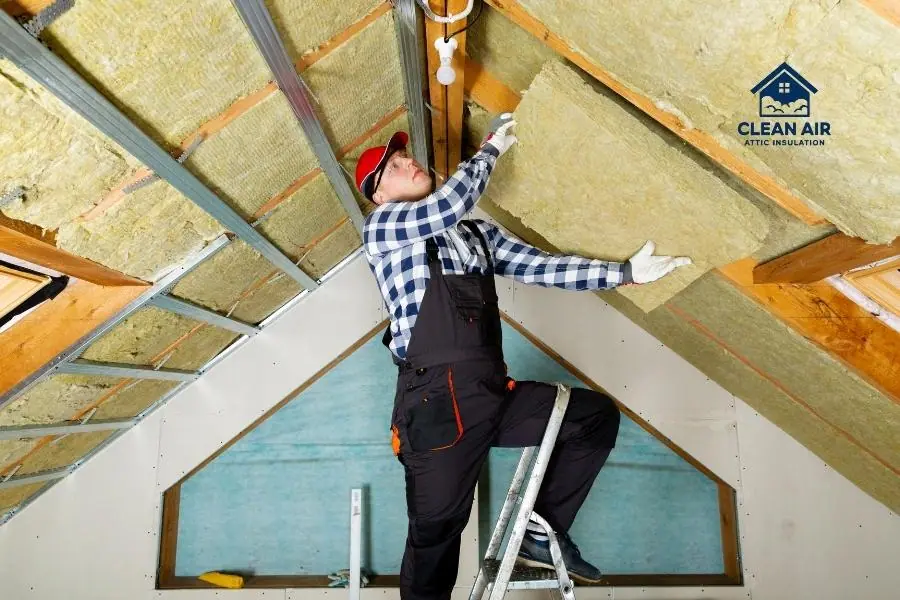
We cut and fit batts precisely to all framing cavities, ensuring full contact with all six sides of each cavity without compression or voids. In attics, we install batts between joists and add a perpendicular layer where needed to achieve Title 24 compliance (
- 06
Final Inspection and Documentation (30–60 Minutes)
We conduct a post-installation walkthrough, photograph completed work, and provide you with documentation of achieved R-values for permit records or future home sale disclosure.
Batt Insulation Methods and Approaches
Unfaced Fiberglass Batts
The most economical option, unfaced batts are ideal for interior walls for soundproofing applications, and for attic floors where a vapor barrier is not required by climate. Commonly used in inland San Diego communities like Otay Mesa West and Spring Valley where humidity levels are lower than coastal zones.
Kraft-Faced Fiberglass Batts
Kraft paper facing acts as a Class II vapor retarder and is the standard choice for exterior wall cavity insulation in San Diego’s residential construction. The facing is installed facing the warm-in-winter side (the interior) in accordance with California Building Code requirements.
Mineral Wool (Rockwool) Batts
Superior in fire resistance (non-combustible to 2,150°F), moisture resistance, and acoustic performance, mineral wool batts are increasingly specified for San Diego homes in wildfire interface zones such as those bordering Otay Mesa and areas near Chula Vista’s eastern developments. Mineral wool also maintains R-value even when slightly damp — a significant advantage in coastal microclimates.
High-Density Fiberglass Batts
At R-15 in a 2×4 cavity (compared to standard R-13), high-density batts deliver improved thermal and acoustic performance without requiring wall cavity expansion. This makes them the preferred upgrade choice in San Diego’s older homes where exterior wall replacement is not feasible. Compare with our spray foam insulation options for maximum air-sealing performance in challenging applications.
Batt Insulation Cost in San Diego
Understanding batt insulation costs helps San Diego homeowners budget accurately and evaluate competing proposals. Costs vary based on scope, material type, accessibility, and existing conditions.
Typical Cost Ranges in San Diego
- Attic batt insulation (new installation): $1.50–$2.50 per square foot installed, or approximately $1,800–$4,500 for a typical 1,500–2,000 sq ft San Diego home
- Exterior wall batt insulation (open wall renovation): $1.00–$2.00 per square foot of wall area
- Crawl space batt insulation: $2.00–$3.50 per square foot due to limited access conditions common in San Diego’s hillside properties
- Insulation removal plus replacement: Add $1.00–$1.50 per square foot for removal, totaling approximately $2,500–$6,000 for a full attic project
Read moreShow less
Factors Affecting Batt Insulation Cost in San Diego
- Attic accessibility: Homes in hillside communities like La Mesa and Bonita often have restricted attic access, increasing labor time
- Material choice: Mineral wool batts cost approximately 20–30% more than standard fiberglass but offer longer service life
- Existing contamination: Rodent or mold remediation prior to installation adds cost but is mandatory for health and code compliance
- SDG&E rebates: San Diego Gas & Electric offers Energy Upgrade California rebates of up to $1,000 for qualifying insulation upgrades — we help customers identify and apply for applicable incentives
Call (858) 360-6973 for a free, no-obligation cost estimate. Compare blow-in insulation costs as an alternative for certain attic configurations.
San Diego Neighborhoods We Serve
Chula Vista and Bonita
These communities feature a large concentration of ranch-style and split-level homes built between 1960 and 1985, most with original R-11 attic insulation. The combination of inland heat exposure and aging housing stock makes R-38 batt upgrades both a comfort necessity and a Title 24 compliance requirement for renovation permits.
National City and Lemon Grove
Among San Diego’s oldest suburban communities, National City and Lemon Grove contain significant numbers of pre-1960 homes with minimal or no wall insulation. Many feature uninsulated crawl spaces that contribute substantially to floor-level cold drafts during winter months. Our crawl space insulation services address this in combination with batt wall upgrades.
Coronado and Imperial Beach
These coastal communities present unique challenges due to salt-air exposure and year-round marine layer humidity. We specify moisture-resistant mineral wool batts and vapor-faced products in these areas to prevent the premature degradation seen with standard fiberglass in high-humidity coastal environments.
Otay Mesa and San Ysidro
Located in San Diego’s inland southern corridor, these communities experience some of the highest summer temperatures in the metro area — often 8–12°F warmer than coastal neighborhoods. High-performance R-38 and R-49 attic batt systems are strongly recommended to combat radiant heat gain in the region’s growing stock of newer production homes.
Batt Insulation Maintenance Tips for San Diego Homeowners
- Inspect annually after wildfire season (November–December): Check attic insulation for smoke particulate accumulation or ember intrusion following each fire season.
- Check for marine layer moisture damage every spring: After San Diego’s June Gloom season, visually inspect coastal-facing attic areas for dark staining or compressed batts indicating moisture absorption.
- Keep attic vents clear year-round: San Diego’s periodic Santa Ana wind events can drive debris into soffit vents — blocked vents cause moisture buildup and reduce batt insulation effectiveness.
- Monitor for rodent evidence after fall: Roof rats are common in San Diego County and commonly nest in attic fiberglass batts. Inspect for droppings or nesting material each October.
- Do not compress insulation during attic storage: Stored items placed directly on batt insulation reduce R-value — always use attic walkboards.
- Seal new penetrations promptly: Any new electrical or plumbing work through insulated assemblies should be re-sealed and insulated within 30 days.
- Schedule a professional R-value test every 10 years: Batt insulation settles and degrades over time; periodic assessment ensures your San Diego home maintains Title 24 compliance.
Why Choose Clean Air Attic Insulation in San Diego
Clean Air Attic Insulation is a locally focused insulation contractor serving homeowners and property managers throughout the greater San Diego area. Our team has direct, hands-on experience with the specific building types, climate zones, and code requirements that affect San Diego properties — from the coastal humidity challenges of Coronado and Imperial Beach to the intense radiant heat conditions of Otay Mesa and San Ysidro.
We offer comprehensive insulation services under one roof, including insulation installation, spray foam insulation, attic insulation, blow-in insulation, crawl space encapsulation, and insulation replacement — allowing us to recommend the right solution for your specific situation rather than a one-size-fits-all approach.
Read moreShow less
Every project begins with an honest, detailed assessment. We provide transparent written estimates, explain all applicable SDG&E rebate opportunities, and stand behind our work. Our goal is to improve your home’s comfort and energy efficiency in ways that are measurable and lasting. Contact us at (858) 360-6973 to get started.

FAQ
Frequently Asked Questions: Batt Insulation in San Diego
How much does batt insulation cost in San Diego?
Batt insulation installation in San Diego typically costs between $1.50 and $2.50 per square foot for attic work, and $1.00 to $2.00 per square foot for wall cavities. A full attic insulation project for an average San Diego home (1,500–2,000 sq ft) generally ranges from $1,800 to $4,500 depending on material choice, existing conditions, and accessibility. Homes requiring removal of old insulation prior to installation should budget an additional $1.00–$1.50 per square foot for that service.
What R-value do I need for batt insulation in San Diego?
California’s Title 24 Energy Code specifies minimum R-38 for attic insulation in San Diego’s Climate Zone 7 (coastal and near-coastal communities) and R-38 to R-49 for Climate Zone 10 (inland areas including portions of eastern Chula Vista and Otay Mesa). For exterior walls, R-13 minimum is required in 2×4 framing. We recommend exceeding minimum values for maximum energy savings and comfort.
How long does batt insulation installation take in San Diego?
A typical attic batt insulation project in San Diego is completed in one day — usually 4–8 hours depending on attic size, accessibility, and whether removal of existing material is required. Wall insulation for an open-wall renovation project may take 1–2 days depending on the square footage involved.
Is batt insulation or blow-in insulation better for San Diego homes?
Both have their place. Batt insulation is ideal for open wall cavities during renovation, new construction, and accessible attic floors. Blow-in (loose-fill) insulation is better suited for existing enclosed wall cavities and for topping off existing attic insulation without full removal. Learn more about our blow-in insulation service to compare options for your specific project.
Can batt insulation get moldy in San Diego’s coastal neighborhoods?
Yes. Fiberglass batt insulation is not mold-resistant itself, but it can support mold growth on its paper facing or on adjacent structural materials when moisture is present. Coastal communities like Coronado, Imperial Beach, and Nestor are most at risk due to marine layer humidity. We address this by specifying unfaced or foil-faced batts in high-humidity applications, combined with proper vapor barriers and ventilation strategies.
Will new batt insulation reduce my SDG&E electricity bills?
Yes, measurably. San Diego homeowners who upgrade from substandard R-11 attic insulation to R-38 typically report 15–25% reductions in cooling-season electricity costs. SDG&E’s own Energy Upgrade California program estimates annual savings of $200–$400 for qualifying San Diego homes following insulation upgrades — and rebates of up to $1,000 may further offset installation costs.
Do you serve areas outside of central San Diego?
Yes. Clean Air Attic Insulation serves a broad service area throughout San Diego County, including San Ysidro, Palm City, Otay Mesa, Egger Highlands, Otay Mesa West, Nestor, Bonita, Chula Vista, Coronado, Imperial Beach, La Mesa, La Presa, Lemon Grove, National City, and Spring Valley.
Is a permit required for batt insulation installation in San Diego?
In most cases, replacing or adding insulation in existing homes does not require a building permit in the City of San Diego or incorporated communities within San Diego County. However, insulation work performed as part of a larger renovation — such as a room addition or HVAC replacement — may trigger Title 24 compliance documentation. We advise clients on permit requirements specific to their project scope and jurisdiction.
Get a Free Batt Insulation Estimate in San Diego Today
If your San Diego home is uncomfortable, your energy bills are climbing, or your insulation is outdated, deteriorated, or contaminated — Clean Air Attic Insulation is ready to help. Our team serves homeowners throughout San Diego County, from Coronado and Imperial Beach to Otay Mesa, Chula Vista, La Mesa, and beyond.
We provide honest assessments, transparent pricing, and professional installation backed by local expertise. Whether you need a full attic batt insulation upgrade, wall cavity insulation for an open renovation, or a complete insulation removal and replacement, we have the experience and equipment to get it done right.
Call us today at (858) 360-6973 to schedule your free, no-obligation home insulation assessment. Comfortable, energy-efficient living in San Diego starts with a single call.
Get in touch
Find insulation help near you
Request a free estimate online or give us a call — our team will follow up quickly.
- Call us(858) 360-6973
- Visit10140 Marconi Dr, San Diego, CA 92154
- HoursMon-Sun 07:00-19:00