
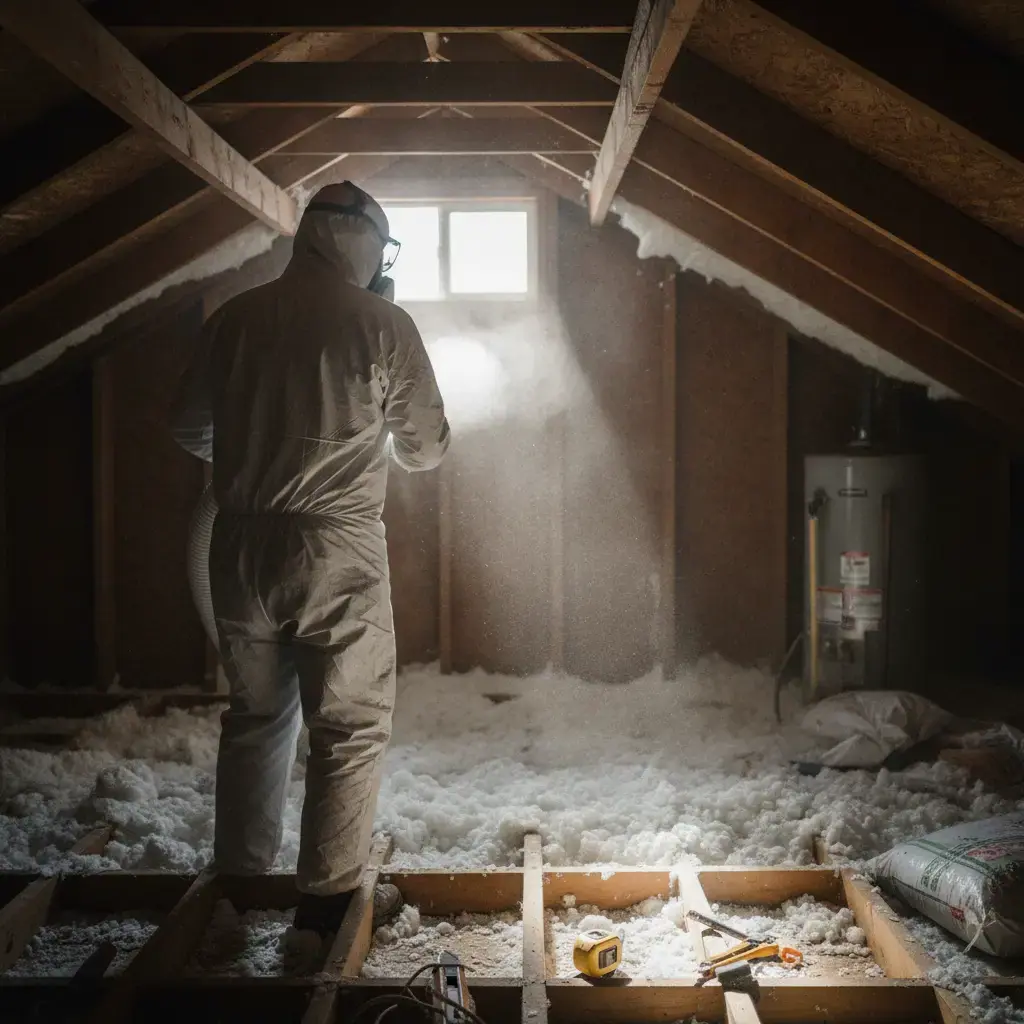
Garage Insulation in San Diego, CA
Energy-Saving Garage Insulation for San Diego, CA Homes — Licensed & Insured
Need garage insulation in San Diego, CA? Clean Air Attic offers spray foam, blown-in & batt insulation for all San Diego neighborhoods. Call (858) 360-6973 for a free quote.
Garage insulation is the process of installing thermal and moisture barriers in your garage walls, ceiling, and door to regulate temperature, reduce energy loss, and improve comfort throughout your home. In San Diego, CA, where coastal marine layer, inland heat spikes, and year-round mild-but-variable conditions create unique thermal challenges, proper garage insulation is more important than many homeowners realize.
At Clean Air Attic Insulation, we specialize in garage insulation solutions tailored to San Diego’s distinct microclimates — from the humid coastal zones of Coronado and Imperial Beach to the drier, hotter inland neighborhoods like Spring Valley and La Mesa. Whether your garage is attached to your living space or a standalone structure, our team delivers expert insulation installation designed to maximize comfort, lower utility bills, and protect your home year-round.
Call us today at (858) 360-6973 to schedule your free garage insulation assessment in San Diego.

Understanding Garage Insulation in San Diego, CA
Garage insulation involves placing insulating materials — such as spray foam, fiberglass batts, blown-in cellulose, or rigid foam boards — within the structural cavities of your garage to slow the transfer of heat, cold, and moisture. For most San Diego homeowners, the garage represents one of the largest uninsulated or under-insulated spaces in the home, often accounting for significant energy loss through shared walls, ceilings, and poorly sealed doors.
Historically, residential construction throughout San Diego County — particularly in the rapid suburban expansion periods of the 1950s through the 1980s — prioritized speed over energy efficiency. Neighborhoods like National City, Lemon Grove, and La Mesa contain large concentrations of mid-century homes where garages were treated primarily as storage and vehicle spaces, not as thermally integrated parts of the home envelope. As a result, millions of square feet of San Diego garage space remain uninsulated or insulated with outdated, degraded materials that no longer meet modern performance standards.
Read moreShow less
The function of garage insulation goes beyond comfort. In an attached garage, an uninsulated shared wall between the garage and the living room, bedroom, or kitchen creates a direct pathway for heat gain in summer and heat loss in winter. San Diego’s diurnal temperature swings — particularly in inland ZIP codes like 91977 (Spring Valley) and 91941 (La Mesa), where temperatures can fluctuate 30–40°F between morning and afternoon — mean that garages without insulation act as thermal buffers that work against your HVAC system.
Modern garage insulation systems are designed to address multiple building types: single-story ranch homes, two-story residences with garage-top living spaces, converted garages used as ADUs (Accessory Dwelling Units), and standalone detached garages. San Diego’s booming ADU market — with thousands of permits issued annually since 2020 — has made proper garage insulation more relevant than ever, as converted garage spaces require robust thermal performance to qualify as habitable living areas under California Title 24 energy standards.
Understanding which insulation method suits your garage type, construction era, and neighborhood microclimate is the foundation of effective, long-lasting results. Learn more about our full range of insulation services
Why Garage Insulation Is Needed in San Diego, CA
San Diego’s Marine Layer and Coastal Humidity
The marine layer — the dense, low-altitude fog system that rolls in from the Pacific Ocean — affects coastal neighborhoods including Coronado, Imperial Beach, Nestor, and Otay Mesa West for an average of 100–120 days per year, most intensely between May and September (locally known as “June Gloom”). This persistent moisture infiltrates uninsulated garage walls, promoting mold growth, wood rot, and drywall deterioration. Fiberglass insulation that becomes saturated with moisture loses up to 40% of its thermal resistance (R-value), meaning garages insulated decades ago may be providing near-zero protection today.
Inland Heat Events and Urban Heat Island Effect
Inland San Diego neighborhoods like Spring Valley, La Presa, and Bonita regularly experience summer temperatures between 95°F and 108°F during Santa Ana wind events and late-summer heat waves. The National Weather Service has recorded multiple excessive heat warnings for inland San Diego County in recent years, including prolonged heat events in August 2020 and September 2022 where temperatures in the 91977 ZIP code exceeded 105°F for multiple consecutive days. An uninsulated garage in these areas can reach interior temperatures of 130°F or more, radiating heat directly into adjacent living spaces and forcing air conditioning systems to work significantly harder — increasing cooling costs by an estimated 20–30%.
Santa Ana Wind Conditions and Air Infiltration
Santa Ana wind events, which typically occur between October and March, bring hot, dry, fast-moving air from the inland desert regions into San Diego’s coastal and mid-city neighborhoods. Wind speeds during major events — such as the October 2007 Witch Creek Fire and the December 2021 Cedar Fire-level conditions — can exceed 80 mph in canyon-adjacent neighborhoods like Lemon Grove and La Mesa. These pressure events force air infiltration through uninsulated garage walls and ceiling gaps at a dramatically accelerated rate, compounding energy loss and driving dust and particulate matter into living spaces.
California Title 24 Compliance and ADU Conversions
California’s Title 24 Building Energy Efficiency Standards, updated in 2022, require minimum R-13 insulation in walls and R-19 to R-38 in ceilings for conditioned spaces. San Diego’s booming ADU market means that garages converted to living spaces must meet these standards. Failing to insulate properly during conversion not only creates comfort and energy problems but can also result in failed inspections and costly retrofits.
Pest Intrusion Through Uninsulated Gaps
San Diego County is home to several invasive pest species — including the Argentine ant, subterranean termites, and roof rats — that commonly enter homes through uninsulated garage wall cavities and ceiling gaps. Spray foam insulation, in particular, seals entry points that open-cell and batt insulation cannot address, providing both thermal and pest-exclusion benefits specific to Southern California’s pest pressure environment.
Free, no-obligation estimates
Talk to Clean Air Attic Insulation
Tell us what you need and we’ll take it from there.
Signs You Need Garage Insulation in San Diego
Temperature and Comfort Indicators
- Garage interior feels excessively hot (above 100°F) during summer afternoons even with the door closed
- Rooms adjacent to the garage — especially bedrooms above the garage or living rooms sharing a garage wall — feel noticeably warmer or cooler than the rest of the home
- Your HVAC system runs continuously during mild San Diego weather conditions
Moisture and Air Quality Indicators
- Visible condensation on garage walls or ceiling during coastal fog season (May through September)
- Musty or mildew odors in the garage or in adjacent rooms
- Visible mold growth on drywall, wood framing, or stored items
- Dust infiltration from garage into living spaces during Santa Ana wind events
Energy and Structural Indicators
- SDG&E utility bills consistently higher than neighbors in comparable homes
- Existing insulation appears compressed, discolored, or water-stained
- Visible gaps around garage door frames, vents, or where the garage ceiling meets the wall
- Home was built before 1980 and garage insulation has never been inspected or replaced
If you notice two or more of these symptoms, a professional insulation assessment is strongly recommended before conditions worsen heading into peak summer heat season.
Our process
Our Garage Insulation Process in San Diego
- 01
Free On-Site Assessment (1–2 Hours)
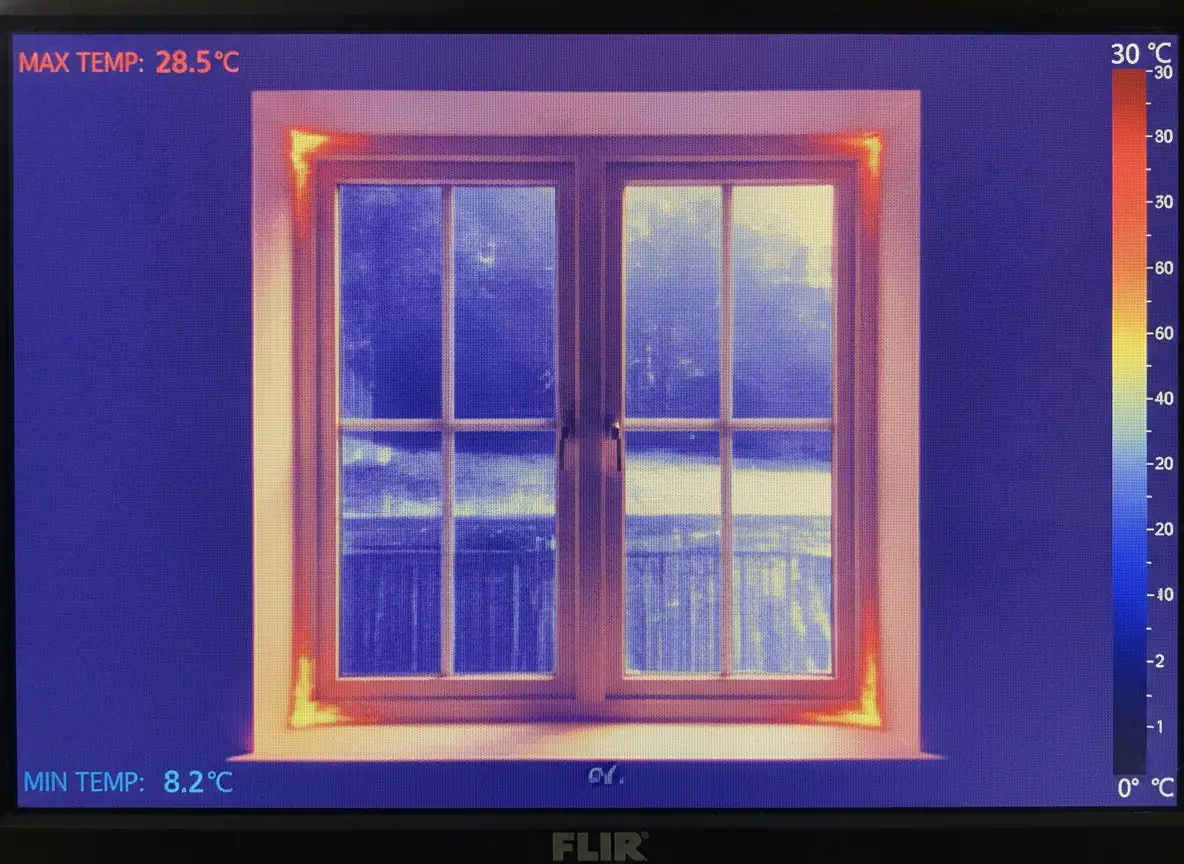
Our insulation specialists conduct a full evaluation of your garage, including wall cavity inspection, ceiling and door assessment, and identification of air infiltration points. We use thermal imaging tools to locate hidden heat pathways unique to your home’s
- 02
Custom Insulation Plan and Material Selection (Same Day)
Based on the assessment, we develop a tailored insulation plan that accounts for your garage’s construction type, your neighborhood’s climate zone (San Diego spans ASHRAE Climate Zones 3B and 6), and your goals — whether energy savings, noise reduction, ADU co
- 03
Preparation and Old Insulation Removal (Half Day to Full Day)
If existing insulation is degraded, moisture-damaged, or contaminated, we safely remove it before installation. Our insulation removal service includes proper disposal in accordance with California environmental regulations. We seal and prep all surfaces befor
- 04
Insulation Installation (Half Day to Full Day)
Depending on the selected method — spray foam, blown-in cellulose, fiberglass batts, or rigid foam — our certified installers complete the installation with attention to coverage uniformity, vapor barrier placement appropriate for San Diego’s mixed humidity co
- 05
Garage Door Insulation and Air Sealing (1–2 Hours)
We address the garage door itself — often the single largest source of heat gain — with appropriate insulation kits or replacement panels rated for Southern California conditions, along with bottom seal and weather stripping installation.
- 06
Post-Installation Thermal Verification (30–60 Minutes)
We conduct a final thermal scan to confirm consistent R-value coverage, identify any missed gaps, and document results. You receive a written summary of completed work, materials used, and R-values achieved — documentation useful for California Title 24 compli
- 07
Cleanup and Client Walkthrough
We restore your garage to its pre-work condition, conduct a full client walkthrough, and answer questions about maintaining your new insulation system in San Diego’s climate.
Garage Insulation Methods and Approaches
Spray Foam Insulation
Spray polyurethane foam (SPF) is applied as a liquid that expands to fill wall cavities, ceiling gaps, and penetrations. Open-cell foam (R-3.7 per inch) provides excellent sound dampening — ideal for garages used as workshops or music spaces. Closed-cell foam (R-6.5 per inch) provides superior moisture resistance and structural rigidity, making it the preferred choice for coastal San Diego neighborhoods like Nestor and Otay Mesa West where marine layer humidity is a persistent concern. Learn more about our spray foam insulation services
Blown-In Cellulose Insulation
Blown-in cellulose is made from recycled paper treated with borate-based fire and pest retardants. It is particularly effective for filling existing wall cavities without demolition — a major advantage for mid-century Lemon Grove or National City homes where preserving original drywall is desirable. Achieves R-13 to R-15 in standard 2×4 wall cavities. Explore our blow-in insulation options
Fiberglass Batt Insulation
Pre-cut fiberglass batts are installed between wall studs and ceiling joists in open-framed garages during new construction or full renovation. Cost-effective and widely used, though performance degrades in high-humidity coastal zones without proper vapor barrier installation.
Rigid Foam Board Insulation
Polyisocyanurate or XPS rigid boards are applied directly to garage walls and ceilings, providing high R-values (R-6 to R-8 per inch) in thin profiles. Ideal for finished garages with limited wall cavity depth and for insulating garage doors to achieve a minimum R-8 rating recommended for San Diego’s climate zone.
Garage Insulation Cost in San Diego, CA
Garage insulation costs in San Diego vary based on garage size, insulation method, existing conditions, and the scope of air sealing required. Below are typical price ranges for our service area:
Typical Cost Ranges
- Single-car garage (approximately 200–250 sq ft wall/ceiling area): $800 – $1,800
- Two-car garage (approximately 400–500 sq ft wall/ceiling area): $1,500 – $3,500
- Garage door insulation kit installation: $150 – $600 per door
- Spray foam (closed-cell) upgrade: Adds $0.50 – $1.50 per square foot over standard batt pricing
- Old insulation removal prior to replacement: $300 – $900 depending on material type and volume
Factors That Affect Cost in San Diego
- Coastal vs. inland location: Coastal garages in Coronado or Imperial Beach may require moisture-resistant closed-cell foam at a premium over standard materials
- ADU conversion compliance: Meeting California Title 24 R-value requirements for habitable spaces adds scope and cost
- Home age: Pre-1978 homes may require testing for asbestos or lead in existing materials before removal
- Garage door type and size: Oversized or custom doors require specialized insulation solutions
Read moreShow less
San Diego homeowners may also be eligible for rebates through SDG&E’s energy efficiency programs, which can offset $100–$500 or more of insulation upgrade costs. Ask our team about current incentive programs during your free assessment.
For a precise quote, call us at (858) 360-6973 or request an in-home estimate.
Garage Insulation Service Areas in San Diego
Chula Vista and Bonita
These rapidly growing suburban communities include a mix of 1970s–1990s tract homes and newer 2000s construction. Many older Chula Vista garages lack proper vapor barriers, and the inland heat exposure during summer creates significant thermal comfort challenges. We frequently service attached two-car garages in this corridor where cooling costs are a primary homeowner concern.
Coronado and Imperial Beach
These coastal peninsula communities face the most intense marine layer moisture exposure in our service area. Insulation in Coronado and Imperial Beach garages must account for salt air corrosion and persistent humidity. Closed-cell spray foam is our most commonly recommended solution for these ZIP codes (91118, 91932).
La Mesa and Lemon Grove
Dense mid-century neighborhoods with large numbers of 1950s–1960s homes where original garage insulation — if present at all — is long overdue for replacement. We perform significant blown-in cellulose retrofits in these communities to avoid drywall removal in historically intact homes.
National City and San Ysidro
High-density residential areas with older housing stock where garages are frequently converted to ADUs. Title 24 compliance is a common driver of insulation projects in these neighborhoods. Ask about our crawl space insulation services for complete home efficiency
Garage Insulation Maintenance Tips for San Diego Homeowners
- Inspect annually during October: Before Santa Ana season begins, check for gaps around the garage door frame, wall penetrations, and any areas where insulation may have shifted or settled.
- Check garage door seals after summer: San Diego’s UV intensity degrades rubber weather stripping faster than in most U.S. cities. Replace bottom seals and side gaskets every 3–5 years.
- Monitor for moisture after June Gloom season: In late September, inspect walls and ceiling for any signs of condensation, staining, or musty odors that developed during the marine layer season.
- Keep attic vents clear: If your garage has attic-style ceiling space, ensure vents are free of debris to maintain proper airflow and prevent moisture accumulation.
- Address pest activity immediately: Signs of rodent or ant activity in garage walls can indicate insulation damage. Contact a professional promptly to prevent further degradation.
- Avoid storing wet items: In coastal San Diego homes, bring damp equipment (surfboards, wetsuits, kayaks) to a dedicated drying area rather than leaving them against insulated walls.
- Re-evaluate after major Santa Ana events: High-wind events can dislodge weather stripping and open gaps in previously sealed areas. A visual post-event check takes only minutes and prevents larger problems.
Why Choose Clean Air Attic Insulation for Garage Insulation in San Diego?
Clean Air Attic Insulation is a locally rooted insulation company serving San Diego homeowners from San Ysidro to Coronado and every neighborhood in between. Our team understands the distinct microclimates, building eras, and regulatory requirements that make San Diego garage insulation a specialized discipline — not a one-size-fits-all service.
We offer a comprehensive range of insulation services including spray foam insulation, blown-in insulation, attic insulation, crawl space encapsulation, and insulation removal and replacement — meaning we can address your entire home’s thermal envelope in a single relationship with one trusted contractor.
We provide honest, transparent assessments and written documentation of all completed work. Our service area covers all of San Diego County’s major residential communities, and our team is reachable and responsive to San Diego homeowners throughout the entire project lifecycle.
Call (858) 360-6973 today to speak with a San Diego garage insulation specialist.
FAQ
Frequently Asked Questions: Garage Insulation in San Diego, CA
How much does garage insulation cost in San Diego?
The cost for garage insulation in San Diego typically ranges from $800 to $3,500 depending on garage size, insulation type, and any necessary removal of old materials. Coastal homes may incur slightly higher costs due to the need for moisture-resistant materials like closed-cell spray foam. Call us at (858) 360-6973 for a free, no-obligation estimate.
How long does garage insulation installation take in San Diego?
Most standard single or two-car garage insulation projects are completed in one day. Larger projects involving full insulation removal, ADU conversion compliance work, or specialty spray foam applications may require two days. We provide a timeline estimate during your initial assessment.
Do I need a permit for garage insulation in San Diego?
In most cases, standard garage insulation installation does not require a permit in the City of San Diego or surrounding jurisdictions. However, if you are converting your garage into an ADU or conditioned living space, a building permit and Title 24 energy compliance documentation will be required. Our team can assist with documentation for these projects.
What is the best type of insulation for a San Diego coastal garage?
For garages in coastal neighborhoods like Coronado, Imperial Beach, and Nestor, closed-cell spray foam insulation is typically the best choice. Its impermeability to moisture makes it resistant to the persistent humidity associated with San Diego’s marine layer, and it provides the highest R-value per inch of any commonly available insulation material.
Can I insulate my garage myself in San Diego?
DIY garage insulation is possible for basic fiberglass batt installation in open-framed walls. However, spray foam insulation requires professional equipment and training, blown-in insulation requires specialized blowing machines, and proper air sealing requires thermal imaging verification. For California Title 24 compliance or insurance documentation purposes, professionally installed and documented insulation is strongly recommended.
Will garage insulation really lower my SDG&E bills?
Yes. In attached garages, insulating the shared wall and ceiling between the garage and living space typically reduces HVAC runtime by 15–25% in San Diego’s climate, translating to measurable SDG&E savings. The payback period for most San Diego garage insulation projects is 3–7 years, after which the energy savings represent net financial gain.
Does Clean Air Attic Insulation serve my neighborhood?
We serve all major San Diego County communities including San Ysidro, Palm City, San Diego, Otay Mesa, Egger Highlands, Otay Mesa West, Nestor, Bonita, Chula Vista, Coronado, Imperial Beach, La Mesa, La Presa, Lemon Grove, National City, and Spring Valley. If you are unsure whether we serve your area, call us at (858) 360-6973 and we will confirm.
How do I know if my existing garage insulation needs to be replaced?
Key indicators include visible compression, discoloration, or water staining on existing insulation; musty odors in the garage or adjacent rooms; rooms next to the garage that are consistently uncomfortable; and homes built before 1990 where insulation has never been inspected. Our free thermal imaging assessment can identify degraded areas that are invisible to the naked eye.
Get a Free Garage Insulation Estimate in San Diego Today
Don’t let San Diego’s summer heat, marine layer moisture, or Santa Ana wind seasons compromise your home’s comfort and energy efficiency for another year. Clean Air Attic Insulation is ready to deliver expert garage insulation solutions tailored specifically to your neighborhood, your home’s construction, and your goals.
Whether you’re in Chula Vista, Coronado, Spring Valley, or anywhere else in the San Diego area, our team provides professional assessments, transparent pricing, and quality workmanship you can rely on.
Call us now at (858) 360-6973 to schedule your free on-site garage insulation assessment. We serve all of San Diego County and are ready to help you achieve a more comfortable, energy-efficient home — starting with your garage.
Request a Free Estimate Online
Get in touch
Find insulation help near you
Request a free estimate online or give us a call — our team will follow up quickly.
- Call us(858) 360-6973
- Visit10140 Marconi Dr, San Diego, CA 92154
- HoursMon-Sun 07:00-19:00