

Duct Insulation in San Diego, CA
Energy-Saving Duct Insulation for San Diego, CA Homes — Licensed & Insured
Expert duct insulation in San Diego, CA. Clean Air Attic serves Chula Vista, National City, Imperial Beach & more. Call (858) 360-6973 for a free quote.
Duct insulation is the process of wrapping or encasing your HVAC air distribution system with thermal and moisture-resistant materials to prevent energy loss, condensation, and temperature inconsistencies throughout your home or commercial building. In San Diego’s unique Mediterranean climate — where coastal marine layers clash with inland heat that regularly exceeds 90°F — uninsulated or poorly insulated ducts can waste up to 30% of your conditioned air before it ever reaches a living space.
At Clean Air Attic Insulation, we specialize in professional duct insulation services tailored specifically to San Diego County’s building stock, climate zones, and energy code requirements. From the salt-air environments of Coronado and Imperial Beach to the dry, canyon-adjacent neighborhoods of Otay Mesa, our experienced team delivers solutions that reduce utility bills, improve indoor comfort, and extend the life of your HVAC equipment. Call us today at (858) 360-6973 to schedule your assessment.
Understanding Duct Insulation
Air ducts are the circulatory system of your home’s heating, ventilation, and air conditioning (HVAC) setup. They carry conditioned air from your central air handler or furnace to every room in the building. When those ducts run through unconditioned spaces — attics, crawl spaces, garages, or interior wall cavities — the air inside them is subject to significant temperature exchange with the surrounding environment. Duct insulation creates a thermal barrier that keeps that air at its intended temperature from source to destination.
Historically, residential construction in San Diego County from the post-World War II era through the 1970s relied on uninsulated or minimally insulated sheet metal ductwork. Tract home communities that expanded rapidly across Chula Vista, National City, and Spring Valley during the 1950s and 1960s were built under energy codes that didn’t mandate duct insulation at all. It wasn’t until California’s Title 24 Building Energy Efficiency Standards began tightening requirements in the 1990s and 2000s that modern duct insulation practices became standard.
Read moreShow less
Today, duct insulation materials typically fall into a few main categories: fiberglass batt wrap, flexible duct with integrated insulation, rigid foam board, and spray foam. Each carries an R-value rating — a measure of thermal resistance. California’s Title 24 currently mandates a minimum of R-6 for ducts in unconditioned attic spaces, and R-8 for certain high-performance applications. Given San Diego’s attic temperatures, which can exceed 140°F in summer months in neighborhoods like Otay Mesa East and Bonita, meeting or exceeding these minimums is essential for system efficiency.
Beyond thermal performance, duct insulation also serves as a vapor barrier. In coastal areas of San Diego — including Coronado, Imperial Beach, and the communities near Mission Bay — elevated relative humidity levels increase the risk of condensation forming on cold duct surfaces. That moisture, left unchecked, can lead to mold growth inside ductwork and within attic cavities. Proper insulation prevents this condensation cycle entirely.
Understanding duct insulation also means recognizing where ducts are most vulnerable. Studies by Lawrence Berkeley National Laboratory have found that the average U.S. home loses 20–30% of conditioned air through duct leaks and thermal losses combined. In California’s coastal and inland climates, that figure translates directly to higher SDG&E bills and unnecessary carbon emissions.
Why Duct Insulation Is Needed in San Diego, CA
San Diego’s Extreme Attic Temperatures
Despite the city’s reputation for mild weather, San Diego attics become thermal ovens during summer. In inland neighborhoods like Otay Mesa, Bonita, and Spring Valley, attic temperatures routinely climb to between 130°F and 160°F from June through October. When uninsulated supply ducts carrying 55°F air from your air conditioner pass through a 140°F attic, the heat transfer is immediate and dramatic. Studies estimate that for every 10°F of temperature differential across an uninsulated duct wall, you lose approximately 2–4% of cooling efficiency per 10 linear feet of duct. In a typical 1,800-square-foot San Diego home with 80 linear feet of attic ductwork, that translates to a 16–32% efficiency loss before the air ever reaches a register.
The Marine Layer and Coastal Humidity
San Diego’s iconic “June Gloom” — a persistent coastal marine layer that extends from roughly May through July and sometimes into early August — creates elevated relative humidity levels along the coast. In communities like Imperial Beach, Coronado, and the western portions of Chula Vista, outdoor relative humidity levels can remain at 80–90% during morning hours for weeks at a time. When cool duct surfaces pass through warm, humid attic or crawl space air, condensation forms on the outside of the ductwork. This moisture accumulates, saturates unprotected duct insulation, promotes mold growth, and can drip into ceiling materials below. The marine layer conditions that make San Diego’s coast so livable also make vapor-resistant duct insulation a critical protective layer for any home within 5 miles of the Pacific shoreline.
Santa Ana Wind Events and Rapid Temperature Swings
San Diego County experiences Santa Ana wind events most intensively from October through March. During these events — such as the major wind events of December 2011, October 2017, and January 2021 — temperatures in inland communities can spike 20–30°F within a matter of hours, with relative humidity dropping below 10%. These rapid thermal swings stress ductwork materials, cause expansion and contraction at joint connections, and accelerate the deterioration of aging duct insulation. Homes in canyon-adjacent neighborhoods such as La Mesa, Lemon Grove, and Spring Valley are particularly exposed to these thermal cycling events, which over years can crack flexible duct insulation jackets and separate duct connections entirely.
Aging Housing Stock and Pre-Code Construction
A substantial portion of San Diego County’s residential housing stock was constructed between 1945 and 1980. Neighborhoods like National City, La Presa, Nestor, and Egger Highlands contain high concentrations of homes built before modern energy codes were enacted. Many of these properties still have their original sheet metal ductwork with no insulation at all, or with deteriorated fiberglass wrap that has compressed to near-zero R-value. A compressed 2-inch fiberglass wrap that originally provided R-6 may deliver only R-1 or R-2 after 30–40 years of compression and moisture exposure — providing almost no thermal protection.
SDG&E Rate Structures and Energy Costs
San Diego Gas & Electric customers pay some of the highest electricity rates in the continental United States, with residential rates in 2024 reaching over $0.40 per kWh in the highest usage tiers. Inefficient duct systems that force air conditioning units to run longer to compensate for thermal losses directly amplify these high per-unit costs. Properly insulated ducts reduce HVAC runtime by 15–25% in typical San Diego homes, translating to measurable monthly savings on SDG&E bills.
Free, no-obligation estimates
Talk to Clean Air Attic Insulation
Tell us what you need and we’ll take it from there.
Signs You Need Duct Insulation in San Diego
Comfort and Temperature Problems
- Rooms that are consistently 5–10°F warmer or cooler than the thermostat setting
- Upstairs rooms that never reach the same comfort level as downstairs spaces during summer
- Hot or cold spots in specific rooms, particularly those far from the air handler
- Air coming from registers that doesn’t feel as cool or as warm as expected
Energy and Utility Bill Indicators
- SDG&E bills that have increased significantly without a change in usage habits
- Air conditioning running almost continuously during San Diego’s summer months
- HVAC system cycling on and off more frequently than it used to
Visible and Physical Symptoms
- Duct insulation that appears torn, compressed, wet, or completely missing in attic or crawl space
- Visible condensation or water staining on duct surfaces or surrounding ceiling materials
- Musty odors coming from supply registers — a sign of mold growth inside or around ducts
- Dusty or dirty air at registers, indicating duct leaks drawing in attic particulates
Urgency Indicators
If you notice condensation on ducts, visible mold, or water staining near duct runs, these are urgent situations that require immediate professional evaluation. Mold in ductwork can circulate spores throughout your living spaces and poses health risks, particularly for children and elderly residents.
Duct Insulation Methods and Approaches
Fiberglass Duct Wrap
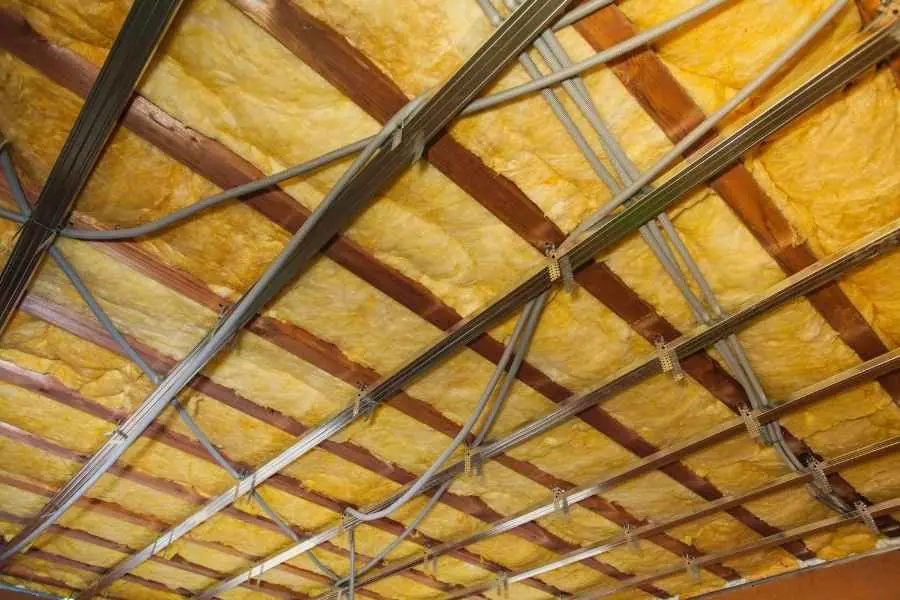
The most widely used method for existing ductwork, fiberglass duct wrap is applied in 2-inch or 3-inch thickness (R-6 to R-8) around existing sheet metal ducts. It’s cost-effective and widely available, making it a standard choice for older San Diego homes in La Mesa, Lemon Grove, and Spring Valley that have original metal duct systems. It must be properly secured and vapor-jacketed to perform correctly in coastal environments.
Pre-Insulated Flexible Duct Replacement
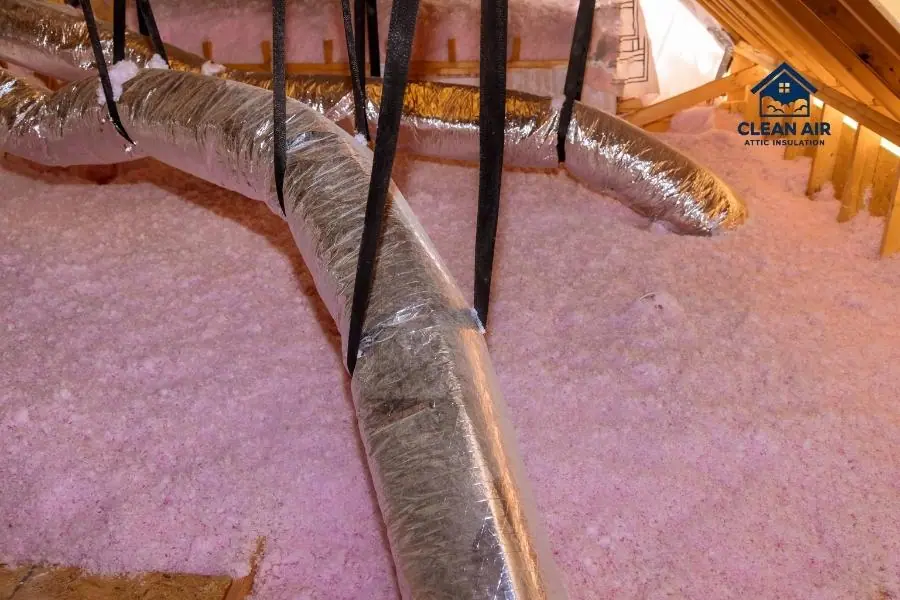
In cases where existing flexible ductwork has collapsed sections, significant leakage, or deteriorated insulation jackets, complete replacement with new pre-insulated flex duct (R-6 or R-8) is the most effective solution. This is frequently the right approach in Chula Vista and Bonita homes from the 1970s–1990s where flex duct has aged beyond practical repair.
Rigid Foam Board Insulation
For rectangular sheet metal duct systems in tight attic spaces, rigid polyisocyanurate or XPS foam board is cut and adhered directly to duct surfaces, achieving R-values of R-6 to R-13. This method is particularly effective in commercial buildings and larger residential properties in San Diego’s Otay Mesa business corridors.
Spray Foam Insulation for Duct Encapsulation
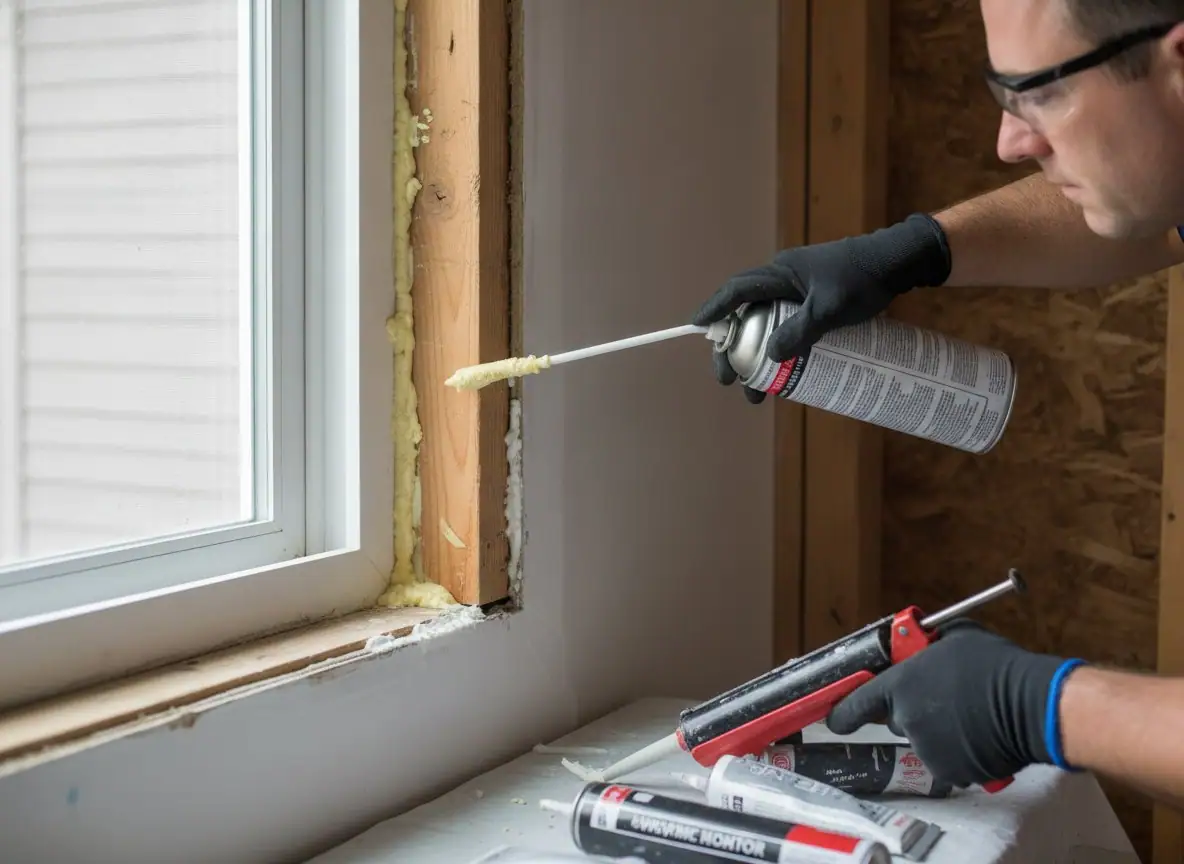
In crawl spaces and enclosed areas, spray foam insulation can be applied around ductwork to simultaneously insulate and air-seal duct systems. This is especially effective in the older pier-and-beam homes found in Coronado and the beach communities where crawl spaces expose ducts to cold, humid air. crawl space insulation combined with duct insulation delivers maximum efficiency gains in these settings.
Duct System Encapsulation with Crawl Space Conditioning
For homes where ducts run extensively through crawl spaces, crawl space encapsulation — sealing the crawl space entirely and conditioning it — can effectively protect ducts by eliminating the hostile environment around them. This integrated approach is gaining popularity in Imperial Beach and Nestor properties with significant moisture challenges.
Duct Insulation Cost in San Diego, CA
Understanding duct insulation costs in San Diego helps homeowners plan appropriately and evaluate quotes accurately. Pricing varies based on several factors specific to our market.
Typical Cost Ranges
- Basic duct wrap on existing metal ducts (1,200–1,800 sq ft home): $800–$1,800
- Full flexible duct replacement with insulation (1,200–1,800 sq ft home): $1,500–$3,500
- Duct sealing plus insulation (combined project): $1,200–$2,800
- Crawl space duct insulation with vapor barrier: $1,000–$2,500
- Commercial duct insulation projects: $3,000–$15,000+ depending on system size
Factors That Affect Your Cost
- Attic or crawl space accessibility: Tight attic clearances common in San Diego’s 1950s–1960s-era homes in National City and La Presa increase labor time.
- Duct system age and condition: Extensive pre-existing duct deterioration requiring insulation removal before new installation adds cost.
- Linear footage of ductwork: Larger homes in Bonita or Chula Vista with multi-zone systems have significantly longer duct runs.
- R-value target: Upgrading to R-8 vs. R-6 increases material costs by approximately 15–20%.
- Combination with duct sealing: Adding mastic sealing to an insulation project adds $300–$700 but significantly improves total efficiency gains.
Read moreShow less
San Diego-Specific Pricing Notes
San Diego labor rates are approximately 20–30% higher than the national average, reflecting the area’s cost of living and contractor licensing requirements. However, California’s TECH Clean California program and SDG&E rebates may offset a portion of project costs for qualifying homes. Ask our team about current rebate eligibility when you call (858) 360-6973.
Neighborhoods We Serve in San Diego County
Chula Vista and Bonita
These communities contain a mix of 1960s–1990s tract homes and newer master-planned developments. Older homes in central Chula Vista frequently have original flex duct that has collapsed or degraded. Bonita’s hillside properties often have complex duct routing through multi-story attic spaces that require careful insulation planning.
National City and La Presa
These are among the oldest established residential communities in the South Bay. Homes from the 1940s–1960s often have original metal ductwork with no insulation whatsoever. Many properties also feature low-pitch attics with limited clearance, requiring specialized installation techniques and smaller equipment. attic insulation upgrades are frequently paired with duct insulation in these neighborhoods.
Imperial Beach and Coronado
The coastal marine environment in these communities makes vapor-resistant duct insulation absolutely critical. Salt air, persistent marine layer humidity, and proximity to the bay create condensation challenges that require vapor-jacketed insulation materials and sealed duct connections to prevent moisture infiltration and mold growth.
Otay Mesa and San Ysidro
These border-adjacent communities experience some of the region’s most extreme summer heat, with temperatures frequently exceeding 95–100°F. Attic temperatures in these areas can reach 150°F or higher, making high R-value duct insulation (R-8 minimum) essential for system efficiency. Many commercial and industrial properties in Otay Mesa also require duct insulation for large HVAC systems.
Spring Valley and Lemon Grove
Canyon-adjacent neighborhoods in these communities are particularly exposed to Santa Ana wind events and rapid temperature swings. This thermal cycling accelerates duct insulation degradation, making regular inspection and timely replacement important for homeowners in these areas.
Duct Insulation Maintenance Tips for San Diego Homeowners
- Inspect attic ductwork annually before summer: Before June’s heat arrives, visually inspect accessible duct insulation for tears, compression, or moisture staining. San Diego’s intense attic heat amplifies any existing insulation deficiency throughout the cooling season.
- Check for condensation after marine layer seasons: Following the June–July coastal fog season, inspect duct surfaces in crawl spaces and attics for moisture accumulation or water staining, particularly in Imperial Beach, Coronado, and Nestor properties.
- Replace HVAC filters every 1–3 months: Dirty filters increase static pressure, which can stress duct connections and accelerate wear on insulation wrap at joints.
- Seal any new gaps around duct penetrations: After any remodeling work, ensure that duct penetrations through walls and ceilings are properly sealed to prevent conditioned air from being lost to wall cavities.
- Monitor SDG&E bills for unexplained increases: A sudden rise in electricity consumption without lifestyle changes often indicates developing duct insulation failure or duct leakage.
- Schedule professional inspections every 5–7 years: Even quality duct insulation degrades over time, particularly in San Diego’s coastal and canyon environments. Professional assessment ensures your system continues performing at its intended efficiency level.
- Keep attic ventilation clear: Blocked attic vents increase attic temperatures, which accelerates duct insulation degradation. Ensure soffit and ridge vents remain unobstructed.
Why Choose Clean Air Attic Insulation for Duct Insulation in San Diego
Clean Air Attic Insulation brings deep, location-specific knowledge of San Diego County’s diverse housing stock, climate zones, and energy code requirements to every duct insulation project. We understand the difference between insulating a 1950s National City bungalow with low attic clearance and a 1990s Chula Vista two-story with a complex multi-zone flex duct system — and we approach each project with the techniques and materials that specific situation demands.
Our team works across San Diego’s full range of communities — from the coastal challenges of Imperial Beach and Coronado to the extreme heat environments of Otay Mesa and Bonita. We’re familiar with the building types, pest history, moisture patterns, and energy code specifics that affect every project in this county.
Read moreShow less
We offer comprehensive insulation services beyond duct work, including attic insulation, blow-in insulation, spray foam insulation, crawl space encapsulation, and complete insulation removal and replacement. This means we can address your entire building envelope in a single coordinated project, maximizing efficiency gains and minimizing disruption.
Call us at (858) 360-6973 to speak with a local San Diego duct insulation specialist today.
FAQ
Frequently Asked Questions About Duct Insulation in San Diego
How much does duct insulation cost in San Diego?
Duct insulation costs in San Diego typically range from $800 to $3,500 for residential projects, depending on the size of the home, the condition and type of existing ductwork, and the R-value being installed. Larger homes with extensive duct systems or projects requiring old insulation removal first will fall toward the higher end of that range. Commercial projects in Otay Mesa or Chula Vista can range from $3,000 to $15,000 or more. Call (858) 360-6973 for a specific estimate for your property.
How long does duct insulation installation take in San Diego?
Most residential duct insulation projects in San Diego are completed within one day. A standard 1,400–2,000 square foot home typically takes 4–8 hours from start to finish. Larger homes, properties requiring duct replacement, or projects combined with attic insulation upgrades may take 1–2 days. We work to minimize disruption to your household throughout the process.
Is duct insulation required by code in San Diego?
Yes. California’s Title 24 Building Energy Efficiency Standards require a minimum of R-6 insulation on ducts located in unconditioned spaces such as attics, and R-8 for certain duct configurations and climate zones. San Diego falls within California Climate Zone 7 (coastal) and Zone 10 (inland areas), both of which require compliance with these standards for new construction and qualifying remodels. Many older San Diego homes predate these requirements and are not in compliance, which is a key driver of unnecessary energy costs.
How does San Diego’s climate specifically affect my ducts?
San Diego’s climate creates two distinct challenges for ductwork. First, extreme attic temperatures (130–160°F in summer in inland areas like Otay Mesa and Spring Valley) cause significant heat gain in uninsulated or under-insulated supply ducts, reducing cooling efficiency dramatically. Second, the coastal marine layer and salt-air environment in communities like Imperial Beach, Coronado, and Nestor elevate humidity and condensation risk on cool duct surfaces, which can lead to mold growth and water damage if ducts aren’t properly insulated with vapor barriers.
What is the difference between duct insulation and duct sealing?
Duct sealing addresses air leaks at duct joints, connections, and seams — preventing conditioned air from escaping into unconditioned attic or crawl space before reaching your living areas. Duct insulation addresses thermal transfer — keeping the temperature of the air inside the duct stable as it travels through hot or cold unconditioned spaces. Both issues affect efficiency, and the two services are ideally performed together for maximum energy savings. We recommend duct sealing before insulation application on every project.
Can I insulate my ducts myself?
While DIY duct insulation is technically possible for simple, accessible duct runs, most San Diego homes present challenges that make professional installation significantly more effective. Low attic clearances common in National City and La Presa, complex routing in multi-story Chula Vista homes, and the need to properly seal ducts before insulating all require experience and equipment that typical homeowners don’t have. Improperly applied insulation — particularly in coastal environments — can trap moisture and cause mold rather than preventing it.
What R-value should my ducts have in San Diego?
For attic-located ducts in most San Diego residential applications, R-8 is the recommended target — meeting California Title 24 minimums while providing meaningful protection against the extreme attic temperatures experienced in inland communities. For crawl space ducts in coastal neighborhoods, R-6 with a sealed vapor jacket is typically appropriate. Our technicians will recommend the specific R-value for your duct locations based on your home’s climate zone and configuration.
Do you offer duct insulation in communities near San Diego?
Yes. We serve the full San Diego South Bay region, including Chula Vista, National City, Imperial Beach, Coronado, La Mesa, Lemon Grove, Spring Valley, La Presa, Bonita, Otay Mesa, Otay Mesa West, Nestor, Egger Highlands, San Ysidro, Palm City, and the City of San Diego. If you’re searching for duct insulation near me in any of these communities, we’re your local South Bay specialists.
Get Your Duct Insulation Quote in San Diego Today
Don’t let another San Diego summer pass with uninsulated or under-performing ducts driving up your SDG&E bill and leaving rooms uncomfortable. Clean Air Attic Insulation is ready to assess your duct system, recommend the right solution for your specific home and neighborhood, and complete the installation efficiently — typically in a single day.
Whether you’re in Chula Vista, National City, Imperial Beach, Bonita, Otay Mesa, or anywhere across the South Bay, our local San Diego duct insulation specialists are ready to help.
Call us now at (858) 360-6973 to schedule your free on-site assessment and get a detailed, no-obligation quote. Ask about current SDG&E rebate programs that may offset a portion of your project cost. Better comfort and lower energy bills start with one call.
Get in touch
Find insulation help near you
Request a free estimate online or give us a call — our team will follow up quickly.
- Call us(858) 360-6973
- Visit10140 Marconi Dr, San Diego, CA 92154
- HoursMon-Sun 07:00-19:00