Air Sealing in San Diego, CA
Professional Air Sealing in San Diego, CA — Licensed, Insured & Locally Owned
Professional air sealing in San Diego, CA. Blower door testing, thermal imaging & sealing services for all neighborhoods. Call (858) 360-6973 for a free estimate.
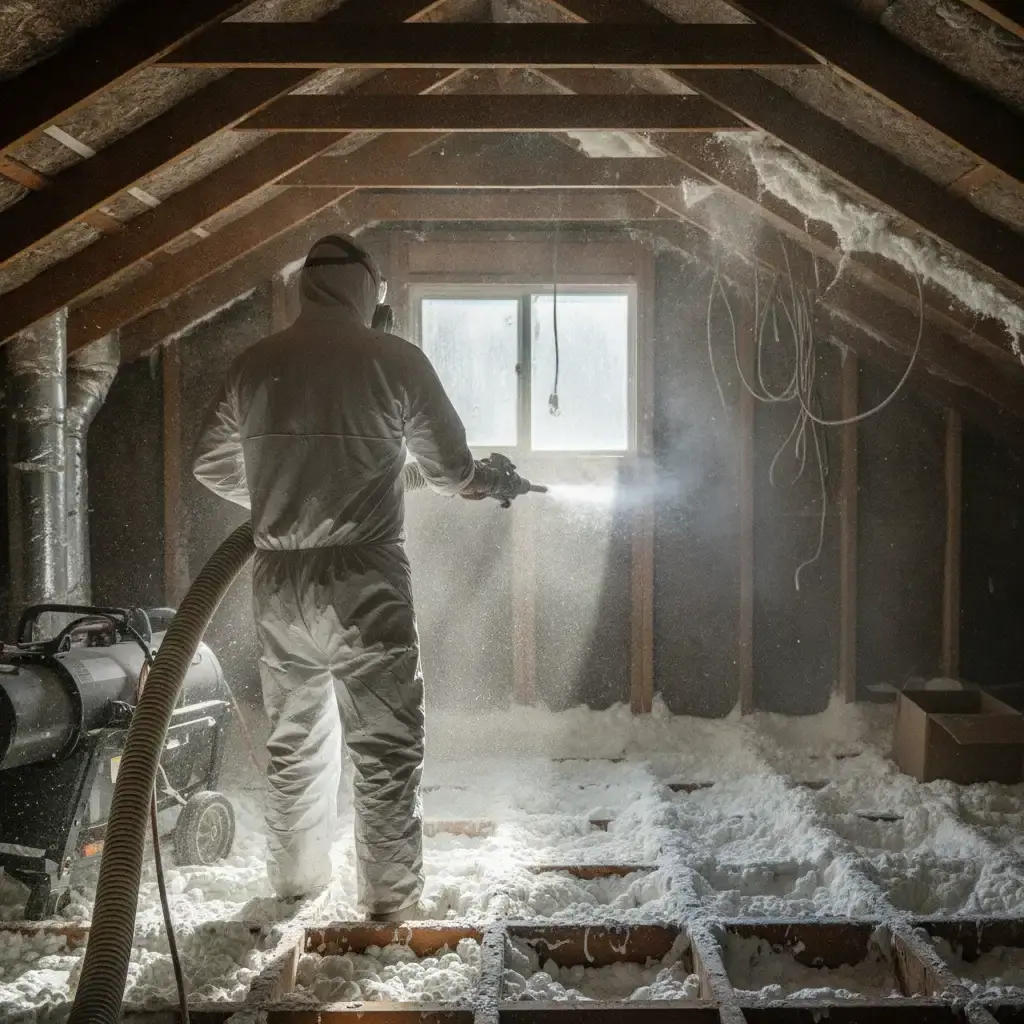
Air sealing is the process of identifying and closing gaps, cracks, and openings in a building’s envelope — the boundary between conditioned living space and the outdoors. These penetrations allow unconditioned air to infiltrate your home, forcing your HVAC system to work harder, driving up energy bills, and creating uncomfortable hot and cold spots throughout your living areas.
In San Diego, the combination of marine layer humidity, coastal salt air, and wide diurnal temperature swings creates unique pressures on building envelopes that homeowners in other climates simply don’t face. From the aging craftsman bungalows in North Park to the newer tract homes in Otay Mesa, every structure in the region benefits from professional air sealing tailored to local conditions.
Read moreShow less
At Clean Air Attic Insulation, we specialize in comprehensive air sealing services throughout San Diego County. Our team understands the specific construction styles, climate zones, and energy code requirements unique to this region, delivering results that improve comfort, reduce energy consumption, and protect your home year-round. Call us today at (858) 360-6973 to schedule your assessment.
Understanding Air Sealing and Its Role in Home Performance
Air sealing has evolved significantly over the past five decades. In the post-World War II building boom that shaped much of San Diego’s residential landscape, construction standards prioritized speed and affordability over energy efficiency. Homes were built with little attention to airtightness, and infiltration was often considered natural ventilation. It wasn’t until the energy crises of the 1970s — particularly the 1973 OPEC oil embargo — that building scientists began studying how uncontrolled air movement was robbing homes of energy and comfort.
Today, air sealing is recognized as the single most cost-effective home performance upgrade available. The U.S. Department of Energy estimates that air leakage accounts for 25 to 40 percent of a typical home’s heating and cooling losses. In practical terms, the cumulative gap area in an average unsealed house is equivalent to leaving a window open year-round.
Read moreShow less
Air sealing works by addressing every location where building materials meet and separate: top plates where walls meet the attic floor, around plumbing and electrical penetrations, at recessed light fixtures, around chimney chases, at duct connections, and along rim joists in crawl spaces. In California, Title 24 energy codes now mandate verified airtightness in new construction, measured by a blower door test that quantifies air changes per hour at 50 pascals of pressure (ACH50). Most older San Diego homes test at 8 to 15 ACH50, while modern energy-efficient standards target 3 ACH50 or below.
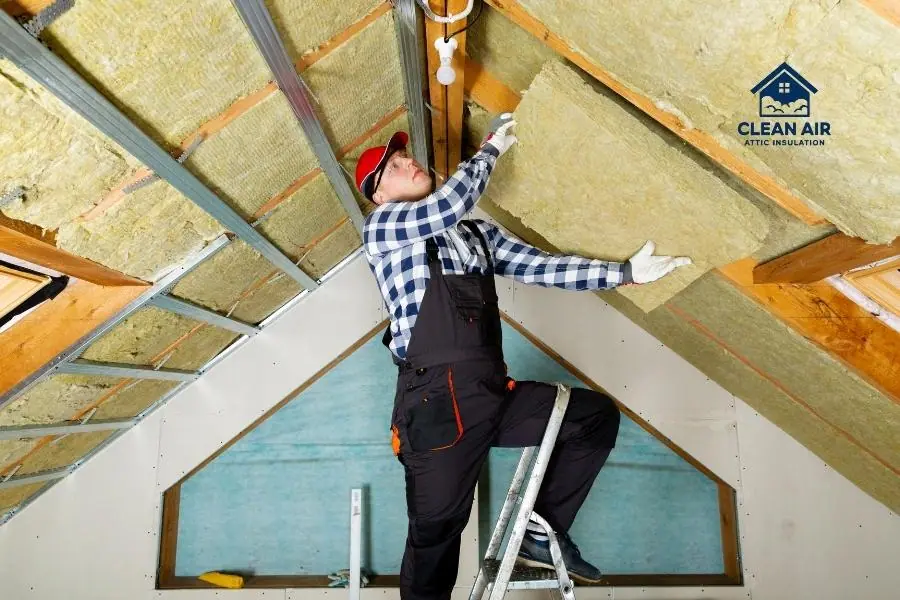
Air sealing is most effective when combined with insulation. Insulation slows heat transfer through conduction, while air sealing stops the bulk movement of air — the two work together synergistically. A well-insulated attic without air sealing can still allow conditioned air to escape freely through penetrations, making the insulation far less effective than its R-value rating suggests.
San Diego’s housing stock includes a wide variety of construction types: pre-war craftsman and Spanish Colonial Revival homes in Hillcrest and North Park, mid-century ranch-style homes in La Mesa and Spring Valley, 1980s and 1990s tract developments in Chula Vista and Bonita, and newer planned communities near Otay Mesa. Each era and style presents distinct air sealing challenges that require experienced, locally knowledgeable technicians to address properly.
Learn more about how air sealing pairs with attic insulation and spray foam insulation to maximize your home’s energy performance.
Why Air Sealing Is Especially Critical in San Diego, CA
The Marine Layer Effect
San Diego’s famous marine layer — the dense coastal fog that rolls in from the Pacific, particularly from May through September during what locals call “June Gloom” — creates persistent moisture in the coastal and near-coastal zones including Coronado, Imperial Beach, and National City. This morning fog infiltrates through unsealed gaps in building envelopes, depositing moisture inside wall cavities and attic spaces. Over time, this contributes to mold growth, wood rot, and degraded insulation. Homes within five miles of the coastline, such as those in Nestor and Otay Mesa West, can experience interior humidity levels 15 to 20 percent higher than inland communities when building envelopes are not properly sealed.
Diurnal Temperature Swings
While San Diego’s average temperatures are moderate, the daily swing between morning and afternoon temperatures is substantial. Inland communities like Spring Valley, La Mesa, and La Presa regularly experience diurnal temperature variations of 25 to 35°F during summer months. This cycling causes building materials — wood framing, drywall, stucco — to expand and contract repeatedly, widening existing gaps and creating new pathways for air infiltration over time. Older homes built before 1990 are particularly vulnerable because they were constructed before modern sealants and air barrier systems became standard practice.
Santa Ana Wind Events
San Diego experiences Santa Ana wind events, typically between October and April, when hot, dry, and powerful offshore winds can sustain speeds of 40 to 60 mph with gusts exceeding 80 mph in canyon-adjacent communities. The Santa Ana events of January 2021 and October 2017 caused widespread property damage across San Diego County, including structural movement in older homes that widened existing air gaps. During Santa Ana conditions, a poorly sealed home with a blower door rating of 10 ACH50 can experience infiltration rates equivalent to having multiple windows partially open simultaneously, overwhelming HVAC capacity and dramatically increasing energy consumption.
Wildfire Smoke Infiltration
San Diego County’s fire-prone communities — including areas near Spring Valley and Bonita, which were impacted during the 2007 Harris Fire — face a lesser-discussed consequence of poor air sealing: smoke infiltration during wildfire events. Unsealed homes allow particulate-laden air to penetrate freely, creating indoor air quality hazards. Properly air-sealed homes with mechanical ventilation provide a significantly safer environment during regional smoke events, which have become more frequent given the region’s documented climate trends.
High Cooling Demand in Inland Communities
While coastal San Diego rarely exceeds 80°F, inland communities like Chula Vista, Bonita, and La Mesa regularly reach 95 to 100°F during summer heat waves. San Diego Gas & Electric (SDG&E) data indicates that residential electricity demand in inland zip codes can spike 40 to 60 percent above baseline during heat events. In homes without proper air sealing, HVAC systems run continuously yet fail to maintain comfortable temperatures because conditioned air escapes as fast as it is produced. Air sealing directly reduces this demand, lowering both utility costs and strain on the regional grid during peak periods.
Explore how crawl space encapsulation and blow-in insulation work alongside air sealing in San Diego’s unique climate conditions.
Free, no-obligation estimates
Talk to Clean Air Attic Insulation
Tell us what you need and we’ll take it from there.
Signs You Need Air Sealing in Your San Diego Home
Comfort and Temperature Issues
- Rooms that remain stubbornly hot in summer despite running air conditioning, particularly second-floor bedrooms in Chula Vista tract homes
- Noticeable cold drafts near electrical outlets, baseboards, or recessed lighting during winter evenings
- Temperature differences of more than 3 to 4°F between rooms on the same floor
- HVAC system running continuously without reaching the thermostat set point
Energy and Utility Indicators
- SDG&E electricity bills that are consistently 20 to 40 percent higher than neighbors in comparable homes
- Unexplained spikes in energy consumption between May and September
- Failure to qualify for SDG&E energy efficiency rebate thresholds due to poor air leakage scores
Moisture and Air Quality Symptoms
- Musty odors in the attic or near interior walls, particularly in coastal neighborhoods like Imperial Beach or Coronado
- Condensation on interior window surfaces or at wall-ceiling junctions during marine layer mornings
- Visible dust accumulation along baseboards or at ceiling penetrations, indicating active infiltration pathways
- Allergy or asthma symptoms that worsen at home during wildfire season or high-pollen periods
Urgency Indicators
If you are seeing moisture stains on attic sheathing, evidence of pest entry through attic penetrations, or your home was built before 1980 and has never had an energy audit, these are signs requiring prompt professional evaluation. The older Spanish Colonial and craftsman-era homes in communities like National City and Lemon Grove are particularly likely to have significant, unaddressed air leakage issues.
Air Sealing Methods and Approaches We Use in San Diego
Two-Component Spray Polyurethane Foam (SPF)
The most versatile and effective sealing material for large and irregular gaps. Two-component SPF expands to fill complex geometries and creates an airtight, moisture-resistant barrier. We use this method extensively in San Diego’s stucco homes where wall penetrations have irregular profiles, and around HVAC duct boots in attic systems. SPF is also the preferred method for sealing top plates in open-web truss attics common in 1990s and 2000s tract homes throughout Chula Vista and Otay Mesa.
Caulk and Sealant Application
High-quality flexible sealants are appropriate for hairline cracks, drywall-to-framing gaps, and penetrations smaller than 1/4 inch. We select sealants rated for San Diego’s thermal cycling conditions — specifically products with elongation ratings above 300 percent to accommodate the expansion and contraction driven by the region’s diurnal temperature swings.
Rigid Foam Board Sealing
Cut-and-cobble rigid foam insulation panels are used to create airtight covers over large openings such as dropped soffits above kitchen cabinets, open-web chase walls, and attic access hatches. This method is particularly common in San Diego’s 1970s and 1980s ranch-style homes, which frequently feature dropped ceiling soffits that open directly into unconditioned attic space.
Weatherstripping and Door Sealing
Attic hatch covers and pull-down stair assemblies are significant infiltration points. We install compression-fit weatherstripping and rigid foam cover boxes to reduce these losses — a commonly overlooked but high-impact upgrade.
Intumescent Fire-Rated Sealing
In required locations — particularly around recessed lighting and plumbing penetrations through fire-rated assemblies — we use intumescent sealants and fire-rated foam to meet California Building Code requirements while maintaining airtightness.
Air Sealing Cost in San Diego, CA
Air sealing costs in San Diego vary based on home size, construction era, accessibility, and the extent of leakage identified during diagnostic testing. The following ranges reflect typical project costs in our local market:
- Basic attic air sealing (under 1,500 sq ft home): $800 – $1,500
- Standard air sealing for mid-size home (1,500–2,500 sq ft): $1,500 – $2,800
- Comprehensive air sealing for larger or complex homes (2,500+ sq ft): $2,800 – $5,000+
- Crawl space rim joist sealing (add-on): $400 – $900
- Combined air sealing + insulation upgrade packages: $2,500 – $7,500 depending on scope
Factors That Affect Your San Diego Air Sealing Cost
- Home age: Pre-1980 homes in Lemon Grove, National City, and La Presa typically require 30 to 50 percent more sealing labor due to greater penetration counts and irregular framing
- Attic accessibility: Low-pitch Spanish tile roofs common in Coronado and older Chula Vista neighborhoods limit attic clearance, increasing labor time
- Existing insulation condition: Insulation removal prior to sealing adds $500 – $1,500 depending on volume
- Number of HVAC penetrations: Homes with older ducted systems may have numerous unsealed duct boots and chase openings requiring individual attention
Read moreShow less
Available Incentives in San Diego
SDG&E’s Energy Upgrade California program offers rebates of $0.10 to $0.20 per square foot of air-sealed conditioned area for qualifying projects, and additional rebates are available when air sealing is combined with insulation upgrades. The federal Inflation Reduction Act (IRA) provides a tax credit of up to 30 percent (maximum $1,200 per year) for qualifying air sealing and insulation work through 2032. Our team can provide documentation to support both program applications.
Contact us at (858) 360-6973 for a detailed estimate specific to your home.

San Diego Neighborhoods We Serve
Chula Vista and Bonita
These communities feature a mix of 1970s ranch-style homes and 2000s planned development neighborhoods. Ranch-style homes in Bonita commonly have vented crawl spaces and low-slope rooflines with minimal attic depth, making proper air sealing critical but technically challenging. Newer Chula Vista developments often have poorly detailed top plates at interior partition walls — a deficiency that our diagnostic process consistently identifies.
National City and Lemon Grove
Two of San Diego County’s older incorporated cities, these communities contain significant housing stock from the 1920s through 1960s, including craftsman bungalows and early ranch homes. These structures typically have knob-and-tube electrical wiring areas, plaster over wood lathe walls, and numerous unsealed attic penetrations accumulated over decades of remodeling. They represent some of the highest air sealing opportunity — and impact — in the region.
Imperial Beach and Coronado
Coastal salt air accelerates the degradation of older sealants and caulks in these communities. Homes here require marine-grade sealing materials and more frequent maintenance than inland properties. The dense marine layer that settles over these communities from May through September makes moisture management through proper air sealing especially important.
Otay Mesa and San Ysidro
These border-adjacent communities experience some of the highest summer temperatures in San Diego County, with heat events regularly reaching 95 to 100°F. Air sealing in these neighborhoods delivers immediate, measurable comfort improvements and can reduce peak cooling costs by 15 to 25 percent.
We also serve Spring Valley, La Mesa, La Presa, Palm City, Egger Highlands, Otay Mesa West, Nestor, and surrounding communities throughout San Diego County.
Air Sealing Maintenance Tips for San Diego Homeowners
- Inspect attic access covers annually: San Diego’s temperature cycling causes attic hatch weatherstripping to compress and harden over time. Check the seal each spring before the June Gloom season begins and replace weatherstripping every 3 to 5 years.
- Check exterior caulk after Santa Ana events: Following major wind events (typically October through April), inspect the caulk at exterior wall penetrations — hose bibs, electrical conduits, and dryer vents — for cracking or separation caused by structural movement.
- Monitor crawl space vents in winter: Ensure crawl space vent screens remain intact to prevent pest entry that can displace or damage insulation and create new infiltration pathways.
- Service HVAC duct connections: Have your ductwork inspected every 3 to 5 years. Disconnected or deteriorating flex duct connections in the attic are a significant source of both air leakage and energy loss in San Diego’s warmer inland communities.
- Reseal around new penetrations: Any time plumbing, electrical, or cable work is performed, ensure contractors seal penetrations through the ceiling or attic floor to maintain the air barrier.
- Watch for pest damage: Rodents, Argentine ants (prevalent throughout San Diego County), and other pests can compromise sealed areas. Address any pest evidence promptly and have affected seal locations reinspected.
- Schedule a re-audit every 7 to 10 years: Building materials settle and shift, particularly in older homes, gradually opening new infiltration pathways that should be addressed periodically.
Why Choose Clean Air Attic Insulation for Air Sealing in San Diego?
Clean Air Attic Insulation is a locally focused team dedicated exclusively to insulation and air sealing services throughout San Diego County. We are not a generalist contractor who treats air sealing as an add-on — it is a core specialty, and our technicians receive ongoing training in building science principles, blower door diagnostics, and California Title 24 compliance requirements specific to Climate Zones 7 and 10.
We understand the construction patterns, building eras, and environmental challenges unique to San Diego’s diverse neighborhoods. From the historic homes of National City to the newer developments of Otay Mesa, we bring the right materials, tools, and local knowledge to every project.
Read moreShow less
Our diagnostic-first approach — using blower door testing and thermal imaging on every project — ensures we identify actual infiltration pathways rather than applying sealant randomly. This means your investment goes where it matters most, delivering maximum return in energy savings and comfort improvement.
We provide detailed written reports documenting pre- and post-project blower door measurements, giving you the documentation needed for SDG&E rebate applications and federal tax credit claims. Call us at (858) 360-6973 to schedule your air sealing consultation.
Learn more about our full range of services including insulation replacement and crawl space insulation.

FAQ
Frequently Asked Questions About Air Sealing in San Diego, CA
How much does air sealing cost in San Diego?
Air sealing costs in San Diego typically range from $800 to $5,000 or more depending on home size, age, and complexity. A standard single-family home of 1,500 to 2,500 square feet generally falls in the $1,500 to $2,800 range for attic-focused air sealing. Homes in older neighborhoods like National City or Lemon Grove with decades of accumulated penetrations may require additional labor. We provide free on-site estimates to give you an accurate number for your specific home.
How long does air sealing take?
A typical single-family home in San Diego can be air sealed in one to two days. Smaller homes may be completed in a single day, while larger or older homes with complex attic systems may require two full days. The blower door testing at the beginning and end of the project adds approximately two hours to the total timeline.
Is air sealing worth it in San Diego’s mild climate?
Absolutely. While San Diego’s coastal temperatures are moderate, inland communities routinely reach 95 to 100°F in summer, and all areas experience the persistent moisture infiltration of the marine layer. SDG&E customers who complete verified air sealing projects typically report 15 to 30 percent reductions in annual cooling costs. Combined with available rebates and the federal 30 percent tax credit, payback periods of 3 to 6 years are common in San Diego.
Can air sealing improve indoor air quality during wildfire events?
Yes. A properly sealed home significantly reduces the infiltration of outdoor smoke particulates during wildfire events — a real concern for San Diego County communities that have experienced fires like the 2007 Harris Fire and the 2003 Cedar Fire. When paired with a mechanical ventilation system and MERV-13 filtration, an air-sealed home can maintain substantially cleaner indoor air during regional smoke events.
Do I need air sealing if my home is newer construction?
New California construction built after 2014 is required to meet Title 24 airtightness standards, but quality of execution varies. Many 2000s and early 2010s homes in Chula Vista and Otay Mesa do not meet current standards and have significant air leakage. A blower door test is the only reliable way to know your home’s actual performance. We recommend testing any home more than 10 years old.
Will air sealing make my home stuffy?
When performed correctly, air sealing does not create stuffiness. California building codes require mechanical ventilation in homes that achieve good airtightness, ensuring controlled fresh air exchange. We evaluate your home’s ventilation system as part of our assessment and recommend appropriate solutions to maintain healthy indoor air quality alongside improved airtightness.
What is the difference between air sealing and insulation?
Insulation slows heat transfer through conduction — like a sweater keeping you warm. Air sealing stops the bulk movement of air through gaps and cracks — like a windbreaker blocking the wind. Both are necessary for a high-performing home. Insulation without air sealing allows conditioned air to escape freely, dramatically reducing the effective performance of even high R-value insulation materials. Learn more about attic insulation services we offer in San Diego.
Do you offer air sealing services in Coronado and Imperial Beach?
Yes. We serve the full San Diego County coastal zone including Coronado, Imperial Beach, National City, and Chula Vista, as well as inland communities like Spring Valley, La Mesa, La Presa, Lemon Grove, and San Ysidro. Coastal homes receive special attention to marine-grade sealant selection to withstand the salt air environment.
Schedule Your Air Sealing Assessment in San Diego Today
Don’t let conditioned air — and your energy dollars — escape through unsealed gaps in your home’s envelope. Whether you’re dealing with high SDG&E bills, uncomfortable rooms, moisture concerns from the marine layer, or smoke infiltration risk during fire season, Clean Air Attic Insulation has the local expertise and diagnostic tools to deliver real, measurable results.
We serve homeowners throughout San Diego, Chula Vista, Bonita, La Mesa, National City, Lemon Grove, Imperial Beach, Coronado, Spring Valley, and all surrounding communities.
Call us now at (858) 360-6973 to schedule your free diagnostic assessment. Our San Diego-based team is ready to help you achieve a more comfortable, efficient, and healthy home — backed by blower door documentation you can use for SDG&E rebates and federal tax credits.
Contact us today and take the first step toward a properly sealed, energy-efficient San Diego home.
Get in touch
Find insulation help near you
Request a free estimate online or give us a call — our team will follow up quickly.
- Call us(858) 360-6973
- Visit10140 Marconi Dr, San Diego, CA 92154
- HoursMon-Sun 07:00-19:00