
Wall Insulation in San Diego, CA
Energy-Saving Wall Insulation for San Diego, CA Homes — Licensed & Insured
Expert wall insulation in San Diego, CA. Clean Air Attic Insulation offers blown-in, spray foam & retrofit wall insulation. Free quotes. Call (858) 360-6973 today.
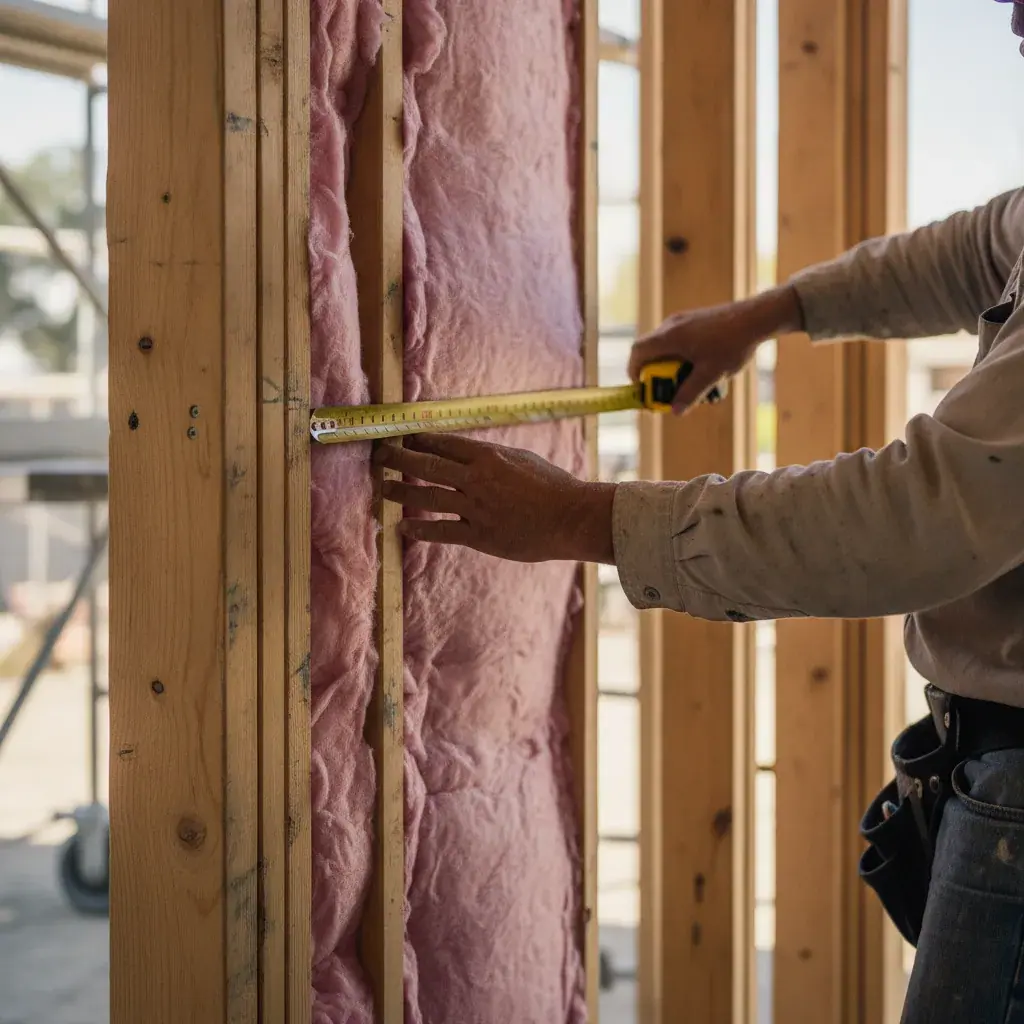
Wall insulation is the process of filling interior and exterior wall cavities with thermal and acoustic barrier materials to regulate indoor temperatures, reduce energy consumption, and improve overall comfort. In San Diego, CA, where coastal marine layers, canyon microclimates, and year-round mild-but-variable temperatures create unique thermal demands, proper wall insulation is not a luxury — it is a necessity for energy-efficient living.
At Clean Air Attic Insulation, we specialize in delivering precision wall insulation solutions tailored to San Diego’s distinctive building stock, climate zones, and neighborhood conditions. From older craftsman bungalows in established inland communities to modern stucco homes along the coast, our team understands the specific challenges local homeowners face. Whether you are dealing with drafty rooms, rising SDG&E bills, or walls that simply were never properly insulated during original construction, we are equipped to solve the problem efficiently and effectively.
Call us today at (858) 360-6973 to schedule your free wall insulation assessment.
Understanding Wall Insulation
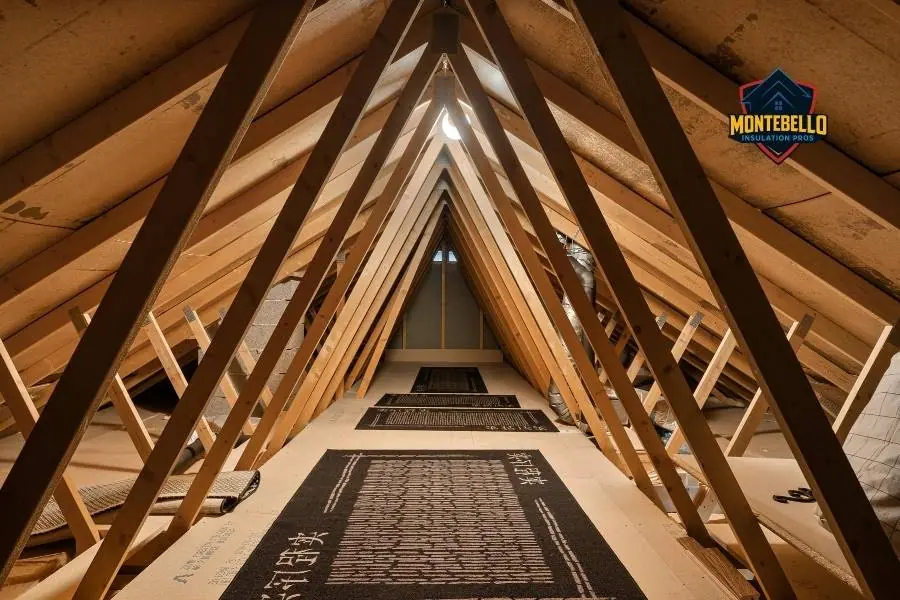
Wall insulation refers to any material installed within or against wall assemblies — including interior partition walls, exterior load-bearing walls, and garage walls — designed to slow the transfer of heat, cold, moisture, and sound between spaces. The concept of insulating walls dates back centuries, with early builders using straw, mud, and animal hair to buffer homes against the elements. Modern insulation science, however, has evolved dramatically since the mid-20th century, when fiberglass batts became the residential standard following widespread adoption after World War II-era housing booms.
In San Diego specifically, the post-war construction surge of the 1950s and 1960s produced tens of thousands of homes — particularly in communities like National City, Lemon Grove, and Spring Valley — built to the minimal insulation standards of that era. Many of these homes have walls with little to no cavity insulation, relying instead on the thermal mass of stucco or wood siding to buffer indoor temperatures. This was somewhat adequate when energy was cheap and air conditioning was rare, but today’s energy costs and climate expectations demand far better performance.
Read moreShow less
Wall insulation works through three mechanisms: conduction (slowing heat movement through solid materials), convection (reducing air circulation inside cavities), and radiation (reflecting radiant heat). The effectiveness of any insulation material is measured by its R-value — the resistance to heat flow. California’s Title 24 Energy Standards, which apply to San Diego construction, require a minimum R-13 for exterior walls in Climate Zone 7 (coastal San Diego) and R-15 to R-21 in Climate Zone 10 (inland San Diego areas like El Cajon and La Mesa).
Common building types in San Diego that benefit most from wall insulation upgrades include:
- Stucco wood-frame homes built between 1940 and 1980 with unfilled 2×4 wall cavities
- Older concrete block or masonry construction common in South Bay neighborhoods
- Mid-century ranch-style homes prevalent across Bonita, La Mesa, and Chula Vista
- Multi-family apartment buildings with shared wall assemblies lacking sound or thermal separation
- Modern homes where original insulation has settled, degraded, or was improperly installed
Understanding the type of construction your home represents is the essential first step in determining the right insulation approach — and it is where every Clean Air Attic Insulation assessment begins.
Why Wall Insulation Is Needed in San Diego, CA
San Diego’s Climate Zones and Temperature Swings
San Diego County spans multiple ASHRAE and California Title 24 climate zones. Coastal communities like Coronado and Imperial Beach sit in Climate Zone 7, where afternoon marine layer temperatures can drop to the low 60s°F even in July, while inland areas like Spring Valley, La Mesa, and National City sit in Climate Zone 10, where summer temperatures regularly exceed 95°F and September heat events can push temperatures past 105°F. Homes without adequate wall insulation experience dramatic indoor temperature swings — sometimes 15 to 20°F within a single afternoon — forcing HVAC systems to work far harder than necessary.
The Marine Layer and Moisture Infiltration
San Diego’s famous marine layer — the dense coastal fog that rolls in from the Pacific between May and September, a period locals call “June Gloom” — carries significant moisture. In neighborhoods like Nestor, Otay Mesa West, and San Ysidro, homes within 5 miles of the coast experience relative humidity levels that regularly exceed 80 percent during overnight and early morning hours. Without proper wall insulation and vapor management, this moisture infiltrates wall cavities, promotes mold growth, and degrades whatever insulation materials exist. Homes insulated with open-cell spray foam or properly vapor-retarded blown-in insulation are significantly better protected against this recurring seasonal threat.
Santa Ana Wind Events and Rapid Temperature Drops
Every fall, San Diego experiences Santa Ana wind conditions — periods of hot, dry offshore winds that push temperatures inland above 100°F, followed by rapid drops of 20 to 30°F within hours once the winds subside. These thermal shocks stress poorly insulated wall assemblies and dramatically increase heating and cooling loads. The October 2007 Witch Creek and Harris fires, along with the 2019 Saddle Ridge fire, are vivid reminders of how extreme these weather events can become. During Santa Ana seasons, homes with R-13 or greater wall insulation maintain interior stability far more effectively than uninsulated or under-insulated structures.
SDG&E Energy Costs
San Diego Gas & Electric consistently ranks among the most expensive utilities in the United States. As of 2024, SDG&E residential rates average over $0.45 per kilowatt-hour — more than double the national average. The U.S. Department of Energy estimates that inadequate wall insulation can account for up to 25 percent of a home’s total heat loss. For a typical San Diego home spending $200 to $300 monthly on electricity, that translates to $50 to $75 per month in avoidable energy costs — or $600 to $900 annually that could be saved with proper wall insulation.
Aging Housing Stock
An estimated 40 percent of San Diego’s single-family homes were built before 1975, predating California’s modern Title 24 energy codes. Many homes in La Presa, Palm City, and Egger Highlands still have original wall assemblies with either no insulation or deteriorated fiberglass batts that have lost 20 to 40 percent of their original R-value due to moisture absorption, settling, and age. These homes are prime candidates for wall insulation upgrades that can transform energy performance without requiring structural renovation.
Free, no-obligation estimates
Talk to Clean Air Attic Insulation
Tell us what you need and we’ll take it from there.
Signs You Need Wall Insulation in San Diego
Temperature and Comfort Issues
- Rooms that feel noticeably hotter or colder than the rest of the house, especially during San Diego’s inland heat events in August and September
- Exterior walls that feel warm to the touch during summer afternoons or cold during winter mornings
- Inconsistent temperatures between rooms on the same floor with no explanation
- HVAC system running continuously during mild weather without reaching the set temperature
Energy and Cost Indicators
- SDG&E bills that have increased 15 percent or more year-over-year without changes in usage habits
- Monthly electricity bills consistently above $250 for a home under 2,000 square feet
- Your home was built before 1978 and has never had insulation work performed
Physical and Structural Signs
- Visible gaps or cracks around electrical outlets on exterior walls — a common entry point for air infiltration
- Drafts felt near wall outlets, window frames, or where walls meet the floor
- Condensation or moisture staining appearing on interior wall surfaces during June Gloom season
- Musty odors suggesting mold growth within wall cavities
Urgency Indicators
If you notice moisture staining, mold odors, or visible mold growth on interior walls, treat the situation as urgent. Mold in wall cavities spreads rapidly in San Diego’s coastal humidity conditions and can pose serious health risks, particularly for residents with respiratory conditions.
Our process
Our Wall Insulation Process
- 01
Free In-Home Assessment (1–2 Hours)
Every project begins with a comprehensive on-site evaluation. Our technician inspects your home’s wall construction type, existing insulation status, moisture levels using a calibrated moisture meter, and any air leakage points. We identify climate zone classi
- 02
Customized Insulation Plan and Proposal (24–48 Hours)
Based on the assessment, we develop a written insulation plan specifying recommended R-values, insulation type, installation method, and projected energy savings. For San Diego coastal homes, we include vapor management recommendations. You receive a detailed
- 03
Material Preparation and Site Protection (Morning of Installation)
On installation day, our crew protects your floors, furniture, and surrounding surfaces with drop cloths and protective sheeting. For blow-in insulation projects, we pre-drill access holes in exterior siding or interior drywall following a precise pattern mapp
- 04
Insulation Installation (4–8 Hours Depending on Home Size)
Installation is performed using the method specified in your approved plan. Blow-in cellulose or fiberglass is injected into wall cavities under controlled pressure to achieve uniform density and coverage. Spray foam is applied in multiple passes to reach targ
- 05
Quality Verification and Density Testing
Upon completion, we verify installation quality using thermal imaging where applicable and conduct visual cavity checks to confirm uniform coverage. For blown-in insulation, we verify settled density against manufacturer specifications — an important step in S
- 06
Patch, Clean, and Restore (1–3 Hours)
All access holes are patched with matching drywall or siding material. Interior patches are textured to blend with surrounding surfaces. All work areas are cleaned thoroughly before our team departs.
- 07
Final Walkthrough and Documentation
We conduct a final walkthrough with the homeowner, explain completed work, and provide documentation of materials installed — including R-values achieved — for your records, energy rebate applications, and future home sale disclosures.
Wall Insulation Methods and Approaches
Blown-In Fiberglass Insulation
Ideal for existing homes with enclosed wall cavities, blown-in fiberglass is injected through small access holes drilled in siding or drywall. It achieves R-values of R-13 to R-15 in standard 2×4 wall cavities and is resistant to moisture absorption — making it well-suited for San Diego coastal homes in Coronado, Imperial Beach, and Nestor where marine layer humidity is a consistent concern. Learn more about our blow-in insulation services
Blown-In Cellulose Insulation
Made from recycled paper treated with borate fire retardants, cellulose blown-in insulation is an environmentally responsible option that achieves excellent air sealing alongside thermal performance. It performs well in the drier inland neighborhoods of Spring Valley, La Mesa, and Bonita where moisture concerns are lower. Cellulose achieves R-3.7 per inch, yielding approximately R-13 in a 3.5-inch cavity.
Spray Foam Insulation
Closed-cell spray foam delivers both superior R-value (R-6 to R-7 per inch) and a complete air and vapor barrier in a single application. It is the preferred solution for San Diego homes with chronic moisture infiltration, homes near the coast in Otay Mesa West and San Ysidro, or any wall assembly where air sealing is as important as thermal performance. Open-cell spray foam is used in interior applications requiring acoustic insulation. Explore our spray foam insulation options
Injection Foam Insulation
Specifically engineered for retrofit applications in existing walls, injection foam fills cavities completely without the pressure concerns associated with blown-in methods in older plaster-wall homes — common in pre-1960 San Diego construction in La Presa and Palm City. It provides R-4 to R-5 per inch with excellent air sealing properties.
Fiberglass Batt Replacement
When walls are open due to renovation, we install high-density fiberglass batts to achieve R-15 or R-21 in 2×4 and 2×6 cavities respectively. This method is cost-effective when combined with planned remodeling projects.
Wall Insulation Cost in San Diego, CA
Understanding the cost of wall insulation in San Diego requires accounting for home size, wall construction type, chosen insulation method, and access difficulty. Below are current typical price ranges for San Diego-area projects.
Typical Cost Ranges
- Blown-in fiberglass or cellulose (retrofit, existing home): $1.50 to $3.00 per square foot of wall area, or approximately $2,500 to $5,500 for a typical 1,500 sq ft San Diego home
- Closed-cell spray foam (open wall or new construction): $3.50 to $7.00 per square foot, or $4,500 to $10,000 for a full home application
- Open-cell spray foam: $1.50 to $3.50 per square foot of wall area
- Injection foam (retrofit): $2.00 to $4.50 per square foot
- Fiberglass batt replacement (open walls): $0.50 to $1.50 per square foot plus labor
Read moreShow less
Factors Affecting San Diego Wall Insulation Costs
- Home age and wall access: Pre-1960 homes with plaster walls or irregular stud spacing require more labor, adding 15 to 25 percent to base costs
- Existing insulation removal: If degraded insulation must be removed before new material is installed, add $1.00 to $2.00 per square foot Learn about our insulation removal services
- Moisture remediation: Mold or moisture damage discovered during assessment adds remediation costs before insulation work can begin
- SDG&E rebates: San Diego Gas & Electric offers energy efficiency rebates through its Energy Upgrade California program that can offset $500 to $2,000 of qualifying insulation project costs
Call (858) 360-6973 for a free, no-obligation quote specific to your home and neighborhood.
Neighborhoods We Serve in San Diego
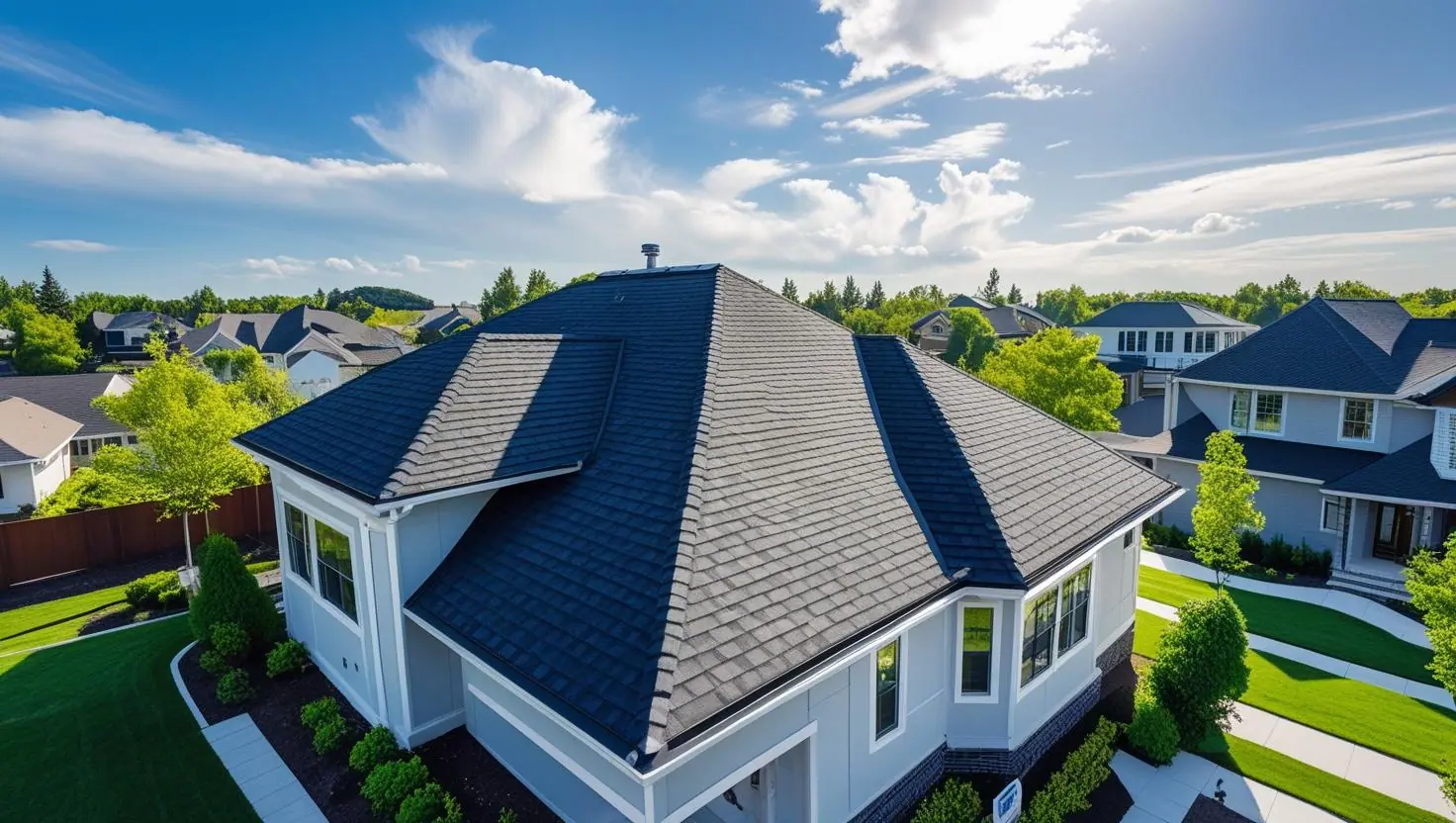
Chula Vista and Bonita
These South Bay communities feature significant housing stock from the 1960s through 1990s — a mix of stucco ranch homes, split-levels, and newer planned community builds. Older Chula Vista homes frequently have under-insulated or completely empty exterior wall cavities. Inland positioning means summer temperatures in the low-to-mid 90s°F are common, making wall insulation particularly impactful for energy savings.
National City and La Mesa
Both communities feature dense concentrations of pre-1970 construction with minimal original insulation. La Mesa’s canyon-adjacent neighborhoods experience notable diurnal temperature swings — sometimes exceeding 25°F between nighttime lows and afternoon highs — that dramatically amplify the value of properly insulated walls.
San Ysidro and Otay Mesa
Located at San Diego’s southern border, these communities include a mix of older wood-frame homes and newer stucco construction. Summer heat in Otay Mesa regularly exceeds 95°F, and border proximity means many homes were built to older, less stringent code standards requiring modern insulation retrofits.
Coronado and Imperial Beach
Coastal location means marine layer moisture is a daily reality eight months per year. Wall insulation in these neighborhoods must be carefully selected for moisture resistance, with closed-cell spray foam or vapor-retarded blown-in products strongly preferred.
We also proudly serve: San Diego, Egger Highlands, Otay Mesa West, Nestor, La Presa, Lemon Grove, Spring Valley, and Palm City. View all service areas
Wall Insulation Maintenance Tips for San Diego Homeowners
- Annual moisture checks during June Gloom season: Each May, inspect interior walls in coastal-facing rooms for condensation, bubbling paint, or soft drywall — early indicators of moisture infiltration into wall cavities.
- Seal electrical outlets on exterior walls: Install foam gaskets behind outlet covers on exterior walls annually. These are among the most common air leakage points in San Diego’s wood-frame homes.
- Inspect exterior caulking after Santa Ana events: High-velocity Santa Ana winds crack caulking around window frames and wall penetrations. Re-caulk damaged areas promptly to prevent air and moisture infiltration.
- Monitor for pest activity: Rats and mice common in San Diego canyon-adjacent neighborhoods damage wall insulation. Look for signs of rodent activity in attic or crawl space areas connected to wall cavities. Learn about insulation replacement after pest damage
- Check for settling in blow-in insulation: Every five years, have a professional verify that blown-in insulation in wall cavities has not settled beyond acceptable density — particularly in older San Diego homes with irregular stud spacing.
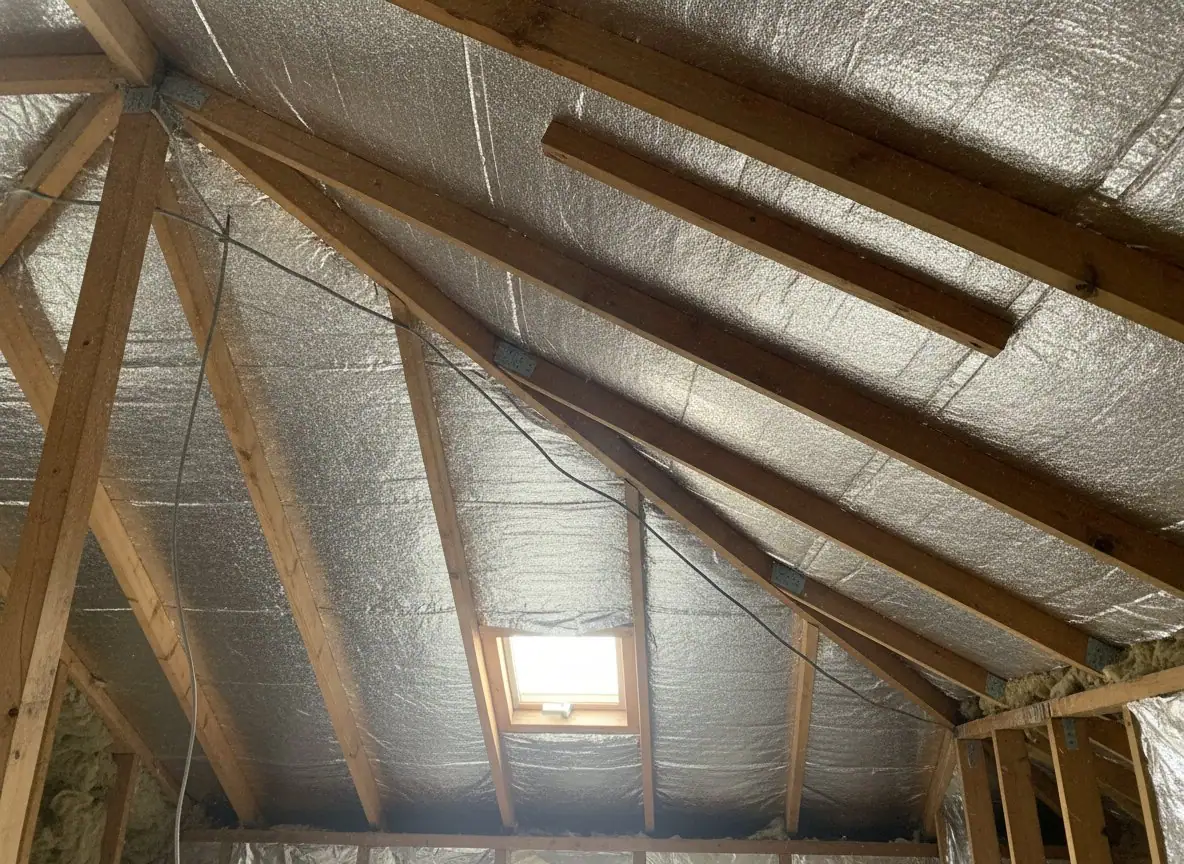
- Maintain proper attic insulation levels: Wall insulation works most effectively when attic insulation is also performing correctly. Inadequate attic insulation forces heat downward into walls. Explore our attic insulation services
- Review SDG&E bills seasonally: A sudden increase in summer or winter energy costs is often the first measurable sign that wall insulation has degraded or air sealing has failed.
Why Choose Clean Air Attic Insulation for Wall Insulation in San Diego
At Clean Air Attic Insulation, we are not a national chain applying one-size-fits-all solutions to San Diego homes. We are a locally focused insulation company with deep knowledge of the specific building types, climate zones, moisture challenges, and energy code requirements that define San Diego’s residential landscape.
Our team understands the difference between insulating a 1950s stucco bungalow in National City versus a modern planned community home in Chula Vista — and we adapt our approach accordingly. Every technician we send to your home is trained in California Title 24 compliance requirements, ensuring that our work meets or exceeds state energy standards and qualifies for applicable SDG&E rebates.
Read moreShow less
We offer the full spectrum of insulation services under one roof: wall insulation, attic insulation, spray foam insulation, blow-in insulation, crawl space insulation, crawl space encapsulation, insulation removal, and insulation replacement. This means you get a coordinated approach to your home’s entire thermal envelope — not piecemeal fixes from multiple contractors.
Call (858) 360-6973 to speak with a San Diego wall insulation specialist today.
FAQ
Frequently Asked Questions: Wall Insulation in San Diego, CA
How much does wall insulation cost in San Diego?
Wall insulation costs in San Diego typically range from $1.50 to $7.00 per square foot depending on the insulation method chosen. A retrofit blown-in project for a typical 1,500 sq ft San Diego home generally runs $2,500 to $5,500, while spray foam applications range from $4,500 to $10,000 or more. SDG&E rebates through the Energy Upgrade California program can reduce your net cost by $500 to $2,000 on qualifying projects. Contact us at (858) 360-6973 for a free, accurate quote.
Do San Diego homes really need wall insulation given the mild climate?
Yes — and this is one of the most common misconceptions we encounter. While San Diego’s climate is mild compared to colder regions, inland neighborhoods regularly experience temperatures above 95°F in summer, Santa Ana wind heat events push temperatures past 100°F in fall, and coastal marine layer humidity creates moisture challenges. SDG&E’s high electricity rates — among the highest in the U.S. at over $0.45/kWh — mean that even modest energy waste carries significant financial consequences.
How long does wall insulation installation take?
A typical retrofit wall insulation project for a single-family San Diego home takes one to two days. The assessment and proposal phase adds one to two days prior to scheduling. Most homeowners can remain in the home during installation, though some rooms may need to be temporarily vacated depending on the method used.
Can wall insulation be added to existing walls without tearing out drywall?
Yes. Blown-in insulation (fiberglass or cellulose) and injection foam can both be installed through small holes drilled in exterior siding or interior drywall. Holes are typically 1.5 to 2 inches in diameter and are patched after installation. This retrofit approach makes wall insulation accessible to homeowners in existing San Diego homes without requiring full wall demolition.
What R-value do San Diego walls need to meet California Title 24?
California Title 24 requires a minimum R-13 for exterior walls in San Diego’s coastal Climate Zone 7, and R-15 to R-21 in inland Climate Zone 10 areas like La Mesa and Spring Valley. Older homes were built under different standards and frequently fall significantly short of these values. Our team ensures all work meets current code requirements, which is important for resale, permitting, and SDG&E rebate eligibility.
Is wall insulation near San Diego’s coast different from inland installation?
Yes, significantly. Coastal communities like Coronado, Imperial Beach, and Nestor require moisture-resistant insulation materials and vapor management strategies due to the high relative humidity brought by the marine layer. In these areas, we strongly favor closed-cell spray foam or vapor-retarded blown-in products over standard cellulose, which can absorb moisture in high-humidity coastal environments.
Will wall insulation help reduce noise as well as temperature?
Yes. Dense-pack blown-in insulation and open-cell spray foam both provide meaningful acoustic insulation in addition to thermal performance. For homeowners near San Diego’s busy corridors — including homes adjacent to Interstate 805, Interstate 5, or the trolley lines in National City and Chula Vista — acoustic wall insulation can meaningfully reduce interior noise levels.
How do I know if my San Diego home’s existing wall insulation needs replacement?
Key indicators include rising SDG&E bills without usage changes, walls that feel warm or cold to the touch, drafts near outlets on exterior walls, and any home built before 1978 that has never had insulation work performed. A professional thermal assessment — which we provide free of charge — is the definitive way to determine your current insulation status and what improvement is needed. Learn more about insulation replacement
Get Your Free Wall Insulation Quote in San Diego Today
Whether you are tired of high SDG&E bills, dealing with uncomfortable rooms, or simply know your home needs updated insulation, Clean Air Attic Insulation is ready to help. We serve homeowners across San Diego, Chula Vista, National City, La Mesa, Bonita, Coronado, Imperial Beach, Spring Valley, Lemon Grove, San Ysidro, Otay Mesa, and surrounding communities.
Our wall insulation experts will assess your home at no cost, recommend the right solution for your specific building type and climate zone, and provide a transparent written quote — no pressure, no surprises.
Call us now at (858) 360-6973 or reach out through our website to schedule your free in-home wall insulation assessment. Comfortable, energy-efficient living in San Diego starts with the walls around you — let us help you get there.
Get in touch
Find insulation help near you
Request a free estimate online or give us a call — our team will follow up quickly.
- Call us(858) 360-6973
- Visit10140 Marconi Dr, San Diego, CA 92154
- HoursMon-Sun 07:00-19:00