Blown-In Attic Insulation in San Diego, CA
Energy-Saving Blown-In Attic Insulation for San Diego, CA Homes — Licensed & Insured
Get expert blown-in attic insulation in San Diego, CA. Clean Air Attic serves Chula Vista, National City, La Mesa & more. Call (858) 360-6973 for a free estimate.
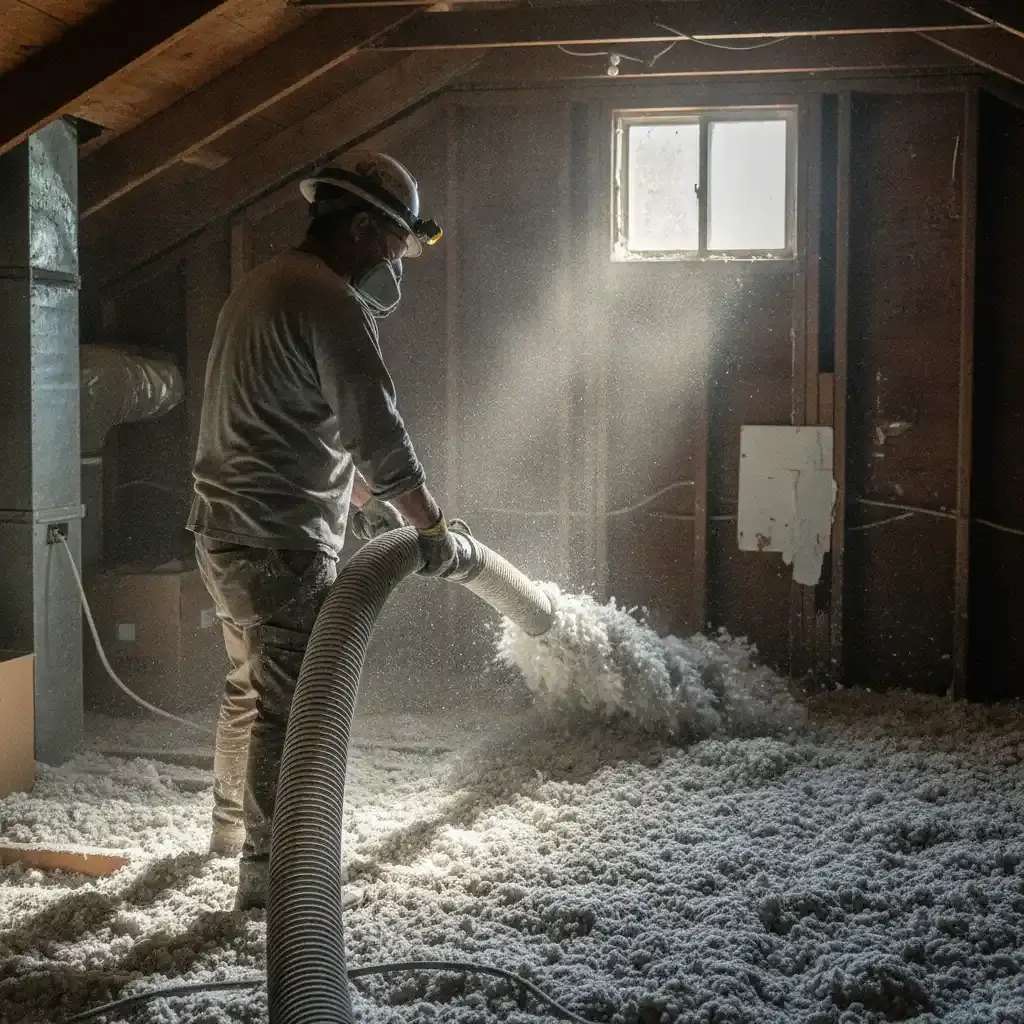
Blown-in attic insulation is a method of installing loose-fill insulating material — typically fiberglass or cellulose — directly into your attic space using specialized blowing equipment. The result is a seamless, gap-free thermal barrier that dramatically reduces heat transfer between your living spaces and the outdoors. For San Diego homeowners, this service is not just a comfort upgrade — it is an energy-efficiency necessity shaped by the region’s coastal marine layer, inland heat zones, and wide daily temperature swings that few other California cities experience.
At Clean Air Attic Insulation, we specialize in blown-in attic insulation solutions tailored specifically to San Diego’s microclimates, building stock, and energy codes. Whether your home sits near the ocean in Coronado or further inland in Spring Valley, our team delivers precise, code-compliant installations that lower energy bills and improve indoor comfort year-round. Call us today at (858) 360-6973 to schedule your free attic assessment.
Understanding Blown-In Attic Insulation
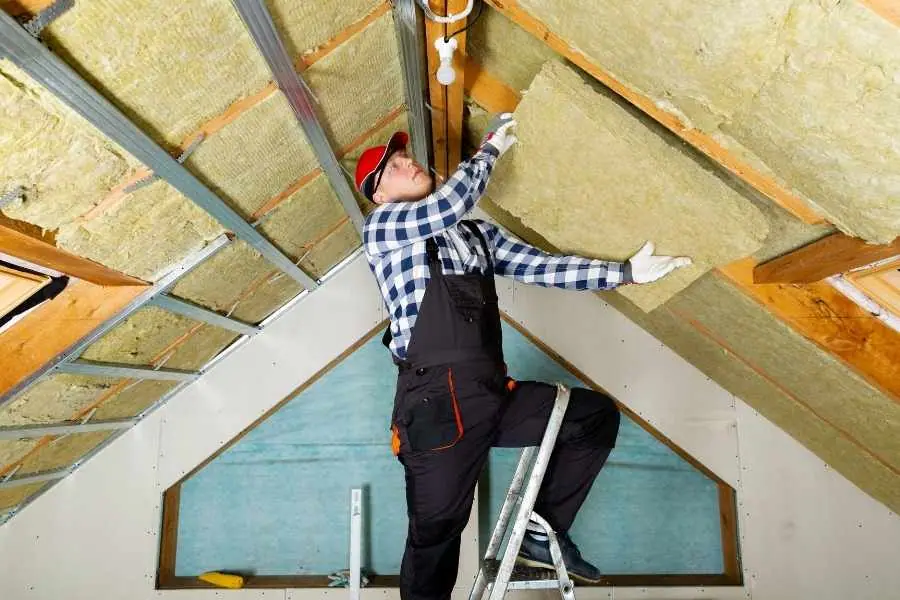
Blown-in attic insulation — also called loose-fill insulation — has been used in American homes since the mid-20th century, gaining widespread popularity in the 1970s following the oil embargo when energy conservation became a national priority. The process involves using a large blowing machine to propel loose insulating particles through a flexible hose and into the attic cavity. The material fills every corner, crevice, and irregular joist bay with minimal disruption to the existing structure.
The two most common materials used in blown-in applications are fiberglass and cellulose. Fiberglass blown-in insulation consists of fine glass fibers that resist moisture and do not settle significantly over time. Cellulose, made from recycled paper treated with borate for fire resistance, offers excellent thermal performance and is considered one of the more environmentally responsible options available. Both materials are measured by their R-value — a rating of thermal resistance — with higher numbers indicating better insulating performance.
Read moreShow less
California’s Title 24 Energy Code, which governs building efficiency standards statewide, requires a minimum attic insulation R-value of R-38 for most residential construction in Climate Zone 7, which covers coastal San Diego. Homes further inland toward El Cajon and La Mesa may fall under Climate Zone 10, where R-38 to R-49 is recommended. Many older San Diego homes — particularly those built before 1980 in neighborhoods like National City, Lemon Grove, and La Presa — were constructed with far less insulation than modern standards require, or with insulation that has degraded significantly over decades.
San Diego’s housing stock includes a wide variety of building types that benefit from blown-in insulation: post-war bungalows from the 1940s and 1950s in Chula Vista, ranch-style homes from the 1960s in Bonita, and two-story tract homes from the 1980s and 1990s in Otay Mesa West. Each of these building types presents unique attic configurations that blown-in installation handles exceptionally well due to its ability to conform to irregular shapes without requiring major structural modification.
Why Blown-In Attic Insulation Is Needed in San Diego, CA
The Marine Layer and Coastal Humidity
The infamous San Diego marine layer — a dense, low-lying fog that rolls in from the Pacific Ocean — affects coastal communities like Coronado, Imperial Beach, and Nestor nearly year-round, with peak intensity from May through August during what locals call “June Gloom.” This marine layer introduces persistent humidity that can infiltrate poorly insulated attics, causing cellulose insulation to compress and lose R-value, and encouraging mold growth in attic sheathing. Relative humidity in coastal San Diego regularly ranges from 60% to 85% during morning hours, creating moisture conditions that demand insulation products and installation techniques designed for vapor management.
Inland Heat Zones and the Urban Heat Island Effect
Move just 10 to 15 miles east of the coast and San Diego’s climate changes dramatically. Communities like Spring Valley, La Mesa, and Lemon Grove regularly see summer temperatures exceeding 95°F to 105°F during inland heat events, while coastal neighborhoods remain in the 70s. The urban heat island effect compounds this problem — dense pavement, rooftop materials, and reduced vegetation in communities like National City and Otay Mesa can push attic temperatures to 140°F or higher on summer afternoons. Without adequate blown-in insulation, this extreme heat radiates directly into living spaces, forcing air conditioners to work continuously and driving electricity bills to unsustainable levels.
Santa Ana Wind Events
San Diego experiences powerful Santa Ana wind events each fall and winter, with notable events in October and November being the most intense. During these events, dry, hot offshore winds can push temperatures into the 80s and 90s°F even in December, creating rapid thermal shifts that stress both building envelopes and HVAC systems. Attics with inadequate insulation allow this heat to penetrate quickly and then hold it overnight, extending discomfort well beyond the wind event itself.
Aging Housing Stock and Degraded Insulation
A significant portion of San Diego’s residential housing was built between 1945 and 1985, before modern energy codes were established. In neighborhoods like San Ysidro and Egger Highlands, many homes were originally insulated with materials that have now compressed, shifted, or become contaminated by rodent activity. Studies suggest that insulation degraded by rodent nesting can lose up to 40% of its effective R-value, leaving families exposed to the full force of San Diego’s thermal extremes.
Free, no-obligation estimates
Talk to Clean Air Attic Insulation
Tell us what you need and we’ll take it from there.
Signs You Need Blown-In Attic Insulation in San Diego
Energy and Comfort Indicators
- Monthly SDG&E electricity bills that are consistently 20–40% higher than comparable homes in your neighborhood
- Rooms on the top floor that feel noticeably hotter than lower-level rooms during summer afternoons
- Air conditioning running almost continuously during inland heat events without achieving target temperatures
- Cold drafts near ceiling fixtures or recessed lighting during winter nights in inland communities like La Mesa
Visible and Physical Warning Signs
- Attic insulation depth below 10 inches (indicating R-value below the recommended R-38 minimum for San Diego)
- Visible gaps, bare joists, or uneven coverage when you peer into the attic space
- Insulation that appears flattened, discolored, or contaminated with debris, rodent droppings, or dark staining
- Water stains on attic sheathing or insulation, particularly in homes near the coast in Imperial Beach or Nestor
Urgency Indicators
- Evidence of active rodent activity in the attic — insulation containing nesting material must be removed and replaced promptly
- Musty or stale odors entering living spaces from the ceiling, suggesting mold growth in compressed or damp insulation
- Home was built before 1980 and has never had an insulation upgrade
Blown-In Insulation Methods and Approaches
Dry Blown-In Fiberglass
Fiberglass loose-fill is the preferred choice for attics with existing moisture challenges, particularly in homes along the San Diego coast in communities like Coronado and Imperial Beach. Fiberglass does not absorb moisture, resists mold growth, and maintains its R-value even in humid conditions. It is ideal for attics with irregular joist spacing and difficult-to-reach corners. Typical installed R-value per inch is approximately R-2.2 to R-2.7.
Blown-In Cellulose
Cellulose loose-fill, made from recycled newsprint treated with borate fire retardant, achieves approximately R-3.2 to R-3.8 per inch — making it the more space-efficient option for attics with limited vertical clearance. It is an excellent choice for inland San Diego homes in Spring Valley, La Mesa, and Bonita where thermal performance is the primary concern. Cellulose also provides modest sound-dampening benefits.
Stabilized or Wet-Spray Blown-In Cellulose
For open-cavity applications or situations where settling is a concern, we can apply cellulose in a lightly moistened form that adheres more firmly and resists displacement from Santa Ana wind pressure entering through attic vents.
Combined Spray Foam and Blown-In Systems
For maximum performance in high-heat inland zones, we offer hybrid systems that pair a 1–2 inch layer of closed-cell spray foam at the attic floor for air sealing and vapor control, topped with blown-in insulation to achieve target R-values. Learn more about spray foam insulation options
Blown-In Attic Insulation Cost in San Diego, CA
Understanding the cost of blown-in attic insulation in San Diego helps homeowners plan their investment and evaluate quotes accurately. Pricing in the San Diego market reflects local labor rates, material costs, and the specific demands of the region’s building stock.
Typical Price Ranges
- Basic blown-in installation (existing insulation remains, top-up to R-38): $1.50–$2.50 per square foot
- Full attic blown-in installation (bare or newly cleared attic): $2.50–$4.00 per square foot
- Average 1,500 sq ft attic — top-up installation: $2,250–$3,750
- Average 1,500 sq ft attic — full installation: $3,750–$6,000
- Insulation removal prior to new installation: $1.00–$2.00 per square foot additional
Read moreShow less
Factors That Affect Your Cost in San Diego
- Attic accessibility: Homes with low-pitch roofs common in mid-century Chula Vista and National City neighborhoods require more labor time
- Existing contamination: Rodent-contaminated insulation in older San Ysidro or La Presa homes increases removal costs
- Target R-value: Inland homes in Climate Zone 10 may require R-49, adding 20–30% more material
- Air sealing complexity: Homes with many recessed lights, complex ductwork, or older knob-and-tube wiring require more prep work
- Material choice: Cellulose is typically 10–15% less expensive than fiberglass for equivalent R-value
Available Rebates
San Diego Gas & Electric (SDG&E) offers rebates through the Energy Upgrade California program for qualifying insulation upgrades. Rebates typically range from $0.10 to $0.25 per square foot depending on the scope of the upgrade. Call us at (858) 360-6973 for current rebate availability.

Neighborhoods We Serve in the San Diego Area
Chula Vista and Bonita
These communities feature a mix of 1960s ranch homes and newer 1990s–2000s tract developments. Older Chula Vista homes frequently have only R-11 to R-19 of degraded batt insulation, making blown-in top-ups a high-impact upgrade. Bonita’s hillside properties often have irregular attic configurations well-suited to blown-in methods.
National City and La Mesa
Some of the oldest housing stock in the South Bay region is found here, with many homes dating to the 1940s and 1950s. These properties frequently have original fiberglass batts that have settled and contamination from decades of rodent activity requiring full removal before new blown-in installation. Learn about our insulation removal services
Otay Mesa and San Ysidro
Located at the southern edge of San Diego near the US-Mexico border, these communities experience significant heat gain during summer months and are subject to inland climate zone requirements. Many homes in this corridor are 1980s–1990s construction with original insulation well below current R-38 standards.
Imperial Beach and Coronado
Coastal proximity makes moisture management critical in these communities. We select moisture-resistant fiberglass blown-in products and ensure proper ventilation baffling to prevent the humidity-driven insulation degradation common in bayside and oceanfront homes.
Attic Insulation Maintenance Tips for San Diego Homeowners
Blown-in insulation is a long-term investment that rewards proactive maintenance. Follow these San Diego-specific tips to protect your attic insulation and maximize its performance.
- Inspect attic vents annually before June Gloom season to ensure soffit and ridge vents are clear of debris, maintaining the airflow that protects your insulation from moisture buildup.
- Check for rodent entry points each fall before Santa Ana season, when rats and mice seek warm shelter. Steel wool and hardware cloth at eave gaps prevents the nesting that destroys insulation.
- Monitor for roof leaks after winter rain events — San Diego’s infrequent but intense atmospheric river storms (most recently in January 2024) can introduce water that saturates and compresses blown-in insulation rapidly.
- Avoid storing heavy items on attic flooring that might compress insulation below joists, reducing effective R-value in the areas where you walk or stack boxes.
- Check insulation depth every 7–10 years — cellulose can settle 10–15% over time, potentially dropping below code-minimum depth.
- Ensure attic hatch covers are insulated and weather-stripped — an uninsulated hatch is one of the most common energy loss points in San Diego homes.
- Schedule a professional inspection if you notice unexplained increases in your SDG&E bill, particularly heading into summer.
Why Choose Clean Air Attic Insulation in San Diego
When you choose Clean Air Attic Insulation, you are working with a team that lives and works in the San Diego region and understands the nuanced differences between insulating a coastal bungalow in Imperial Beach and a hillside home in Spring Valley. Our technicians are trained in California Title 24 Energy Code compliance, ensuring your installation meets current standards and qualifies for available SDG&E rebates.
We use professional-grade blowing equipment calibrated to achieve consistent, verified insulation depth — not the rental-grade machines used by some contractors. Our multi-step process begins with thorough inspection and air sealing before a single pound of insulation is installed, because proper air sealing is what separates a truly effective installation from a superficial one.
Read moreShow less
We serve the full Greater San Diego area including San Ysidro, Palm City, Otay Mesa, Egger Highlands, Otay Mesa West, Nestor, Bonita, Chula Vista, Coronado, Imperial Beach, La Mesa, La Presa, Lemon Grove, National City, and Spring Valley. Call us at (858) 360-6973 to schedule your free, no-obligation attic inspection today. Contact us to get started
FAQ
Frequently Asked Questions About Blown-In Attic Insulation in San Diego
How much does blown-in attic insulation cost in San Diego?
Most San Diego homeowners pay between $2,250 and $6,000 for blown-in attic insulation, depending on attic size, current insulation condition, and whether removal is required. Basic top-up installations on a 1,500 sq ft attic typically run $2,250–$3,750, while full installations on cleared attics range from $3,750–$6,000. SDG&E rebates may offset a portion of this cost.
How long does blown-in attic insulation installation take?
For most San Diego homes, the installation itself takes one full day. Smaller attics or straightforward top-up installations may be completed in half a day. If insulation removal is required — common in older National City, San Ysidro, or La Presa homes — add an additional half to full day depending on the level of contamination.
What R-value do I need for my San Diego home?
California’s Title 24 Energy Code requires a minimum of R-38 for residential attics in Climate Zone 7, which covers most coastal San Diego communities. Homes in inland areas such as Spring Valley, La Mesa, and Lemon Grove that fall under Climate Zone 10 should target R-38 to R-49 for optimal performance. We determine your specific requirement during the free inspection.
Is blown-in insulation better than batt insulation for San Diego attics?
In most cases, yes. San Diego’s attic spaces — particularly in older post-war homes — have irregular joist spacing, numerous penetrations, and low-clearance areas that blown-in insulation fills completely without gaps. Batt insulation, by contrast, leaves thermal bridging around joists and is prone to misinstallation. Blown-in also handles the irregular shapes of hillside homes in Bonita and Chula Vista more effectively.
Will blown-in insulation help with the heat in inland San Diego communities?
Absolutely. Communities like Spring Valley and La Mesa regularly experience attic temperatures exceeding 140°F on summer afternoons. Proper R-38 to R-49 blown-in insulation can reduce heat transfer into living spaces by up to 40%, dramatically reducing air conditioning load and keeping top-floor rooms comfortable even during inland heat events.
Does blown-in insulation prevent moisture problems in coastal San Diego homes?
When installed correctly with proper ventilation baffling and air sealing, blown-in insulation — particularly fiberglass loose-fill — does not trap moisture and actually supports proper attic ventilation. However, it is important to address any existing roof leaks or ventilation deficiencies before installation, as these are the true sources of moisture problems in coastal communities like Coronado and Imperial Beach.
Can I qualify for SDG&E rebates for attic insulation in San Diego?
Yes. San Diego Gas & Electric offers rebates through the Energy Upgrade California program for qualifying insulation upgrades. Eligibility depends on the scope of the project and current insulation levels. We assist all customers with rebate documentation as part of our service.
How do I know if my San Diego home needs insulation removal before new installation?
Insulation removal is typically required when existing material is contaminated by rodent activity, saturated with water, or infested with mold. During our free inspection, we assess the condition of your current insulation and provide a clear recommendation. Many older homes in San Ysidro, Egger Highlands, and La Presa require removal before effective new installation can proceed. Learn more about our insulation removal services
Get a Free Blown-In Attic Insulation Estimate in San Diego Today
Whether you are dealing with high SDG&E bills, uncomfortable upstairs rooms during San Diego’s inland heat events, or aging insulation in an older South Bay home, Clean Air Attic Insulation is ready to help. Our team serves homeowners throughout San Diego, Chula Vista, National City, Imperial Beach, Spring Valley, La Mesa, Bonita, Coronado, and all surrounding communities.
Take the first step toward a more comfortable, energy-efficient home. Call us at (858) 360-6973 to schedule your free, no-obligation attic inspection and get a detailed written estimate. Our technicians are familiar with every neighborhood in the Greater San Diego area and will provide recommendations tailored to your home’s specific climate zone, building type, and insulation history.
Schedule Your Free Attic Inspection Now
Get in touch
Find insulation help near you
Request a free estimate online or give us a call — our team will follow up quickly.
- Call us(858) 360-6973
- Visit10140 Marconi Dr, San Diego, CA 92154
- HoursMon-Sun 07:00-19:00